

Milk, nonfat, fluid, with added vitamin A and vitamin D (fat free or skim)
Whole food · Dairy and Egg Products
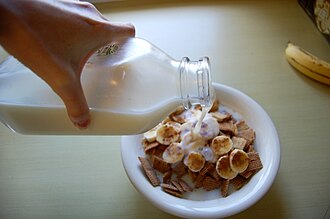
Photo: Wikipedia
Skim milk is a water-based, fat-free dairy liquid with a clean, slightly sweet, and mildly chalky taste. Its texture is thin and watery, lacking the creaminess of whole milk, and it provides a significant protein boost with minimal calories. It is fortified with vitamins A and D, making it a nutrient-dense, low-fat option for hydration and nutrition.
Calorie split: 40% protein · 58% carbs · 2% fat
↓ Full nutrition💚 Why it's loved
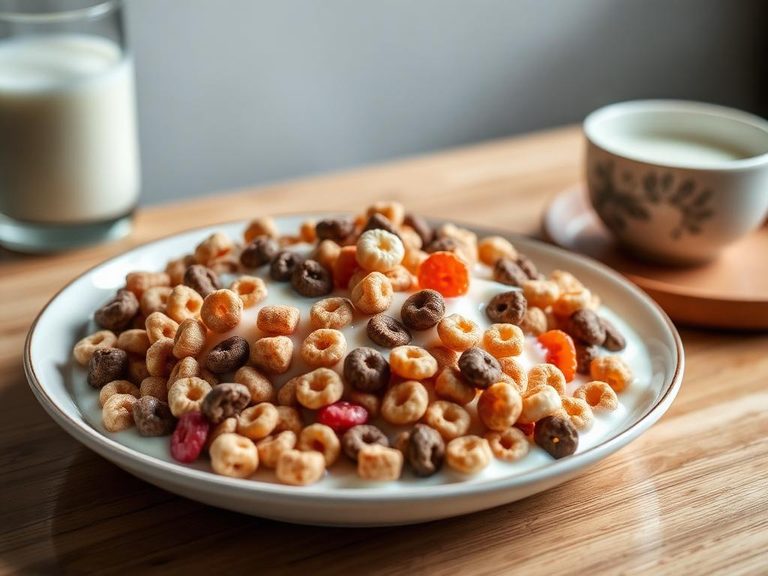
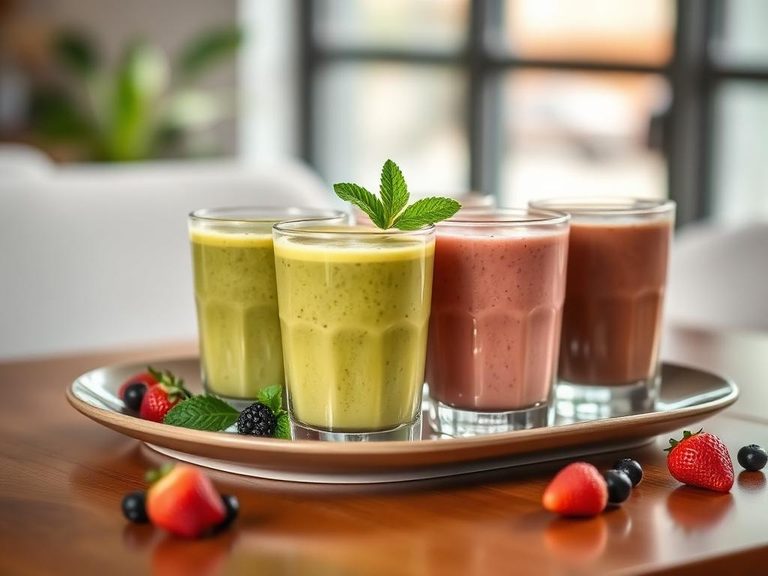
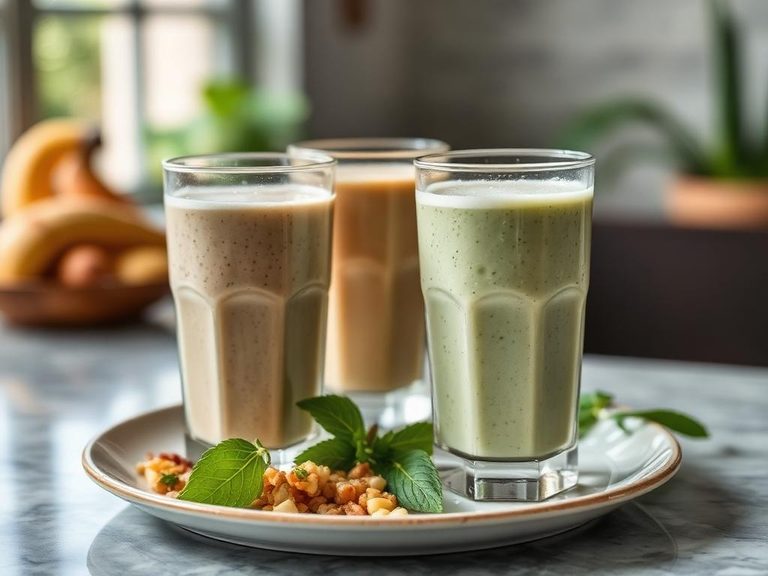
People love skim milk for its clean, neutral flavor that complements coffee, cereal, and smoothies without adding fat. It's a staple in many cultures for its versatility and role as a low-calorie, high-protein beverage.
⚠️ Watch-outs & how to enjoy it better
Skim milk can be perceived as watery or less flavorful, and its lactose content may cause digestive issues for those with lactose intolerance. To counteract this, pair it with a source of fat or protein (like nuts or peanut butter) to slow digestion and improve satiety, or use lactose-free versions if needed.
Key benefits
- High in protein for muscle maintenance and satiety
- Low in calories and virtually fat-free
- Fortified with vitamins A and D for bone and immune health
- Good source of calcium for bone strength
- Lactose provides quick energy without added sugars
🍽️ Popular dishes
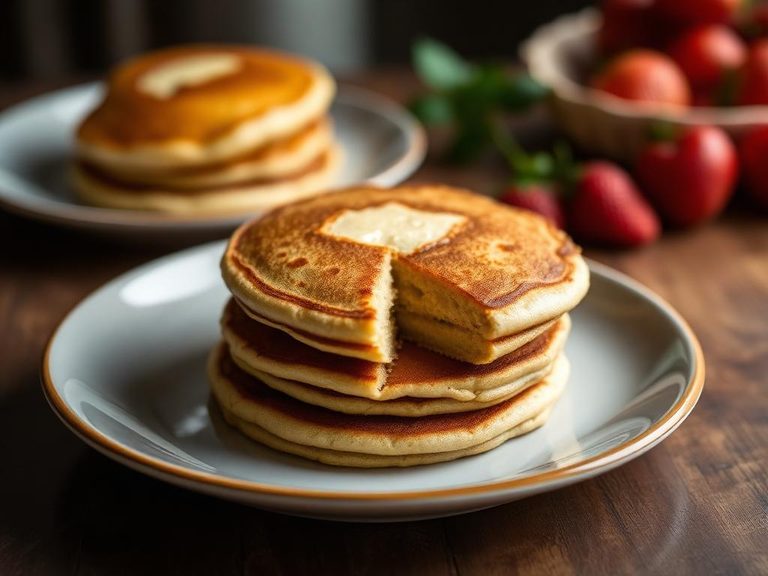
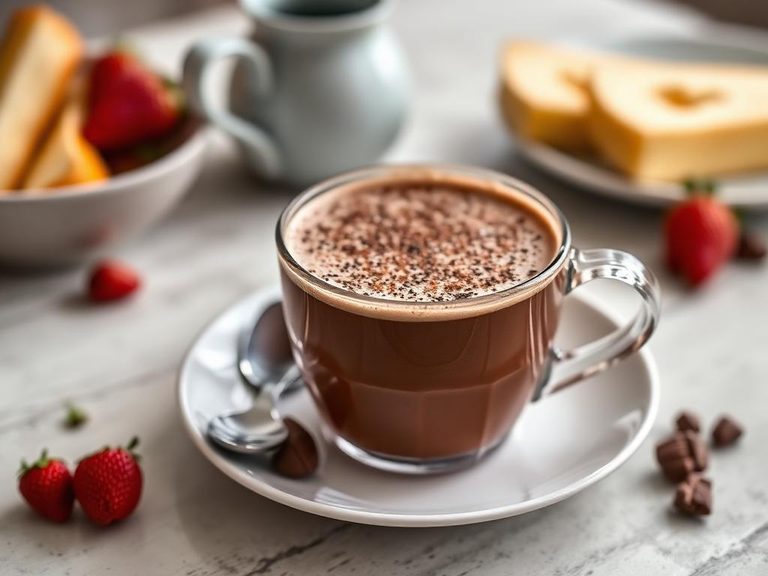
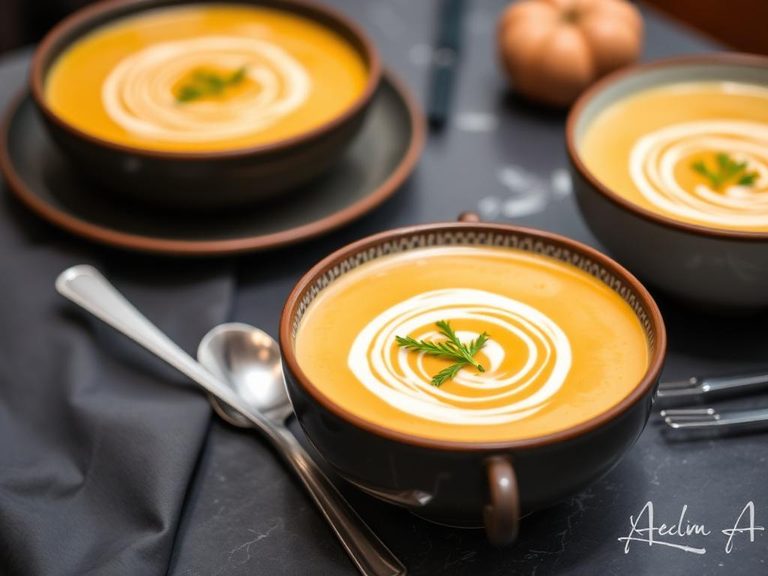
🌍 Where it's eaten
💡 Did you know?
Skim milk was first commercially produced in the 1890s as a byproduct of butter-making, and its name 'skim' comes from the process of skimming cream off the top of milk.
Full nutrition (USDA data · scales with serving)
| Water | 90.8 g |
| Energy (Atwater General Factors) | 34.0 kcal |
| Energy (Atwater Specific Factors) | 34.0 kcal |
| Energy | 34.0 kcal |
| Energy | 144 kj |
| Nitrogen | 0.54 g |
| Protein | 3.4 g |
| Total lipid (fat) | 0.08 g |
| Total fat (NLEA) | 0.07 g |
| Ash | 0.77 g |
| Carbohydrate, by difference | 4.9 g |
| Sugars, Total | 5.0 g |
| Sucrose | 0.00 g |
| Glucose | 0.00 g |
| Fructose | 0.00 g |
| Lactose | 5.0 g |
| Maltose | 0.00 g |
| Galactose | 0.00 g |
| Calcium, Ca | 132 mg |
| Iron, Fe | 0.00 mg |
| Magnesium, Mg | 12.5 mg |
| Phosphorus, P | 107 mg |
| Potassium, K | 167 mg |
| Sodium, Na | 41.0 mg |
| Zinc, Zn | 0.45 mg |
| Copper, Cu | 0.00 mg |
| Manganese, Mn | 0.00 mg |
| Iodine, I | 35.7 ug |
| Selenium, Se | 2.0 ug |
| Thiamin | 0.06 mg |
| Riboflavin | 0.13 mg |
| Niacin | 0.12 mg |
| Pantothenic acid | 0.39 mg |
| Vitamin B-6 | 0.06 mg |
| Folate, total | 2.0 ug |
| Choline, total | 18.2 mg |
| Choline, free | 3.1 mg |
| Choline, from phosphocholine | 0.80 mg |
| Choline, from phosphotidyl choline | 2.0 mg |
| Choline, from glycerophosphocholine | 11.5 mg |
| Choline, from sphingomyelin | 0.90 mg |
| Betaine | 0.90 mg |
| Vitamin B-12 | 0.58 ug |
| Vitamin A, RAE | 64.0 ug |
| Retinol | 64.0 ug |
| Carotene, beta | 2.0 ug |
| cis-beta-Carotene | 1.0 ug |
| trans-beta-Carotene | 1.0 ug |
| Carotene, alpha | 0.00 ug |
| Cryptoxanthin, beta | 0.00 ug |
| Cryptoxanthin, alpha | 0.00 ug |
| Lycopene | 0.00 ug |
| cis-Lycopene | 0.00 ug |
| trans-Lycopene | 0.00 ug |
| cis-Lutein/Zeaxanthin | 0.00 ug |
| Lutein | 1.0 ug |
| Zeaxanthin | 0.00 ug |
| Vitamin E (alpha-tocopherol) | 0.00 mg |
| Tocopherol, beta | 0.00 mg |
| Tocopherol, gamma | 0.00 mg |
| Tocopherol, delta | 0.00 mg |
| Tocotrienol, alpha | 0.00 mg |
| Tocotrienol, beta | 0.00 mg |
| Tocotrienol, gamma | 0.00 mg |
| Tocotrienol, delta | 0.00 mg |
| Vitamin D (D2 + D3), International Units | 44.0 iu |
| Vitamin D (D2 + D3) | 1.1 ug |
| Vitamin D2 (ergocalciferol) | 0.00 ug |
| Vitamin D3 (cholecalciferol) | 1.1 ug |
| 25-hydroxycholecalciferol | 0.00 ug |
Fat & fatty acid profile (per 100g)
| Fatty acids, total saturated | 0.05 g |
| SFA 4:0 | 0.00 g |
| SFA 5:0 | 0.00 g |
| SFA 6:0 | 0.00 g |
| SFA 7:0 | 0.00 g |
| SFA 8:0 | 0.00 g |
| SFA 9:0 | 0.00 g |
| SFA 10:0 | 0.00 g |
| SFA 11:0 | 0.00 g |
| SFA 12:0 | 0.00 g |
| SFA 14:0 | 0.01 g |
| SFA 15:0 | 0.00 g |
| SFA 16:0 | 0.02 g |
| SFA 17:0 | 0.00 g |
| SFA 18:0 | 0.01 g |
| SFA 20:0 | 0.00 g |
| SFA 21:0 | 0.00 g |
| SFA 22:0 | 0.00 g |
| SFA 23:0 | 0.00 g |
| SFA 24:0 | 0.00 g |
| Fatty acids, total monounsaturated | 0.02 g |
| MUFA 12:1 | 0.00 g |
| MUFA 14:1 c | 0.00 g |
| MUFA 15:1 | 0.00 g |
| MUFA 16:1 c | 0.00 g |
| MUFA 17:1 | 0.00 g |
| MUFA 17:1 c | 0.00 g |
| MUFA 18:1 c | 0.02 g |
| MUFA 20:1 c | 0.00 g |
| MUFA 22:1 c | 0.00 g |
| MUFA 22:1 n-9 | 0.00 g |
| MUFA 22:1 n-11 | 0.00 g |
| MUFA 24:1 c | 0.00 g |
| Fatty acids, total polyunsaturated | 0.01 g |
| PUFA 18:2 c | 0.01 g |
| PUFA 18:2 n-6 c,c | 0.01 g |
| PUFA 18:2 CLAs | 0.00 g |
| PUFA 18:3 c | 0.00 g |
| PUFA 18:3 n-3 c,c,c (ALA) | 0.00 g |
| PUFA 18:3 n-6 c,c,c | 0.00 g |
| PUFA 18:4 | 0.00 g |
| PUFA 20:2 c | 0.00 g |
| PUFA 20:2 n-6 c,c | 0.00 g |
| PUFA 20:3 c | 0.00 g |
| PUFA 20:3 n-3 | 0.00 g |
| PUFA 20:3 n-6 | 0.00 g |
| PUFA 20:3 n-9 | 0.00 g |
| PUFA 22:3 | 0.00 g |
| PUFA 20:4 | 0.00 g |
| PUFA 20:4c | 0.00 g |
| PUFA 20:5c | 0.00 g |
| PUFA 20:5 n-3 (EPA) | 0.00 g |
| PUFA 22:2 | 0.00 g |
| PUFA 22:5 c | 0.00 g |
| PUFA 22:4 | 0.00 g |
| PUFA 22:5 n-3 (DPA) | 0.00 g |
| PUFA 22:6 c | 0.00 g |
| PUFA 22:6 n-3 (DHA) | 0.00 g |
| Fatty acids, total trans | 0.00 g |
| Fatty acids, total trans-monoenoic | 0.00 g |
| TFA 14:1 t | 0.00 g |
| TFA 16:1 t | 0.00 g |
| TFA 18:1 t | 0.00 g |
| TFA 20:1 t | 0.00 g |
| TFA 22:1 t | 0.00 g |
| Fatty acids, total trans-dienoic | 0.00 g |
| TFA 18:2 t not further defined | 0.00 g |
| Fatty acids, total trans-polyenoic | 0.00 g |
| TFA 18:3 t | 0.00 g |
| Cholesterol | 3.0 mg |
Amino acid profile (per 100g)
| Tryptophan | 0.05 g |
| Threonine | 0.17 g |
| Isoleucine | 0.18 g |
| Leucine | 0.35 g |
| Lysine | 0.30 g |
| Methionine | 0.09 g |
| Phenylalanine | 0.17 g |
| Tyrosine | 0.17 g |
| Valine | 0.22 g |
| Arginine | 0.13 g |
| Histidine | 0.10 g |
| Alanine | 0.12 g |
| Aspartic acid | 0.30 g |
| Glutamic acid | 0.83 g |
| Glycine | 0.07 g |
| Proline | 0.35 g |
| Serine | 0.20 g |
| Hydroxyproline | 0.00 g |
| Cysteine | 0.04 g |
FAQ
Is skim milk as nutritious as whole milk?
Skim milk has the same protein, calcium, and vitamins as whole milk but lacks the fat, which can affect satiety and absorption of fat-soluble vitamins.
Can I use skim milk in cooking?
Yes, skim milk works well in recipes like soups, sauces, and baked goods, though it may result in a less creamy texture compared to whole milk.
Is skim milk suitable for children?
Skim milk is generally safe for children over 2 years old, but consult a pediatrician for specific dietary needs, as fat is important for growth in younger children.
Nutrient density (calculated · NRF9.3)
Nutrient Rich Foods index: beneficial nutrients (protein, fiber, vitamins, minerals) minus saturated fat, added sugar & sodium, per 100 kcal.
NRF9.3 index — Fulgoni, Keast & Drewnowski, 2009. Computed from USDA nutrients.
Weight-loss friendliness (composite index)
Energy density 0.34 kcal/g · 40% calories from protein · 0.0 g fiber · 0.0 g sugar per 100 g.
Composite of energy density (Rolls et al., 1999), protein & fiber satiety, minus sugar. A calculated heuristic — ranks satiety-per-calorie, not a clinical measure.
Dietary load (calculated from USDA values)
Potential renal acid load. Positive = acid-forming, negative = alkaline-forming.
Sodium-to-potassium ratio: 0.25 (lower is better — aim for ≤ 1)
Sodium:potassium per WHO potassium guidance. Computed from USDA nutrients.