

Egg, whole, raw, fresh
Whole food · Dairy and Egg Products
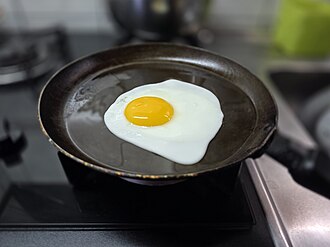
Photo: Wikipedia
A whole, raw egg is a self-contained nutritional powerhouse, encased in a protective shell. Its clear, viscous albumen (white) and rich, golden yolk offer a unique combination of mild, savory flavors and textures that transform completely with cooking. Nutritionally, it's a dense source of high-quality protein and healthy fats, with virtually no carbohydrates.
Calorie split: 36% protein · 2% carbs · 62% fat
↓ Full nutrition💚 Why it's loved
People adore eggs for their unparalleled versatility—they can be the star of a simple breakfast or the binding agent in a complex dessert. Their rich, savory flavor and comforting texture form the foundation of countless culinary traditions worldwide.
⚠️ Watch-outs & how to enjoy it better
As a common food allergen, eggs can cause reactions in sensitive individuals. The yolk contains dietary cholesterol, though current science suggests this has less impact on blood cholesterol for most people than previously thought. To mitigate any concerns, pair eggs with fiber-rich vegetables (like spinach or peppers) to balance the meal, and practice portion control if managing specific health conditions.
Key benefits
- Excellent source of complete protein with all essential amino acids.
- Rich in choline, crucial for brain and liver health.
- Provides healthy fats and fat-soluble vitamins like A, D, and E.
- Contains lutein and zeaxanthin, antioxidants important for eye health.
- Naturally low in carbohydrates and sugar.
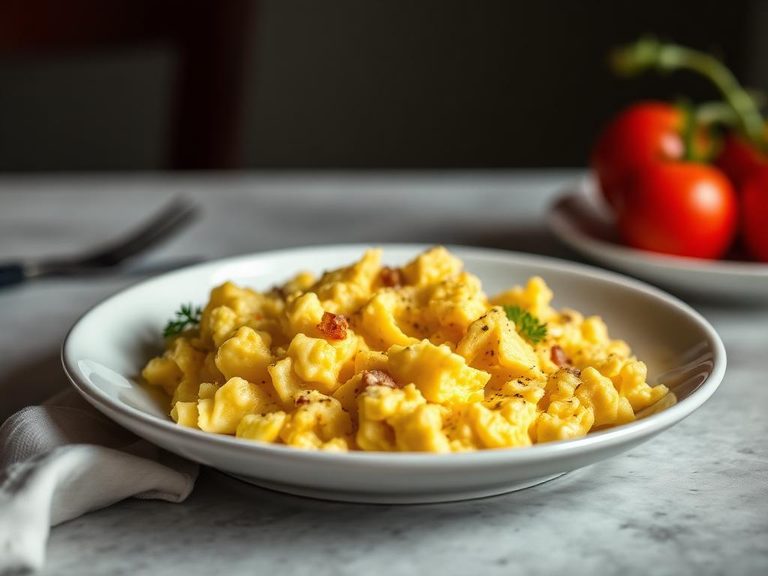
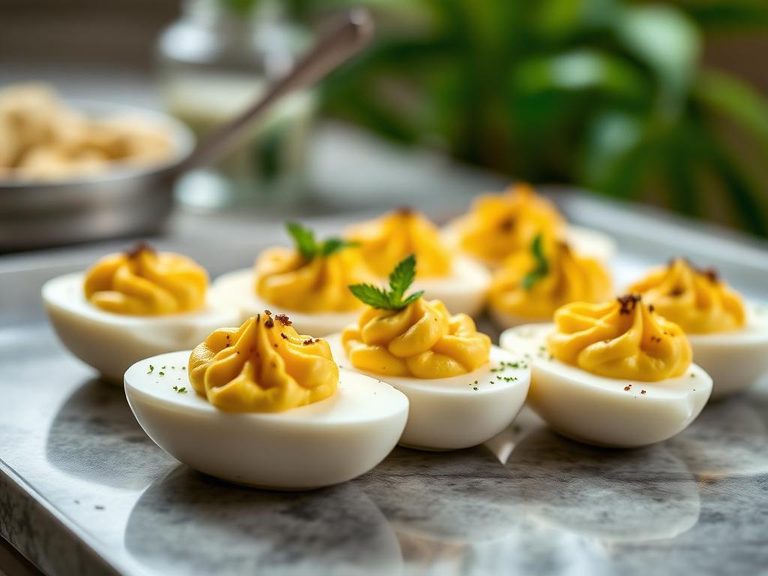
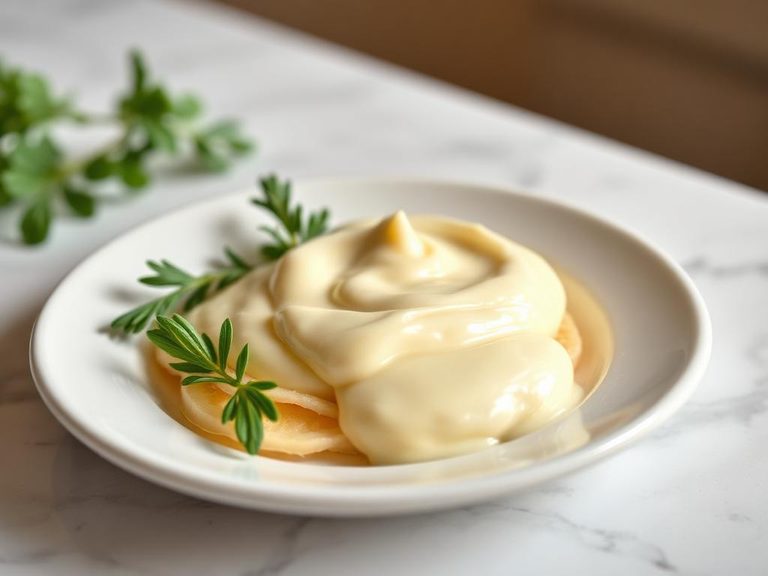
🍽️ Popular dishes



🌍 Where it's eaten
💡 Did you know?
The color of a chicken's earlobe (typically white or red) often correlates with the color of the eggs it lays.
Full nutrition (USDA data · scales with serving)
| Water | 76.2 g |
| Energy | 143 kcal |
| Energy | 599 kj |
| Protein | 12.6 g |
| Total lipid (fat) | 9.5 g |
| Ash | 1.1 g |
| Carbohydrate, by difference | 0.72 g |
| Fiber, total dietary | 0.00 g |
| Total Sugars | 0.37 g |
| Sucrose | 0.00 g |
| Glucose | 0.37 g |
| Fructose | 0.00 g |
| Lactose | 0.00 g |
| Maltose | 0.00 g |
| Galactose | 0.00 g |
| Calcium, Ca | 56.0 mg |
| Iron, Fe | 1.8 mg |
| Magnesium, Mg | 12.0 mg |
| Phosphorus, P | 198 mg |
| Potassium, K | 138 mg |
| Sodium, Na | 142 mg |
| Zinc, Zn | 1.3 mg |
| Copper, Cu | 0.07 mg |
| Manganese, Mn | 0.03 mg |
| Selenium, Se | 30.7 ug |
| Fluoride, F | 1.1 ug |
| Vitamin C, total ascorbic acid | 0.00 mg |
| Thiamin | 0.04 mg |
| Riboflavin | 0.46 mg |
| Niacin | 0.07 mg |
| Pantothenic acid | 1.5 mg |
| Vitamin B-6 | 0.17 mg |
| Folate, total | 47.0 ug |
| Folic acid | 0.00 ug |
| Folate, food | 47.0 ug |
| Folate, DFE | 47.0 ug |
| Choline, total | 294 mg |
| Betaine | 0.30 mg |
| Vitamin B-12 | 0.89 ug |
| Vitamin B-12, added | 0.00 ug |
| Vitamin A, RAE | 160 ug |
| Retinol | 160 ug |
| Carotene, beta | 0.00 ug |
| Carotene, alpha | 0.00 ug |
| Cryptoxanthin, beta | 9.0 ug |
| Vitamin A, IU | 540 iu |
| Lycopene | 0.00 ug |
| Lutein + zeaxanthin | 503 ug |
| Vitamin E (alpha-tocopherol) | 1.1 mg |
| Vitamin E, added | 0.00 mg |
| Tocopherol, beta | 0.01 mg |
| Tocopherol, gamma | 0.50 mg |
| Tocopherol, delta | 0.06 mg |
| Tocotrienol, alpha | 0.06 mg |
| Tocotrienol, beta | 0.00 mg |
| Tocotrienol, gamma | 0.01 mg |
| Tocotrienol, delta | 0.00 mg |
| Vitamin D (D2 + D3), International Units | 82.0 iu |
| Vitamin D (D2 + D3) | 2.0 ug |
| Vitamin D3 (cholecalciferol) | 2.0 ug |
| Vitamin K (phylloquinone) | 0.30 ug |
| Vitamin K (Dihydrophylloquinone) | 0.10 ug |
| Alcohol, ethyl | 0.00 g |
| Caffeine | 0.00 mg |
| Theobromine | 0.00 mg |
Fat & fatty acid profile (per 100g)
| Fatty acids, total saturated | 3.1 g |
| SFA 4:0 | 0.00 g |
| SFA 6:0 | 0.00 g |
| SFA 8:0 | 0.00 g |
| SFA 10:0 | 0.01 g |
| SFA 12:0 | 0.00 g |
| SFA 14:0 | 0.03 g |
| SFA 15:0 | 0.01 g |
| SFA 16:0 | 2.2 g |
| SFA 17:0 | 0.02 g |
| SFA 18:0 | 0.81 g |
| SFA 20:0 | 0.00 g |
| SFA 22:0 | 0.00 g |
| SFA 24:0 | 0.00 g |
| Fatty acids, total monounsaturated | 3.7 g |
| MUFA 14:1 | 0.01 g |
| MUFA 15:1 | 0.00 g |
| MUFA 16:1 | 0.20 g |
| MUFA 16:1 c | 0.20 g |
| MUFA 17:1 | 0.01 g |
| MUFA 18:1 | 3.4 g |
| MUFA 18:1 c | 3.4 g |
| MUFA 20:1 | 0.03 g |
| MUFA 22:1 | 0.00 g |
| MUFA 22:1 c | 0.00 g |
| MUFA 24:1 c | 0.00 g |
| Fatty acids, total polyunsaturated | 1.9 g |
| PUFA 18:2 | 1.6 g |
| PUFA 18:2 n-6 c,c | 1.5 g |
| PUFA 18:2 CLAs | 0.01 g |
| PUFA 18:3 | 0.05 g |
| PUFA 18:3 n-3 c,c,c (ALA) | 0.04 g |
| PUFA 18:3 n-6 c,c,c | 0.01 g |
| PUFA 18:4 | 0.00 g |
| PUFA 20:2 n-6 c,c | 0.02 g |
| PUFA 20:3 | 0.02 g |
| PUFA 20:3 n-3 | 0.00 g |
| PUFA 20:3 n-6 | 0.02 g |
| PUFA 20:4 | 0.19 g |
| PUFA 20:5 n-3 (EPA) | 0.00 g |
| PUFA 22:4 | 0.01 g |
| PUFA 22:5 n-3 (DPA) | 0.01 g |
| PUFA 22:6 n-3 (DHA) | 0.06 g |
| Fatty acids, total trans | 0.04 g |
| Fatty acids, total trans-monoenoic | 0.03 g |
| TFA 16:1 t | 0.00 g |
| TFA 18:1 t | 0.02 g |
| TFA 22:1 t | 0.00 g |
| TFA 18:2 t not further defined | 0.01 g |
| Fatty acids, total trans-polyenoic | 0.01 g |
| Cholesterol | 372 mg |
Amino acid profile (per 100g)
| Tryptophan | 0.17 g |
| Threonine | 0.56 g |
| Isoleucine | 0.67 g |
| Leucine | 1.1 g |
| Lysine | 0.91 g |
| Methionine | 0.38 g |
| Cystine | 0.27 g |
| Phenylalanine | 0.68 g |
| Tyrosine | 0.50 g |
| Valine | 0.86 g |
| Arginine | 0.82 g |
| Histidine | 0.31 g |
| Alanine | 0.73 g |
| Aspartic acid | 1.3 g |
| Glutamic acid | 1.7 g |
| Glycine | 0.43 g |
| Proline | 0.51 g |
| Serine | 0.97 g |
FAQ
Are raw eggs safe to eat?
Raw eggs carry a small risk of Salmonella contamination. It's safest for pregnant women, young children, the elderly, and immunocompromised individuals to consume only fully cooked eggs. Healthy adults can minimize risk by using pasteurized eggs for recipes requiring raw or undercooked eggs.
How should I store fresh eggs?
Store eggs in their original carton on a middle or interior shelf of the refrigerator (not the door) for up to 3-5 weeks. The carton protects them from absorbing odors and helps maintain consistent temperature.
Why do some recipes call for only the white or yolk?
Egg whites are almost pure protein and water, used for leavening (like in meringues) and adding structure without extra fat. Yolks provide fat, emulsifiers, and richness, essential for custards, sauces, and adding tenderness to baked goods.
Nutrient density (calculated · NRF9.3)
Nutrient Rich Foods index: beneficial nutrients (protein, fiber, vitamins, minerals) minus saturated fat, added sugar & sodium, per 100 kcal.
NRF9.3 index — Fulgoni, Keast & Drewnowski, 2009. Computed from USDA nutrients.
Weight-loss friendliness (composite index)
Energy density 1.43 kcal/g · 35% calories from protein · 0.0 g fiber · 0.4 g sugar per 100 g.
Composite of energy density (Rolls et al., 1999), protein & fiber satiety, minus sugar. A calculated heuristic — ranks satiety-per-calorie, not a clinical measure.
Dietary load (calculated from USDA values)
Potential renal acid load. Positive = acid-forming, negative = alkaline-forming.
Sodium-to-potassium ratio: 1.03 (lower is better — aim for ≤ 1)
Sodium:potassium per WHO potassium guidance. Computed from USDA nutrients.