

Egg, whole, cooked, hard-boiled
Whole food · Dairy and Egg Products

Photo: Wikipedia
A hard-boiled egg is a whole egg cooked in its shell until both the white and yolk are completely solid, resulting in a firm, slightly springy white and a creamy, dense, pale-yellow yolk. It's a protein powerhouse, packing over 12 grams of high-quality protein per 100 grams with minimal carbs. The cooking process makes its nutrients highly bioavailable and gives it a neutral, savory base flavor.
Calorie split: 33% protein · 3% carbs · 64% fat
↓ Full nutrition💚 Why it's loved
People love its incredible versatility and satisfying simplicity—it's the perfect blank canvas that can be seasoned in endless ways or transformed into everything from a quick snack to a key ingredient. Its familiar, comforting flavor and satisfying texture make it a universal staple across cultures.
⚠️ Watch-outs & how to enjoy it better
Some may experience digestive discomfort or a sulfurous aftertaste from the yolk, and it is a common allergen. To mitigate digestive issues, avoid overcooking (which increases sulfur compounds) and consume in moderate portions. Those watching cholesterol should consult dietary guidelines, as recommendations vary by individual.
Key benefits
- Excellent source of complete, high-quality protein for muscle maintenance and satiety.
- Rich in choline, essential for brain health and cell membrane function.
- Contains lutein and zeaxanthin, antioxidants that support eye health.
- Naturally low in carbohydrates, making it suitable for low-carb diets.
- A convenient, portable, and shelf-stable (when unpeeled) protein snack.
🍽️ Popular dishes
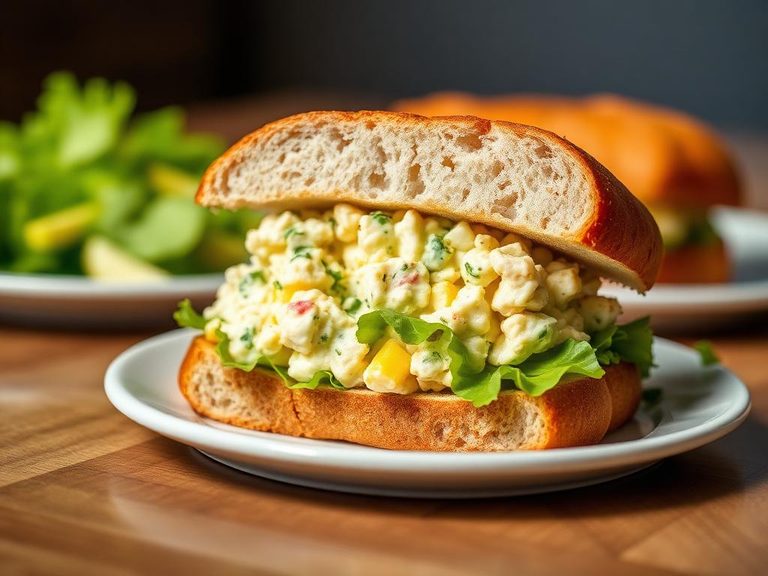
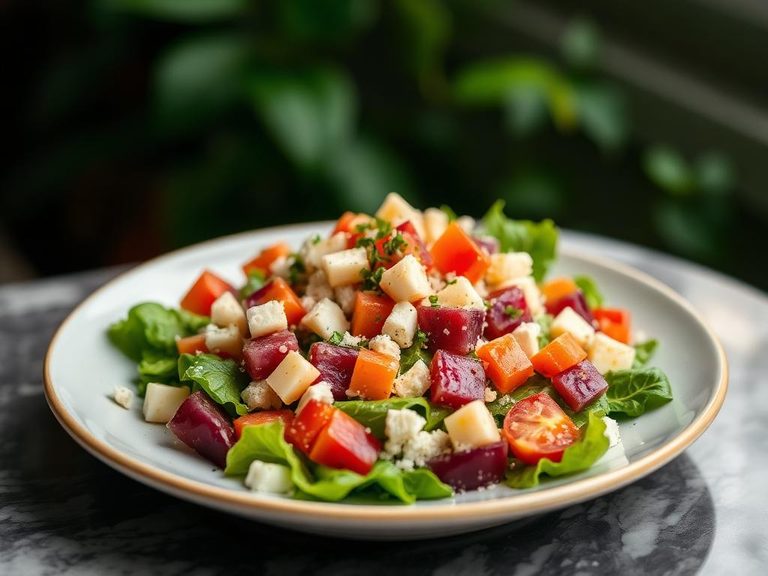
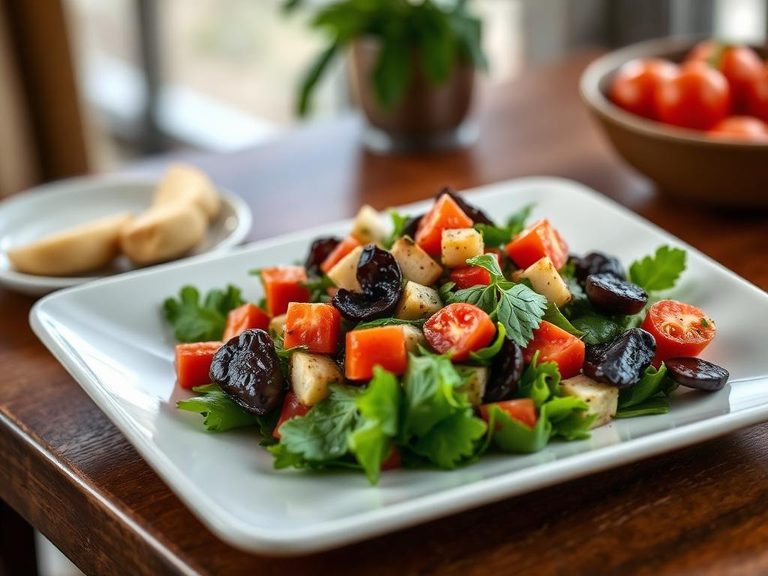

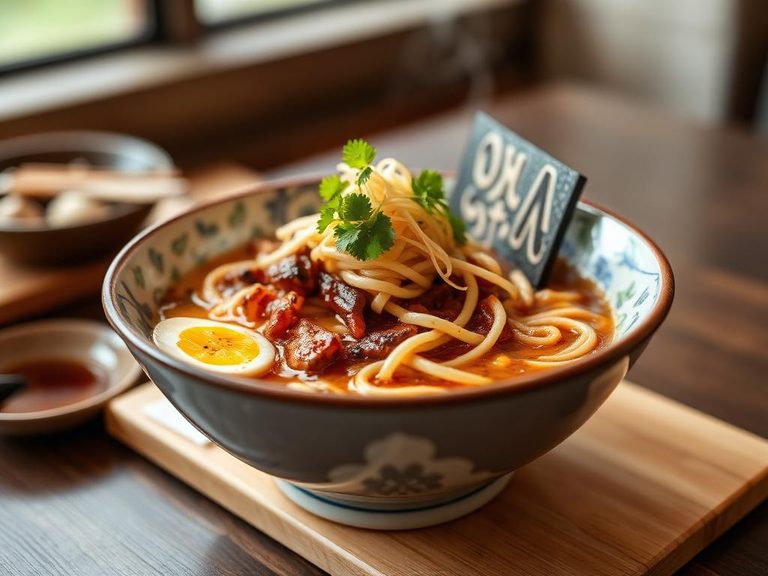

🌍 Where it's eaten
💡 Did you know?
A fresh egg will sink in water, but an older egg will stand upright or float because the tiny air pocket inside its shell grows larger as it ages.
Full nutrition (USDA data · scales with serving)
| Water | 74.6 g |
| Energy | 155 kcal |
| Energy | 649 kj |
| Protein | 12.6 g |
| Total lipid (fat) | 10.6 g |
| Ash | 1.1 g |
| Carbohydrate, by difference | 1.1 g |
| Fiber, total dietary | 0.00 g |
| Total Sugars | 1.1 g |
| Calcium, Ca | 50.0 mg |
| Iron, Fe | 1.2 mg |
| Magnesium, Mg | 10.0 mg |
| Phosphorus, P | 172 mg |
| Potassium, K | 126 mg |
| Sodium, Na | 124 mg |
| Zinc, Zn | 1.1 mg |
| Copper, Cu | 0.01 mg |
| Manganese, Mn | 0.03 mg |
| Selenium, Se | 30.8 ug |
| Fluoride, F | 4.8 ug |
| Vitamin C, total ascorbic acid | 0.00 mg |
| Thiamin | 0.07 mg |
| Riboflavin | 0.51 mg |
| Niacin | 0.06 mg |
| Pantothenic acid | 1.4 mg |
| Vitamin B-6 | 0.12 mg |
| Folate, total | 44.0 ug |
| Folic acid | 0.00 ug |
| Folate, food | 44.0 ug |
| Folate, DFE | 44.0 ug |
| Choline, total | 294 mg |
| Betaine | 0.60 mg |
| Vitamin B-12 | 1.1 ug |
| Vitamin B-12, added | 0.00 ug |
| Vitamin A, RAE | 149 ug |
| Retinol | 148 ug |
| Carotene, beta | 11.0 ug |
| Carotene, alpha | 0.00 ug |
| Cryptoxanthin, beta | 10.0 ug |
| Vitamin A, IU | 520 iu |
| Lycopene | 0.00 ug |
| Lutein + zeaxanthin | 353 ug |
| Vitamin E (alpha-tocopherol) | 1.0 mg |
| Vitamin E, added | 0.00 mg |
| Vitamin D (D2 + D3), International Units | 87.0 iu |
| Vitamin D (D2 + D3) | 2.2 ug |
| Vitamin D3 (cholecalciferol) | 2.2 ug |
| Vitamin K (phylloquinone) | 0.30 ug |
| Alcohol, ethyl | 0.00 g |
| Caffeine | 0.00 mg |
| Theobromine | 0.00 mg |
Fat & fatty acid profile (per 100g)
| Fatty acids, total saturated | 3.3 g |
| SFA 4:0 | 0.00 g |
| SFA 6:0 | 0.00 g |
| SFA 8:0 | 0.00 g |
| SFA 10:0 | 0.00 g |
| SFA 12:0 | 0.00 g |
| SFA 14:0 | 0.04 g |
| SFA 16:0 | 2.3 g |
| SFA 18:0 | 0.83 g |
| Fatty acids, total monounsaturated | 4.1 g |
| MUFA 16:1 | 0.31 g |
| MUFA 18:1 | 3.7 g |
| MUFA 20:1 | 0.03 g |
| MUFA 22:1 | 0.00 g |
| Fatty acids, total polyunsaturated | 1.4 g |
| PUFA 18:2 | 1.2 g |
| PUFA 18:3 | 0.04 g |
| PUFA 18:4 | 0.00 g |
| PUFA 20:4 | 0.15 g |
| PUFA 20:5 n-3 (EPA) | 0.01 g |
| PUFA 22:5 n-3 (DPA) | 0.00 g |
| PUFA 22:6 n-3 (DHA) | 0.04 g |
| Cholesterol | 373 mg |
Amino acid profile (per 100g)
| Tryptophan | 0.15 g |
| Threonine | 0.60 g |
| Isoleucine | 0.69 g |
| Leucine | 1.1 g |
| Lysine | 0.90 g |
| Methionine | 0.39 g |
| Cystine | 0.29 g |
| Phenylalanine | 0.67 g |
| Tyrosine | 0.51 g |
| Valine | 0.77 g |
| Arginine | 0.76 g |
| Histidine | 0.30 g |
| Alanine | 0.70 g |
| Aspartic acid | 1.3 g |
| Glutamic acid | 1.6 g |
| Glycine | 0.42 g |
| Proline | 0.50 g |
| Serine | 0.94 g |
FAQ
How do you get a hard-boiled egg with a perfectly centered yolk?
For a centered yolk, store eggs pointy-end down in the carton for a day before boiling. When cooking, gently stir the water to create a vortex that helps center the yolk as the white sets.
Why does the yolk sometimes have a green ring around it?
The green ring (ferrous sulfide) forms when eggs are overcooked or cooled too quickly. To prevent it, boil for the recommended time (9-12 minutes) and immediately transfer the eggs to an ice water bath to halt cooking.
Are hard-boiled eggs safe to eat if the shell is cracked?
It's best to discard a cracked egg, as the crack can allow bacteria to enter. If you must use it, ensure it is cooked thoroughly and consumed immediately, never stored.
Nutrient density (calculated · NRF9.3)
Nutrient Rich Foods index: beneficial nutrients (protein, fiber, vitamins, minerals) minus saturated fat, added sugar & sodium, per 100 kcal.
NRF9.3 index — Fulgoni, Keast & Drewnowski, 2009. Computed from USDA nutrients.
Weight-loss friendliness (composite index)
Energy density 1.55 kcal/g · 32% calories from protein · 0.0 g fiber · 1.1 g sugar per 100 g.
Composite of energy density (Rolls et al., 1999), protein & fiber satiety, minus sugar. A calculated heuristic — ranks satiety-per-calorie, not a clinical measure.
Dietary load (calculated from USDA values)
Potential renal acid load. Positive = acid-forming, negative = alkaline-forming.
Sodium-to-potassium ratio: 0.98 (lower is better — aim for ≤ 1)
Sodium:potassium per WHO potassium guidance. Computed from USDA nutrients.