

Cheese, cheddar
Whole food · Dairy and Egg Products
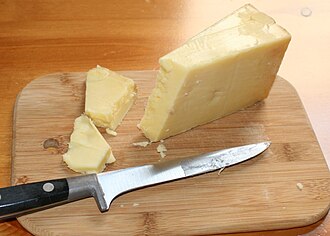
Photo: Wikipedia
Cheddar is a firm, crumbly cow's milk cheese known for its sharp, tangy, and often nutty flavor that deepens with age. Its rich, creamy texture melts beautifully, making it a staple in both raw and cooked applications. Nutritionally, it is a dense source of protein and fat, providing significant calories in a small serving.
Calorie split: 23% protein · 2% carbs · 75% fat
↓ Full nutrition💚 Why it's loved
People adore cheddar for its bold, complex flavor that can range from mild to intensely sharp, and its unparalleled versatility in everything from sandwiches to sauces. It holds a deep cultural significance, particularly in British and American cuisine, as a comforting and iconic dairy product.
⚠️ Watch-outs & how to enjoy it better
Its high saturated fat and sodium content can be a concern for those managing heart health or blood pressure. To mitigate this, practice strict portion control (stick to 1-ounce servings) and pair it with fiber-rich foods like apples or whole-grain crackers to balance the meal. As a common dairy allergen, those with lactose intolerance or milk protein allergies should avoid it or seek lactose-free alternatives.
Key benefits
- Excellent source of high-quality protein for muscle maintenance.
- Rich in calcium for bone and dental health.
- Provides vitamin B12, essential for nerve function and red blood cell formation.
- High in fat-soluble vitamins like A and K2.
- Contains conjugated linoleic acid (CLA), a fatty acid studied for potential health benefits.
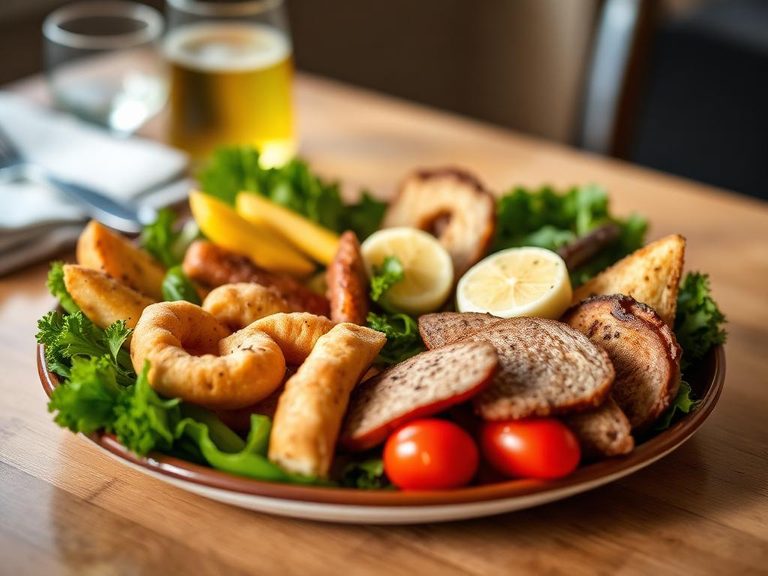
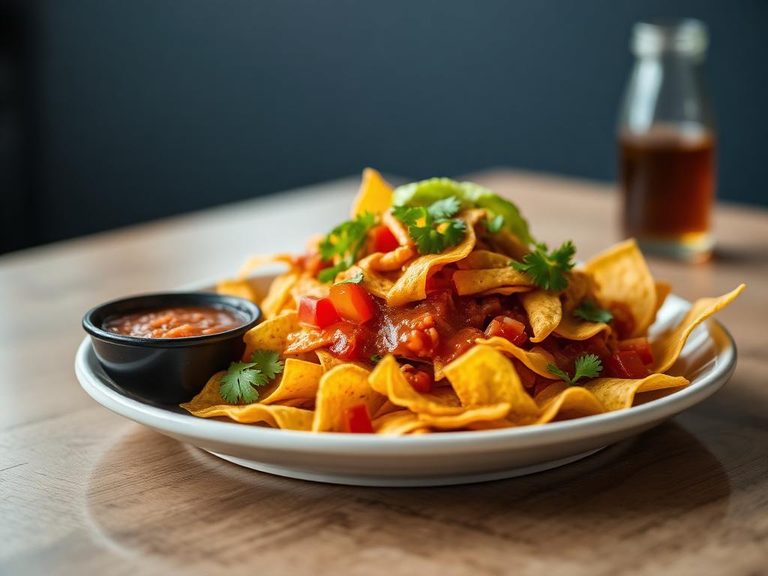
🍽️ Popular dishes
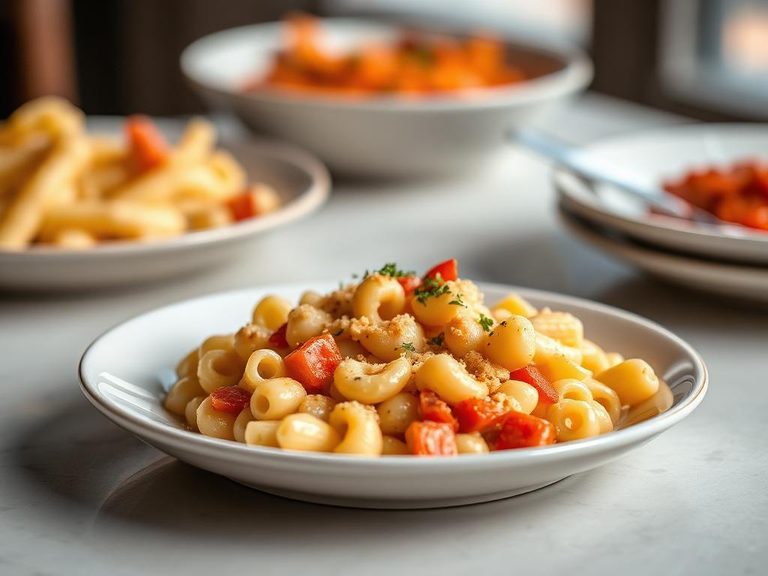
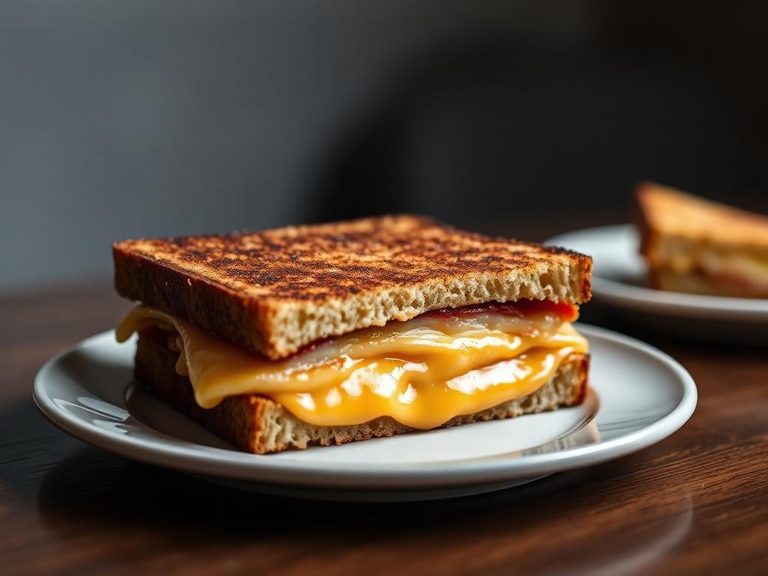
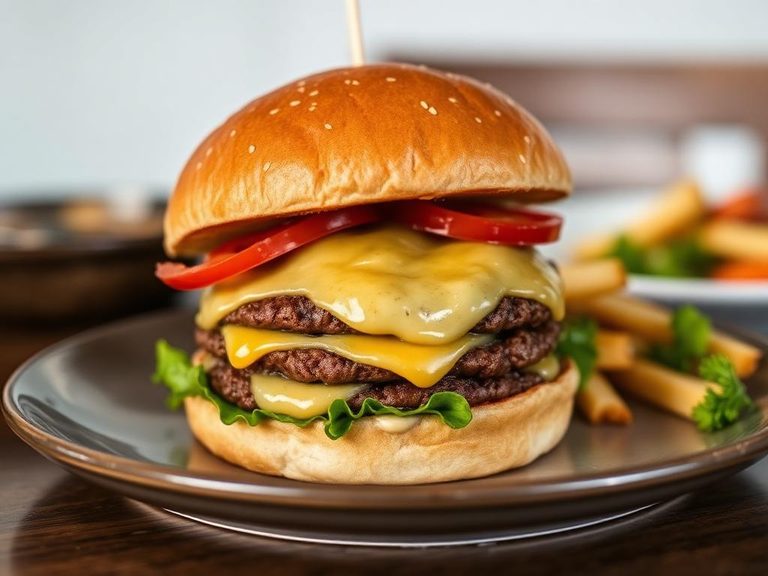

🌍 Where it's eaten
💡 Did you know?
The famous orange color of many cheddars comes from annatto, a natural dye extracted from the seeds of the achiote tree, which was originally used to mimic the golden hue of high-quality milk from grass-fed cows.
Full nutrition (USDA data · scales with serving)
| Water | 36.6 g |
| Energy (Atwater General Factors) | 409 kcal |
| Energy (Atwater Specific Factors) | 408 kcal |
| Energy | 408 kcal |
| Energy | 1710 kj |
| Nitrogen | 3.6 g |
| Protein | 23.3 g |
| Total lipid (fat) | 34.0 g |
| Total fat (NLEA) | 29.0 g |
| Ash | 3.7 g |
| Carbohydrate, by difference | 2.4 g |
| Sugars, Total | 0.33 g |
| Sucrose | 0.00 g |
| Glucose | 0.10 g |
| Fructose | 0.00 g |
| Lactose | 0.16 g |
| Maltose | 0.00 g |
| Galactose | 0.07 g |
| Calcium, Ca | 707 mg |
| Iron, Fe | 0.16 mg |
| Magnesium, Mg | 26.8 mg |
| Phosphorus, P | 458 mg |
| Potassium, K | 77.0 mg |
| Sodium, Na | 654 mg |
| Zinc, Zn | 3.7 mg |
| Copper, Cu | 0.03 mg |
| Manganese, Mn | 0.03 mg |
| Selenium, Se | 28.3 ug |
| Thiamin | 0.03 mg |
| Riboflavin | 0.44 mg |
| Niacin | 0.05 mg |
| Pantothenic acid | 0.41 mg |
| Vitamin B-6 | 0.07 mg |
| Folate, total | 21.0 ug |
| Vitamin B-12 | 1.1 ug |
| Vitamin A, RAE | 316 ug |
| Retinol | 316 ug |
| Vitamin E (alpha-tocopherol) | 0.75 mg |
| Tocopherol, beta | 0.00 mg |
| Tocopherol, gamma | 0.04 mg |
| Tocopherol, delta | 0.00 mg |
| Tocotrienol, alpha | 0.00 mg |
| Tocotrienol, beta | 0.00 mg |
| Tocotrienol, gamma | 0.00 mg |
| Tocotrienol, delta | 0.00 mg |
| Vitamin K (phylloquinone) | 2.4 ug |
| Vitamin K (Dihydrophylloquinone) | 0.00 ug |
| Vitamin K (Menaquinone-4) | 9.3 ug |
Fat & fatty acid profile (per 100g)
| Fatty acids, total saturated | 19.2 g |
| SFA 4:0 | 0.65 g |
| SFA 6:0 | 0.54 g |
| SFA 8:0 | 0.35 g |
| SFA 10:0 | 0.84 g |
| SFA 11:0 | 0.00 g |
| SFA 12:0 | 0.96 g |
| SFA 14:0 | 3.1 g |
| SFA 15:0 | 0.33 g |
| SFA 16:0 | 8.8 g |
| SFA 17:0 | 0.20 g |
| SFA 18:0 | 3.4 g |
| SFA 20:0 | 0.05 g |
| SFA 22:0 | 0.01 g |
| SFA 24:0 | 0.01 g |
| Fatty acids, total monounsaturated | 7.4 g |
| MUFA 14:1 c | 0.31 g |
| MUFA 15:1 | 0.00 g |
| MUFA 16:1 c | 0.41 g |
| MUFA 17:1 | 0.06 g |
| MUFA 17:1 c | 0.06 g |
| MUFA 18:1 c | 6.6 g |
| MUFA 20:1 | 0.06 g |
| MUFA 20:1 c | 0.06 g |
| MUFA 22:1 c | 0.00 g |
| MUFA 24:1 c | 0.00 g |
| Fatty acids, total polyunsaturated | 1.2 g |
| PUFA 18:2 c | 0.94 g |
| PUFA 18:2 n-6 c,c | 0.77 g |
| PUFA 18:2 CLAs | 0.17 g |
| PUFA 18:3 c | 0.12 g |
| PUFA 18:3 n-3 c,c,c (ALA) | 0.12 g |
| PUFA 18:3 n-6 c,c,c | 0.00 g |
| PUFA 18:3i | 0.00 g |
| PUFA 18:4 | 0.00 g |
| PUFA 20:2 c | 0.01 g |
| PUFA 20:2 n-6 c,c | 0.01 g |
| PUFA 20:3 c | 0.04 g |
| PUFA 20:3 n-3 | 0.00 g |
| PUFA 20:3 n-6 | 0.04 g |
| PUFA 20:3 n-9 | 0.00 g |
| PUFA 20:4 | 0.05 g |
| PUFA 20:4c | 0.05 g |
| PUFA 20:5c | 0.01 g |
| PUFA 20:5 n-3 (EPA) | 0.01 g |
| PUFA 22:2 | 0.00 g |
| PUFA 22:5 c | 0.02 g |
| PUFA 22:4 | 0.01 g |
| PUFA 22:5 n-3 (DPA) | 0.02 g |
| PUFA 22:6 c | 0.00 g |
| PUFA 22:6 n-3 (DHA) | 0.00 g |
| Fatty acids, total trans | 1.1 g |
| Fatty acids, total trans-monoenoic | 0.92 g |
| TFA 16:1 t | 0.10 g |
| TFA 18:1 t | 0.82 g |
| TFA 22:1 t | 0.00 g |
| Fatty acids, total trans-dienoic | 0.23 g |
| TFA 18:2 t not further defined | 0.23 g |
| Cholesterol | 100 mg |
Amino acid profile (per 100g)
Estimated from Cheese, cottage, with vegetables — USDA does not publish this profile for Cheese.
| Tryptophan | 0.13 g |
| Threonine | 0.53 g |
| Isoleucine | 0.70 g |
| Leucine | 1.2 g |
| Lysine | 0.97 g |
| Methionine | 0.36 g |
| Cystine | 0.11 g |
| Phenylalanine | 0.65 g |
| Tyrosine | 0.64 g |
| Valine | 0.74 g |
| Arginine | 0.55 g |
| Histidine | 0.40 g |
| Alanine | 0.62 g |
| Aspartic acid | 0.82 g |
| Glutamic acid | 2.6 g |
| Glycine | 0.27 g |
| Proline | 1.4 g |
| Serine | 0.67 g |
FAQ
What is the difference between mild and sharp cheddar?
The primary difference is aging time. Mild cheddar is aged for 2-3 months, resulting in a creamy, mild flavor. Sharp cheddar is aged for a year or more, developing a crumbly texture and a more intense, tangy, and complex taste.
Is cheddar cheese a good source of calcium?
Yes, cheddar is an excellent source of calcium. A single ounce (28g) provides about 20% of the daily recommended intake, which is crucial for bone strength and various bodily functions.
Can I freeze cheddar cheese?
You can freeze cheddar, but it's best used for cooking afterward. Freezing alters the texture, making it crumbly and less ideal for eating raw. It will keep for about 6 months in the freezer.
Nutrient density (calculated · NRF9.3)
Nutrient Rich Foods index: beneficial nutrients (protein, fiber, vitamins, minerals) minus saturated fat, added sugar & sodium, per 100 kcal.
NRF9.3 index — Fulgoni, Keast & Drewnowski, 2009. Computed from USDA nutrients.
Weight-loss friendliness (composite index)
Energy density 4.08 kcal/g · 23% calories from protein · 0.0 g fiber · 0.0 g sugar per 100 g.
Composite of energy density (Rolls et al., 1999), protein & fiber satiety, minus sugar. A calculated heuristic — ranks satiety-per-calorie, not a clinical measure.
Dietary load (calculated from USDA values)
Potential renal acid load. Positive = acid-forming, negative = alkaline-forming.
Sodium-to-potassium ratio: 8.49 (lower is better — aim for ≤ 1)
Sodium:potassium per WHO potassium guidance. Computed from USDA nutrients.