

Milk, whole, 3.25% milkfat, with added vitamin D
Whole food · Dairy and Egg Products
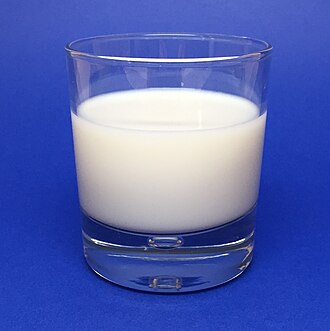
Photo: Wikipedia
Whole milk is the creamy, unadulterated liquid gold of the dairy world, with a rich, velvety texture and a naturally sweet, slightly tangy flavor. It's a complete food, packing high-quality protein, energy-dense fats, and essential nutrients like calcium and vitamin D into every glass. Its 3.25% milkfat content gives it a satisfying mouthfeel that skim or low-fat versions simply can't match.
Calorie split: 22% protein · 31% carbs · 48% fat
↓ Full nutrition💚 Why it's loved
People adore whole milk for its comforting, classic flavor and creamy richness that elevates everything from a morning bowl of cereal to a frothy latte. It's a cultural staple, evoking nostalgia and serving as a fundamental ingredient in countless family recipes worldwide.
⚠️ Watch-outs & how to enjoy it better
Whole milk is a common allergen (milk protein) and contains lactose, which can cause digestive issues for some. Its saturated fat and calorie content may be a concern for those monitoring heart health or weight. To counteract, consider lactose-free versions, pair it with high-fiber foods to slow sugar absorption, or use it in moderation as part of a balanced diet.
Key benefits
- Excellent source of high-quality, complete protein for muscle maintenance.
- Naturally rich in calcium and often fortified with vitamin D for bone health.
- The milkfat provides satiety and helps absorb fat-soluble vitamins (A, D, E, K).
- A versatile base for both sweet and savory culinary applications.
- A traditional, nutrient-dense beverage for growth and development.
🍽️ Popular dishes
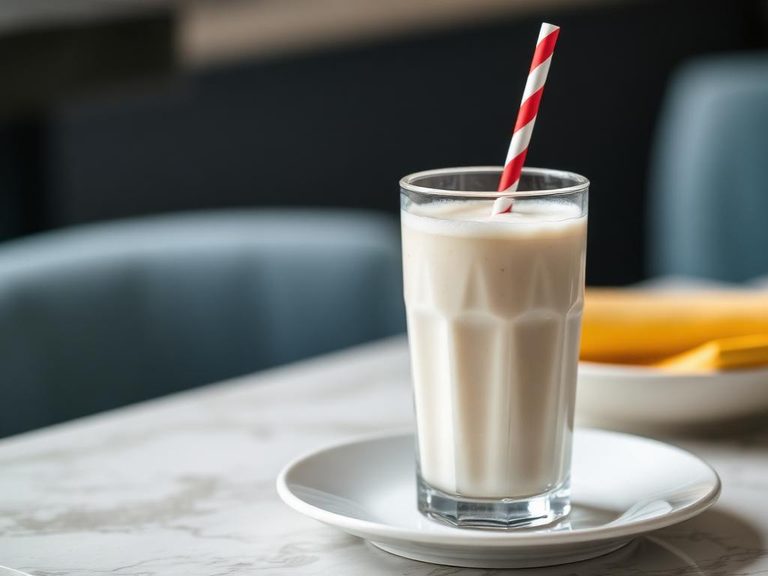
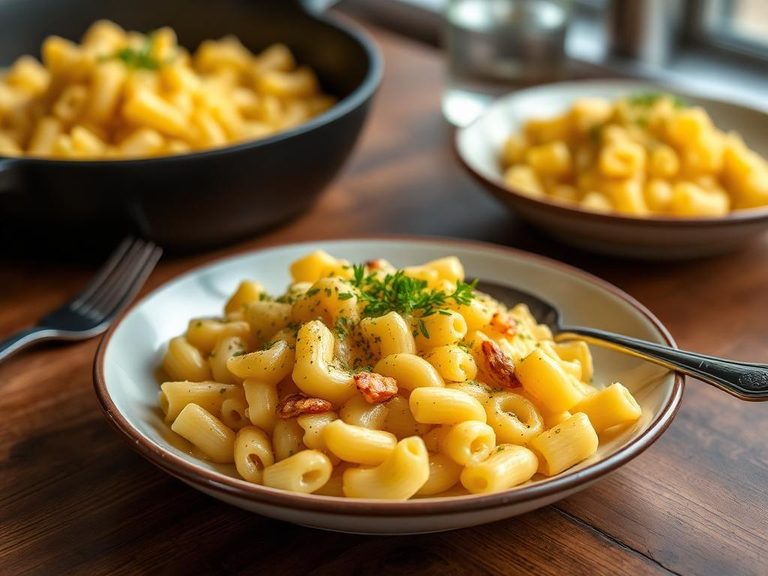
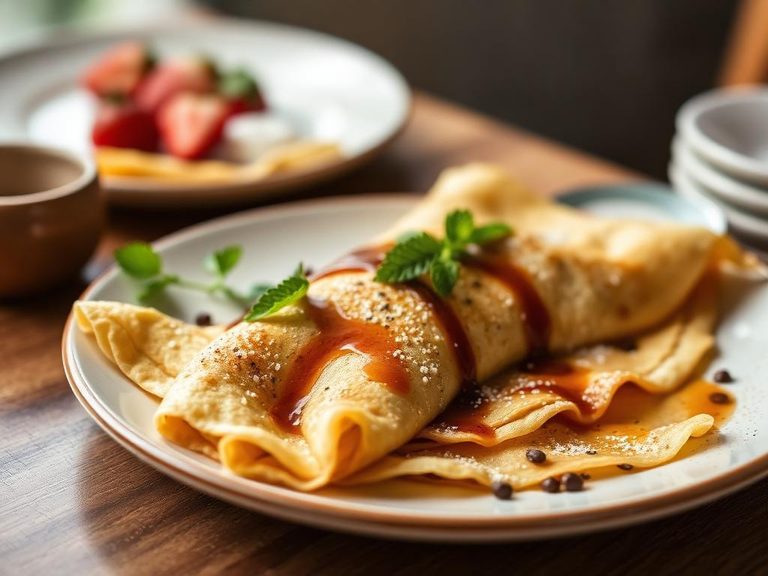

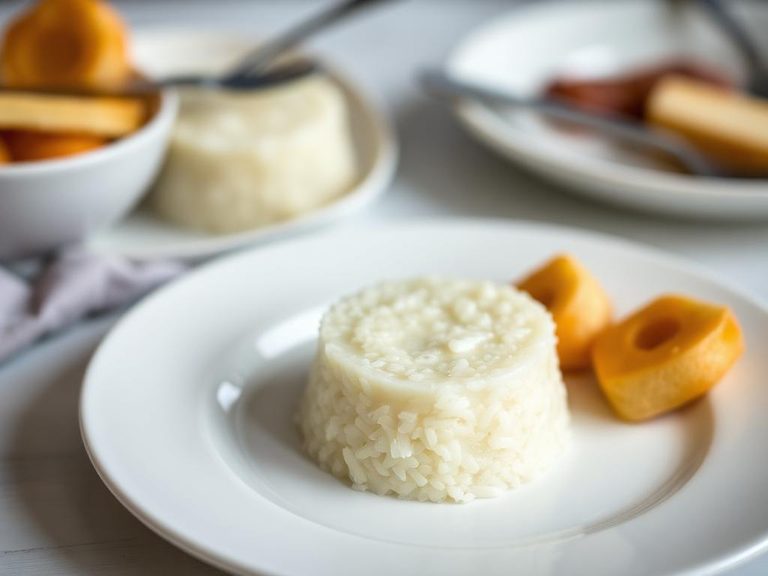
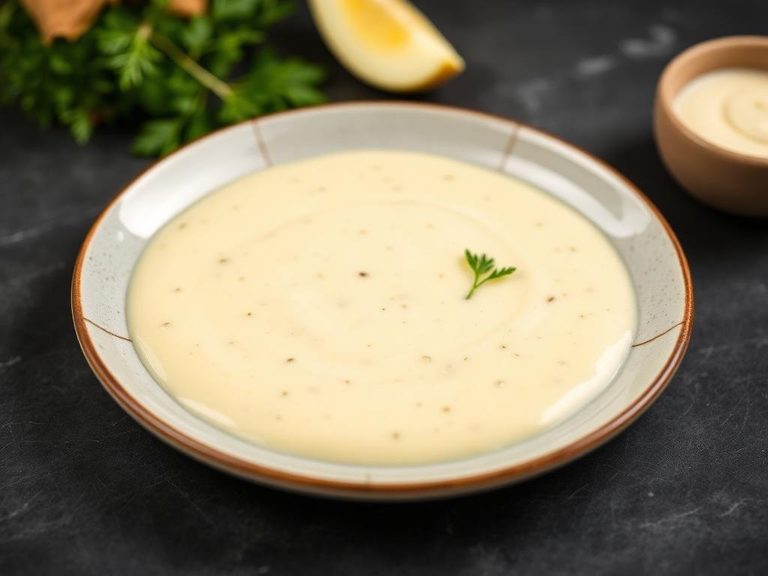
🌍 Where it's eaten
💡 Did you know?
The white color of milk comes from casein micelles, which scatter all wavelengths of visible light equally, making it appear white to our eyes.
Full nutrition (USDA data · scales with serving)
| Water | 88.1 g |
| Energy (Atwater General Factors) | 61.0 kcal |
| Energy (Atwater Specific Factors) | 60.0 kcal |
| Energy | 60.0 kcal |
| Energy | 251 kj |
| Nitrogen | 0.51 g |
| Protein | 3.3 g |
| Total lipid (fat) | 3.2 g |
| Total fat (NLEA) | 2.8 g |
| Ash | 0.80 g |
| Carbohydrate, by difference | 4.6 g |
| Sugars, Total | 4.8 g |
| Sucrose | 0.00 g |
| Glucose | 0.00 g |
| Fructose | 0.00 g |
| Lactose | 4.8 g |
| Maltose | 0.00 g |
| Galactose | 0.00 g |
| Calcium, Ca | 123 mg |
| Iron, Fe | 0.00 mg |
| Magnesium, Mg | 11.9 mg |
| Phosphorus, P | 101 mg |
| Potassium, K | 150 mg |
| Sodium, Na | 38.0 mg |
| Zinc, Zn | 0.42 mg |
| Copper, Cu | 0.00 mg |
| Manganese, Mn | 0.00 mg |
| Iodine, I | 37.9 ug |
| Selenium, Se | 1.9 ug |
| Thiamin | 0.06 mg |
| Riboflavin | 0.14 mg |
| Niacin | 0.10 mg |
| Pantothenic acid | 0.36 mg |
| Vitamin B-6 | 0.06 mg |
| Folate, total | 0.00 ug |
| Choline, total | 17.8 mg |
| Choline, free | 3.0 mg |
| Choline, from phosphocholine | 1.3 mg |
| Choline, from phosphotidyl choline | 1.8 mg |
| Choline, from glycerophosphocholine | 10.3 mg |
| Choline, from sphingomyelin | 1.4 mg |
| Betaine | 0.70 mg |
| Vitamin B-12 | 0.54 ug |
| Vitamin A, RAE | 32.0 ug |
| Retinol | 31.0 ug |
| Carotene, beta | 7.0 ug |
| cis-beta-Carotene | 2.0 ug |
| trans-beta-Carotene | 5.0 ug |
| Carotene, alpha | 0.00 ug |
| Cryptoxanthin, beta | 0.00 ug |
| Cryptoxanthin, alpha | 0.00 ug |
| Lycopene | 0.00 ug |
| cis-Lycopene | 0.00 ug |
| trans-Lycopene | 0.00 ug |
| cis-Lutein/Zeaxanthin | 0.00 ug |
| Lutein | 5.0 ug |
| Zeaxanthin | 1.0 ug |
| Vitamin E (alpha-tocopherol) | 0.05 mg |
| Tocopherol, beta | 0.00 mg |
| Tocopherol, gamma | 0.00 mg |
| Tocopherol, delta | 0.00 mg |
| Tocotrienol, alpha | 0.00 mg |
| Tocotrienol, beta | 0.00 mg |
| Tocotrienol, gamma | 0.00 mg |
| Tocotrienol, delta | 0.00 mg |
| Vitamin D (D2 + D3), International Units | 38.4 iu |
| Vitamin D (D2 + D3) | 0.96 ug |
| Vitamin D2 (ergocalciferol) | 0.00 ug |
| Vitamin D3 (cholecalciferol) | 0.96 ug |
| 25-hydroxycholecalciferol | 0.00 ug |
Fat & fatty acid profile (per 100g)
| Fatty acids, total saturated | 1.9 g |
| SFA 4:0 | 0.07 g |
| SFA 5:0 | 0.00 g |
| SFA 6:0 | 0.05 g |
| SFA 7:0 | 0.00 g |
| SFA 8:0 | 0.03 g |
| SFA 9:0 | 0.00 g |
| SFA 10:0 | 0.08 g |
| SFA 11:0 | 0.00 g |
| SFA 12:0 | 0.10 g |
| SFA 14:0 | 0.30 g |
| SFA 15:0 | 0.03 g |
| SFA 16:0 | 0.86 g |
| SFA 17:0 | 0.02 g |
| SFA 18:0 | 0.31 g |
| SFA 20:0 | 0.00 g |
| SFA 21:0 | 0.00 g |
| SFA 22:0 | 0.00 g |
| SFA 23:0 | 0.00 g |
| SFA 24:0 | 0.00 g |
| Fatty acids, total monounsaturated | 0.69 g |
| MUFA 12:1 | 0.00 g |
| MUFA 14:1 c | 0.02 g |
| MUFA 15:1 | 0.00 g |
| MUFA 16:1 c | 0.04 g |
| MUFA 17:1 | 0.01 g |
| MUFA 17:1 c | 0.01 g |
| MUFA 18:1 c | 0.61 g |
| MUFA 20:1 c | 0.00 g |
| MUFA 22:1 c | 0.00 g |
| MUFA 22:1 n-9 | 0.00 g |
| MUFA 22:1 n-11 | 0.00 g |
| MUFA 24:1 c | 0.00 g |
| Fatty acids, total polyunsaturated | 0.11 g |
| PUFA 18:2 c | 0.10 g |
| PUFA 18:2 n-6 c,c | 0.08 g |
| PUFA 18:2 CLAs | 0.01 g |
| PUFA 18:3 c | 0.01 g |
| PUFA 18:3 n-3 c,c,c (ALA) | 0.01 g |
| PUFA 18:3 n-6 c,c,c | 0.00 g |
| PUFA 18:4 | 0.00 g |
| PUFA 20:2 c | 0.00 g |
| PUFA 20:2 n-6 c,c | 0.00 g |
| PUFA 20:3 c | 0.00 g |
| PUFA 20:3 n-3 | 0.00 g |
| PUFA 20:3 n-6 | 0.00 g |
| PUFA 20:3 n-9 | 0.00 g |
| PUFA 22:3 | 0.00 g |
| PUFA 20:4 | 0.00 g |
| PUFA 20:4c | 0.00 g |
| PUFA 20:5c | 0.00 g |
| PUFA 20:5 n-3 (EPA) | 0.00 g |
| PUFA 22:2 | 0.00 g |
| PUFA 22:5 c | 0.00 g |
| PUFA 22:4 | 0.00 g |
| PUFA 22:5 n-3 (DPA) | 0.00 g |
| PUFA 22:6 c | 0.00 g |
| PUFA 22:6 n-3 (DHA) | 0.00 g |
| Fatty acids, total trans | 0.11 g |
| Fatty acids, total trans-monoenoic | 0.10 g |
| TFA 14:1 t | 0.01 g |
| TFA 16:1 t | 0.01 g |
| TFA 18:1 t | 0.08 g |
| TFA 20:1 t | 0.00 g |
| TFA 22:1 t | 0.00 g |
| Fatty acids, total trans-dienoic | 0.02 g |
| TFA 18:2 t not further defined | 0.02 g |
| Fatty acids, total trans-polyenoic | 0.00 g |
| TFA 18:3 t | 0.00 g |
| Cholesterol | 12.0 mg |
Amino acid profile (per 100g)
| Tryptophan | 0.04 g |
| Threonine | 0.15 g |
| Isoleucine | 0.17 g |
| Leucine | 0.33 g |
| Lysine | 0.30 g |
| Methionine | 0.09 g |
| Phenylalanine | 0.16 g |
| Tyrosine | 0.16 g |
| Valine | 0.21 g |
| Arginine | 0.13 g |
| Histidine | 0.10 g |
| Alanine | 0.11 g |
| Aspartic acid | 0.28 g |
| Glutamic acid | 0.79 g |
| Glycine | 0.07 g |
| Proline | 0.33 g |
| Serine | 0.19 g |
| Hydroxyproline | 0.00 g |
| Cysteine | 0.04 g |
FAQ
What does '3.25% milkfat' mean?
It means that by weight, 3.25% of the milk is fat. This is the standard fat content for whole milk in the U.S., providing its characteristic richness and flavor.
Is whole milk healthier than skim milk?
It depends on dietary needs. Whole milk provides more satiating fat and fat-soluble vitamins, while skim milk is lower in calories and saturated fat. Both are nutritious sources of protein and calcium.
Why is vitamin D added to milk?
Vitamin D is added (fortified) because it's not naturally abundant in milk. This public health practice helps prevent deficiencies and supports calcium absorption for stronger bones.
Nutrient density (calculated · NRF9.3)
Nutrient Rich Foods index: beneficial nutrients (protein, fiber, vitamins, minerals) minus saturated fat, added sugar & sodium, per 100 kcal.
NRF9.3 index — Fulgoni, Keast & Drewnowski, 2009. Computed from USDA nutrients.
Weight-loss friendliness (composite index)
Energy density 0.60 kcal/g · 22% calories from protein · 0.0 g fiber · 0.0 g sugar per 100 g.
Composite of energy density (Rolls et al., 1999), protein & fiber satiety, minus sugar. A calculated heuristic — ranks satiety-per-calorie, not a clinical measure.
Dietary load (calculated from USDA values)
Potential renal acid load. Positive = acid-forming, negative = alkaline-forming.
Sodium-to-potassium ratio: 0.25 (lower is better — aim for ≤ 1)
Sodium:potassium per WHO potassium guidance. Computed from USDA nutrients.