Milk, reduced fat, fluid, 2% milkfat, with added vitamin A and vitamin D
Whole food · Dairy and Egg Products

Photo: Wikipedia
This is the classic, everyday milk found in most American refrigerators, offering a balanced middle ground between rich whole milk and watery skim. It has a smooth, slightly creamy texture and a clean, mildly sweet dairy flavor that is neither heavy nor thin. Nutritionally, it provides a solid punch of protein and calcium for just 50 calories per 100 grams, making it a highly efficient source of nutrients.
💚 Why it's loved
People love it for its perfect balance—it feels substantial enough to be satisfying but light enough to drink a full glass without feeling heavy. It is a cultural staple in the West, used in everything from morning cereal to bedtime warm milk, representing comfort and everyday nourishment.
⚠️ Watch-outs & how to enjoy it better
The natural lactose can cause digestive distress for those with intolerance, and the sugars can cause blood-sugar spikes if consumed in large quantities without other foods. To counteract this, pair it with high-fiber foods like oats or whole-grain toast, or use it in savory dishes with protein to slow digestion. For those with mild lactose issues, consuming it in small portions or choosing lactose-free versions can help.
Key benefits
- Excellent source of high-quality protein for muscle maintenance
- Naturally rich in calcium and fortified with Vitamin D for bone health
- Provides a good balance of calories and nutrients for weight management
- Contains Vitamin A for eye and immune health
- Versatile base for both sweet and savory cooking
🍽️ Popular dishes
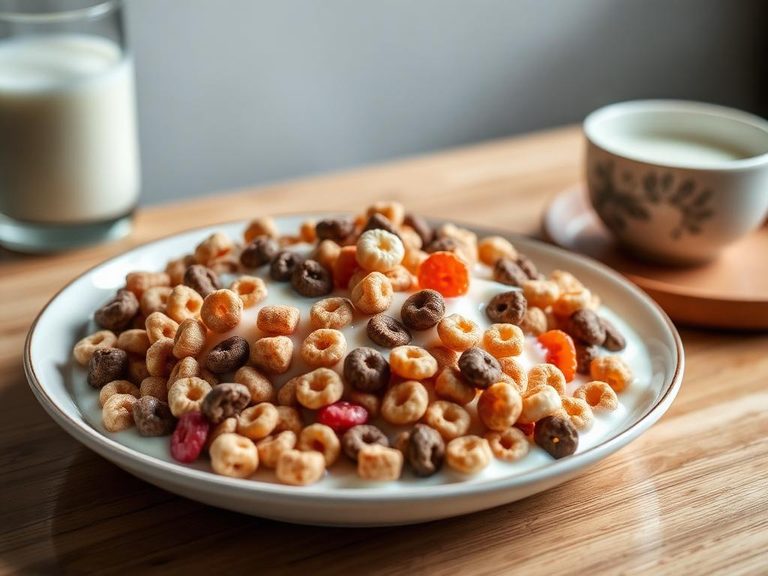

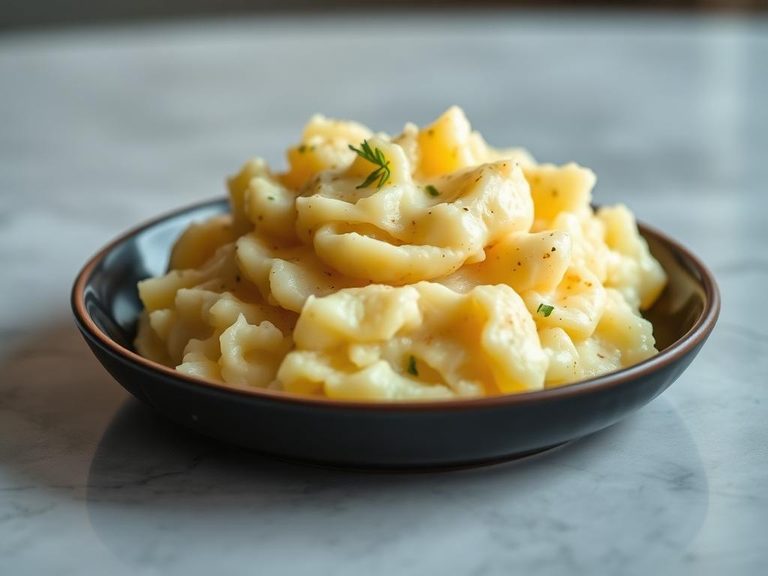
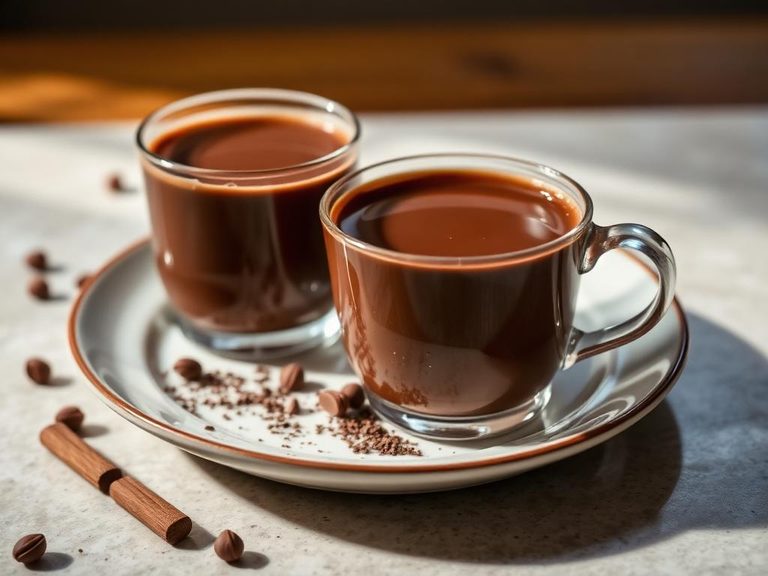
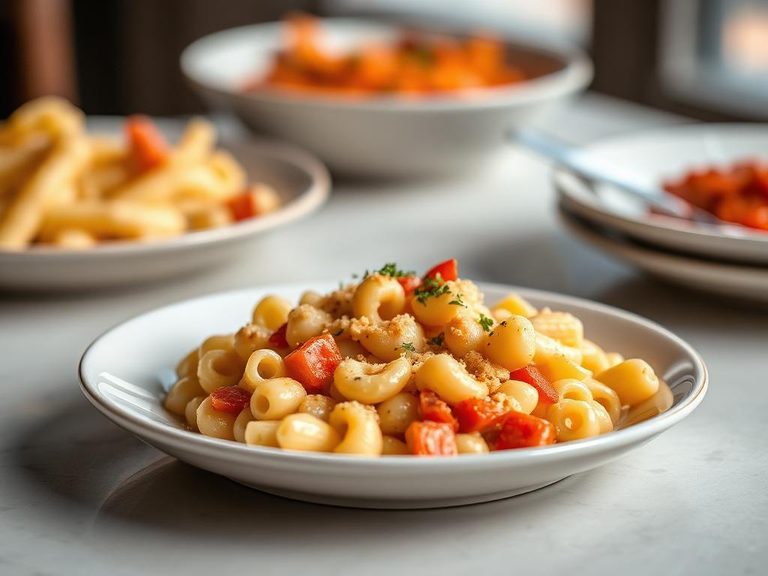
🌍 Where it's eaten
💡 Did you know?
The '2%' in 2% milk refers to the milkfat by weight, not the percentage of calories from fat—which is actually closer to 35% of the total calories.
Full nutrition (scales with serving)
| Water | 89.1 g |
| Energy | 50.0 kcal |
| Energy | 209 kj |
| Nitrogen | 0.53 g |
| Protein | 3.4 g |
| Total lipid (fat) | 1.9 g |
| Total fat (NLEA) | 1.6 g |
| Ash | 0.75 g |
| Carbohydrate, by difference | 4.9 g |
| Sugars, Total | 4.9 g |
| Sucrose | 0.00 g |
| Glucose | 0.00 g |
| Fructose | 0.00 g |
| Lactose | 4.9 g |
| Maltose | 0.00 g |
| Galactose | 0.00 g |
| Calcium, Ca | 126 mg |
| Iron, Fe | 0.00 mg |
| Magnesium, Mg | 12.0 mg |
| Phosphorus, P | 103 mg |
| Potassium, K | 159 mg |
| Sodium, Na | 39.0 mg |
| Zinc, Zn | 0.43 mg |
| Copper, Cu | 0.00 mg |
| Manganese, Mn | 0.00 mg |
| Iodine, I | 39.6 ug |
| Selenium, Se | 1.8 ug |
| Thiamin | 0.06 mg |
| Riboflavin | 0.14 mg |
| Niacin | 0.11 mg |
| Pantothenic acid | 0.39 mg |
| Vitamin B-6 | 0.06 mg |
| Folate, total | 2.0 ug |
| Choline, total | 18.2 mg |
| Choline, free | 3.1 mg |
| Choline, from phosphocholine | 1.1 mg |
| Choline, from phosphotidyl choline | 1.9 mg |
| Choline, from glycerophosphocholine | 11.0 mg |
| Choline, from sphingomyelin | 1.2 mg |
| Betaine | 0.70 mg |
| Vitamin B-12 | 0.55 ug |
| Vitamin A, RAE | 83.0 ug |
| Retinol | 83.0 ug |
| Carotene, beta | 3.0 ug |
| cis-beta-Carotene | 1.0 ug |
| trans-beta-Carotene | 2.0 ug |
| Carotene, alpha | 0.00 ug |
| Cryptoxanthin, beta | 0.00 ug |
| Cryptoxanthin, alpha | 0.00 ug |
| Lycopene | 0.00 ug |
| cis-Lycopene | 0.00 ug |
| trans-Lycopene | 0.00 ug |
| cis-Lutein/Zeaxanthin | 0.00 ug |
| Lutein | 0.00 ug |
| Zeaxanthin | 0.00 ug |
| Vitamin E (alpha-tocopherol) | 0.03 mg |
| Tocopherol, beta | 0.00 mg |
| Tocopherol, gamma | 0.00 mg |
| Tocopherol, delta | 0.00 mg |
| Tocotrienol, alpha | 0.00 mg |
| Tocotrienol, beta | 0.00 mg |
| Tocotrienol, gamma | 0.00 mg |
| Tocotrienol, delta | 0.00 mg |
| Vitamin D (D2 + D3), International Units | 45.0 iu |
| Vitamin D (D2 + D3) | 1.1 ug |
| Vitamin D2 (ergocalciferol) | 0.00 ug |
| Vitamin D3 (cholecalciferol) | 1.1 ug |
| 25-hydroxycholecalciferol | 0.00 ug |
| Fatty acids, total saturated | 1.1 g |
| SFA 4:0 | 0.04 g |
| SFA 5:0 | 0.00 g |
| SFA 6:0 | 0.03 g |
| SFA 7:0 | 0.00 g |
| SFA 8:0 | 0.02 g |
| SFA 9:0 | 0.00 g |
| SFA 10:0 | 0.05 g |
| SFA 11:0 | 0.00 g |
| SFA 12:0 | 0.06 g |
| SFA 14:0 | 0.18 g |
| SFA 15:0 | 0.02 g |
| SFA 16:0 | 0.51 g |
| SFA 17:0 | 0.01 g |
| SFA 18:0 | 0.18 g |
| SFA 20:0 | 0.00 g |
| SFA 21:0 | 0.00 g |
| SFA 22:0 | 0.00 g |
| SFA 23:0 | 0.00 g |
| SFA 24:0 | 0.00 g |
| Fatty acids, total monounsaturated | 0.40 g |
| MUFA 12:1 | 0.00 g |
| MUFA 14:1 c | 0.01 g |
| MUFA 15:1 | 0.00 g |
| MUFA 16:1 c | 0.02 g |
| MUFA 17:1 | 0.00 g |
| MUFA 17:1 c | 0.00 g |
| MUFA 18:1 c | 0.36 g |
| MUFA 20:1 c | 0.00 g |
| MUFA 22:1 c | 0.00 g |
| MUFA 22:1 n-9 | 0.00 g |
| MUFA 22:1 n-11 | 0.00 g |
| MUFA 24:1 c | 0.00 g |
| Fatty acids, total polyunsaturated | 0.06 g |
| PUFA 18:2 c | 0.05 g |
| PUFA 18:2 n-6 c,c | 0.04 g |
| PUFA 18:2 CLAs | 0.01 g |
| PUFA 18:3 c | 0.01 g |
| PUFA 18:3 n-3 c,c,c (ALA) | 0.01 g |
| PUFA 18:3 n-6 c,c,c | 0.00 g |
| PUFA 18:4 | 0.00 g |
| PUFA 20:2 c | 0.00 g |
| PUFA 20:2 n-6 c,c | 0.00 g |
| PUFA 20:3 c | 0.00 g |
| PUFA 20:3 n-3 | 0.00 g |
| PUFA 20:3 n-6 | 0.00 g |
| PUFA 20:3 n-9 | 0.00 g |
| PUFA 22:3 | 0.00 g |
| PUFA 20:4 | 0.00 g |
| PUFA 20:4c | 0.00 g |
| PUFA 20:5c | 0.00 g |
| PUFA 20:5 n-3 (EPA) | 0.00 g |
| PUFA 22:2 | 0.00 g |
| PUFA 22:5 c | 0.00 g |
| PUFA 22:4 | 0.00 g |
| PUFA 22:5 n-3 (DPA) | 0.00 g |
| PUFA 22:6 c | 0.00 g |
| PUFA 22:6 n-3 (DHA) | 0.00 g |
| Fatty acids, total trans | 0.07 g |
| Fatty acids, total trans-monoenoic | 0.06 g |
| TFA 14:1 t | 0.00 g |
| TFA 16:1 t | 0.01 g |
| TFA 18:1 t | 0.05 g |
| TFA 20:1 t | 0.00 g |
| TFA 22:1 t | 0.00 g |
| Fatty acids, total trans-dienoic | 0.01 g |
| TFA 18:2 t not further defined | 0.01 g |
| Fatty acids, total trans-polyenoic | 0.00 g |
| TFA 18:3 t | 0.00 g |
| Cholesterol | 8.0 mg |
| Tryptophan | 0.04 g |
| Threonine | 0.16 g |
| Isoleucine | 0.17 g |
| Leucine | 0.34 g |
| Lysine | 0.29 g |
| Methionine | 0.09 g |
| Phenylalanine | 0.16 g |
| Tyrosine | 0.17 g |
| Valine | 0.21 g |
| Arginine | 0.13 g |
| Histidine | 0.10 g |
| Alanine | 0.11 g |
| Aspartic acid | 0.29 g |
| Glutamic acid | 0.80 g |
| Glycine | 0.07 g |
| Proline | 0.33 g |
| Serine | 0.20 g |
| Hydroxyproline | 0.00 g |
| Cysteine | 0.04 g |
FAQ
Is 2% milk the same as reduced-fat milk?
Yes, '2% milk' is a common name for milk that has been reduced to 2% milkfat by weight, which is a standard classification for reduced-fat milk.
How does 2% milk compare to whole milk in calories?
2% milk has about 120 calories per cup, while whole milk has about 150 calories per cup, making 2% a lower-calorie option with a similar protein and calcium profile.
Can I use 2% milk in baking?
Absolutely. It works well in most baking recipes, providing moisture and a mild dairy flavor without the heaviness of whole milk.