

Fish, cod, Pacific, raw (may have been previously frozen)
Whole food · Finfish and Shellfish Products

Photo: Wikipedia
Pacific cod is a lean, mild white fish with a delicate, flaky texture and a subtly sweet, clean flavor. Its flesh is translucent when raw, turning opaque and tender upon cooking, making it a versatile canvas for bold seasonings. Nutritionally, it is an exceptional source of high-quality protein with virtually no fat or carbohydrates.
Calorie split: 94% protein · 0% carbs · 6% fat
↓ Full nutrition💚 Why it's loved
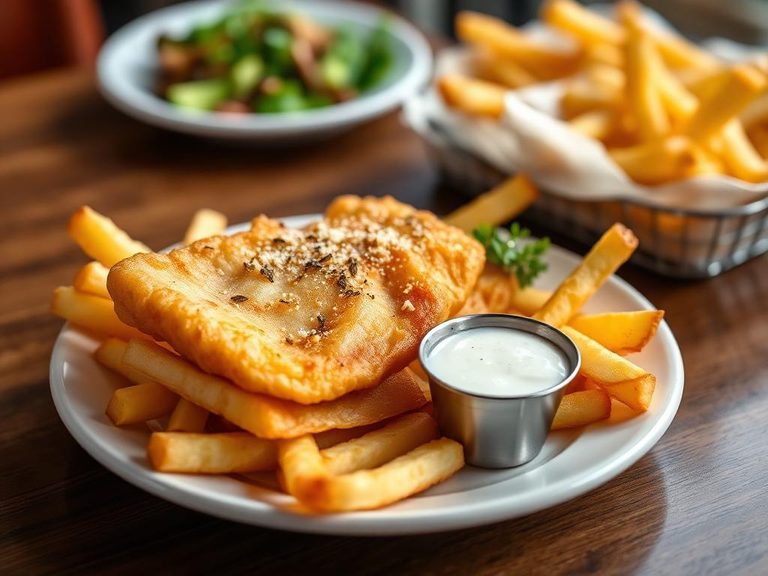
People love Pacific cod for its mild, non-fishy taste and its incredible versatility—it absorbs marinades, spices, and sauces beautifully. It's a staple in comfort foods like fish and chips and is cherished in many cultures for its reliable, satisfying texture.
⚠️ Watch-outs & how to enjoy it better
The primary caution is that raw fish, including cod, can carry parasites or bacteria like *Vibrio*; it should be frozen to -4°F (-20°C) for 7 days or -4°F (-20°C) for 15 hours to kill parasites before consumption if not previously frozen. Those with fish allergies should avoid it entirely. To counteract the risk, always source from reputable suppliers, ensure it's properly frozen, and cook to an internal temperature of 145°F (63°C) if concerned.
Key benefits
- Extremely high in protein (15g per 100g) for muscle maintenance and satiety.
- Very low in calories (69 kcal per 100g), ideal for weight management.
- Virtually fat-free (0.4g per 100g), making it a heart-healthy choice.
- Contains essential minerals like selenium and phosphorus.
- A good source of B vitamins, particularly B12 and niacin.
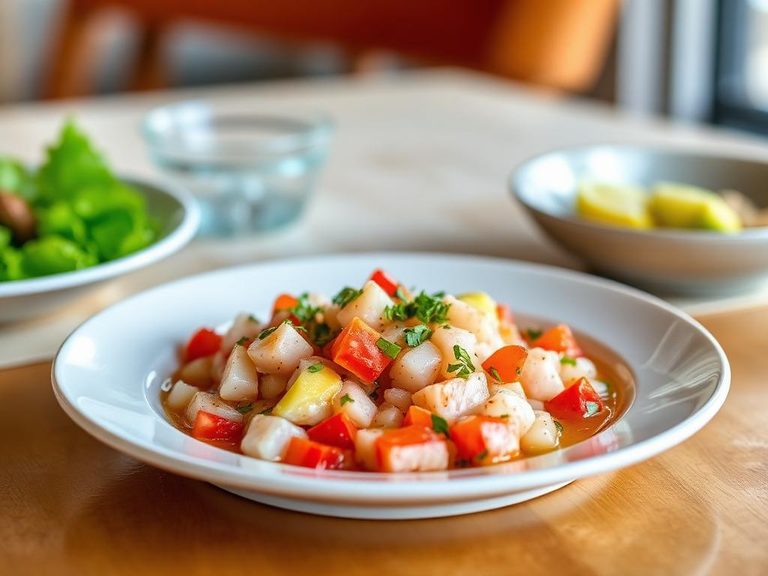
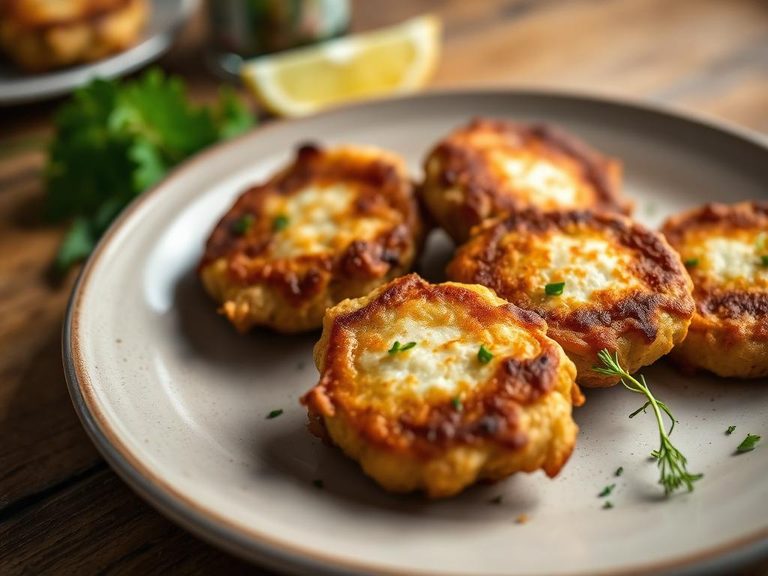
🍽️ Popular dishes
🌍 Where it's eaten
💡 Did you know?
The name 'cod' comes from the Old English word 'codd,' meaning 'bag' or 'pouch,' likely referring to the fish's large, bag-like belly.
Full nutrition (USDA data · scales with serving)
| Water | 84.0 g |
| Energy | 69.0 kcal |
| Energy | 288 kj |
| Protein | 15.3 g |
| Total lipid (fat) | 0.41 g |
| Ash | 1.5 g |
| Carbohydrate, by difference | 0.00 g |
| Fiber, total dietary | 0.00 g |
| Total Sugars | 0.00 g |
| Glucose | 0.00 g |
| Fructose | 0.00 g |
| Lactose | 0.00 g |
| Maltose | 0.00 g |
| Galactose | 0.00 g |
| Starch | 0.00 g |
| Calcium, Ca | 8.0 mg |
| Iron, Fe | 0.16 mg |
| Magnesium, Mg | 20.0 mg |
| Phosphorus, P | 281 mg |
| Potassium, K | 235 mg |
| Sodium, Na | 303 mg |
| Zinc, Zn | 0.31 mg |
| Copper, Cu | 0.02 mg |
| Manganese, Mn | 0.01 mg |
| Selenium, Se | 22.9 ug |
| Vitamin C, total ascorbic acid | 0.00 mg |
| Thiamin | 0.03 mg |
| Riboflavin | 0.04 mg |
| Niacin | 1.1 mg |
| Pantothenic acid | 0.29 mg |
| Vitamin B-6 | 0.12 mg |
| Folate, total | 7.0 ug |
| Folic acid | 0.00 ug |
| Folate, food | 7.0 ug |
| Folate, DFE | 7.0 ug |
| Choline, total | 65.0 mg |
| Vitamin B-12 | 2.0 ug |
| Vitamin B-12, added | 0.00 ug |
| Vitamin A, RAE | 2.0 ug |
| Retinol | 2.0 ug |
| Carotene, beta | 0.00 ug |
| Carotene, alpha | 0.00 ug |
| Cryptoxanthin, beta | 0.00 ug |
| Vitamin A, IU | 6.0 iu |
| Lycopene | 0.00 ug |
| Lutein + zeaxanthin | 0.00 ug |
| Vitamin E (alpha-tocopherol) | 0.54 mg |
| Vitamin E, added | 0.00 mg |
| Tocopherol, beta | 0.00 mg |
| Tocopherol, gamma | 0.00 mg |
| Tocopherol, delta | 0.00 mg |
| Tocotrienol, alpha | 0.00 mg |
| Tocotrienol, beta | 0.00 mg |
| Tocotrienol, gamma | 0.00 mg |
| Tocotrienol, delta | 0.00 mg |
| Vitamin D (D2 + D3), International Units | 20.0 iu |
| Vitamin D (D2 + D3) | 0.50 ug |
| Vitamin D3 (cholecalciferol) | 0.50 ug |
| Vitamin K (phylloquinone) | 0.00 ug |
| Vitamin K (Dihydrophylloquinone) | 0.00 ug |
| Vitamin K (Menaquinone-4) | 0.00 ug |
| Alcohol, ethyl | 0.00 g |
| Caffeine | 0.00 mg |
| Theobromine | 0.00 mg |
Fat & fatty acid profile (per 100g)
| Fatty acids, total saturated | 0.09 g |
| SFA 4:0 | 0.00 g |
| SFA 6:0 | 0.00 g |
| SFA 8:0 | 0.00 g |
| SFA 10:0 | 0.00 g |
| SFA 12:0 | 0.00 g |
| SFA 14:0 | 0.00 g |
| SFA 15:0 | 0.00 g |
| SFA 16:0 | 0.06 g |
| SFA 17:0 | 0.00 g |
| SFA 18:0 | 0.02 g |
| SFA 20:0 | 0.00 g |
| SFA 22:0 | 0.00 g |
| SFA 24:0 | 0.00 g |
| Fatty acids, total monounsaturated | 0.07 g |
| MUFA 14:1 | 0.00 g |
| MUFA 15:1 | 0.00 g |
| MUFA 16:1 | 0.00 g |
| MUFA 16:1 c | 0.00 g |
| MUFA 17:1 | 0.01 g |
| MUFA 18:1 | 0.04 g |
| MUFA 18:1 c | 0.04 g |
| MUFA 20:1 | 0.01 g |
| MUFA 22:1 | 0.00 g |
| MUFA 22:1 c | 0.00 g |
| MUFA 24:1 c | 0.00 g |
| Fatty acids, total polyunsaturated | 0.16 g |
| PUFA 18:2 | 0.02 g |
| PUFA 18:2 n-6 c,c | 0.01 g |
| PUFA 18:2 CLAs | 0.00 g |
| PUFA 18:3 | 0.00 g |
| PUFA 18:3 n-3 c,c,c (ALA) | 0.00 g |
| PUFA 18:3 n-6 c,c,c | 0.00 g |
| PUFA 18:4 | 0.00 g |
| PUFA 20:2 n-6 c,c | 0.00 g |
| PUFA 20:3 | 0.00 g |
| PUFA 20:3 n-3 | 0.00 g |
| PUFA 20:3 n-6 | 0.00 g |
| PUFA 20:4 | 0.01 g |
| PUFA 20:5 n-3 (EPA) | 0.03 g |
| PUFA 22:4 | 0.00 g |
| PUFA 22:5 n-3 (DPA) | 0.00 g |
| PUFA 22:6 n-3 (DHA) | 0.10 g |
| Fatty acids, total trans | 0.01 g |
| Fatty acids, total trans-monoenoic | 0.00 g |
| TFA 16:1 t | 0.00 g |
| TFA 18:1 t | 0.00 g |
| TFA 22:1 t | 0.00 g |
| TFA 18:2 t not further defined | 0.00 g |
| Fatty acids, total trans-polyenoic | 0.00 g |
| Cholesterol | 47.0 mg |
Amino acid profile (per 100g)
| Tryptophan | 0.19 g |
| Threonine | 0.66 g |
| Isoleucine | 0.68 g |
| Leucine | 1.2 g |
| Lysine | 1.4 g |
| Methionine | 0.42 g |
| Cystine | 0.14 g |
| Phenylalanine | 0.59 g |
| Tyrosine | 0.55 g |
| Valine | 0.73 g |
| Arginine | 0.98 g |
| Histidine | 0.32 g |
| Alanine | 0.88 g |
| Aspartic acid | 1.5 g |
| Glutamic acid | 2.3 g |
| Glycine | 0.71 g |
| Proline | 0.51 g |
| Serine | 0.65 g |
FAQ
Is Pacific cod the same as Atlantic cod?
No, they are different species. Pacific cod (Gadus macrocephalus) is found in the North Pacific, while Atlantic cod (Gadus morhua) is from the North Atlantic. They have similar mild flavors but Pacific cod is often slightly sweeter and has a finer flake.
How can I tell if raw cod is fresh?
Fresh cod should have a mild, ocean-like smell, not a strong fishy odor. The flesh should be firm, translucent, and moist, with no discoloration or sliminess.
What's the best way to cook cod to keep it moist?
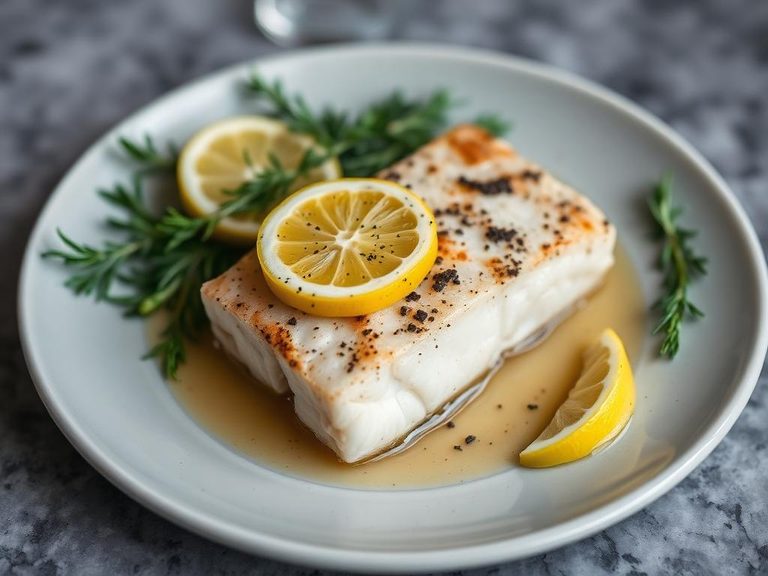
Baking, poaching, or steaming are excellent methods. Avoid overcooking, as it dries out quickly. A quick pan-sear with butter or baking in a parchment packet (en papillote) helps retain moisture.
Can I eat raw cod like sushi?
Only if it has been commercially flash-frozen to kill parasites, as per FDA guidelines. Never consume raw fish that hasn't been properly treated, due to the risk of parasites and bacteria.
Nutrient density (calculated · NRF9.3)
Nutrient Rich Foods index: beneficial nutrients (protein, fiber, vitamins, minerals) minus saturated fat, added sugar & sodium, per 100 kcal.
NRF9.3 index — Fulgoni, Keast & Drewnowski, 2009. Computed from USDA nutrients.
Weight-loss friendliness (composite index)
Energy density 0.69 kcal/g · 89% calories from protein · 0.0 g fiber · 0.0 g sugar per 100 g.
Composite of energy density (Rolls et al., 1999), protein & fiber satiety, minus sugar. A calculated heuristic — ranks satiety-per-calorie, not a clinical measure.
Dietary load (calculated from USDA values)
Potential renal acid load. Positive = acid-forming, negative = alkaline-forming.
Sodium-to-potassium ratio: 1.29 (lower is better — aim for ≤ 1)
Sodium:potassium per WHO potassium guidance. Computed from USDA nutrients.