

Fish, tuna, light, canned in water, drained solids
Whole food · Finfish and Shellfish Products
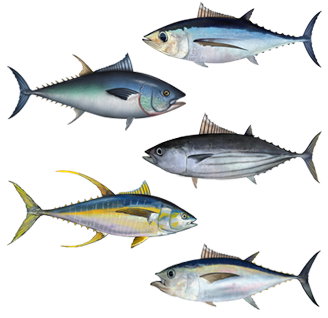
Photo: Wikipedia
This is lean, protein-packed tuna, preserved in its own juices and drained, offering a firm, flaky texture with a mild, clean ocean flavor. It's a nutritional powerhouse, delivering an impressive 19 grams of complete protein per 100 grams with virtually no fat or carbohydrates. Think of it as the ultimate high-protein, low-calorie staple for quick, healthy meals.
Calorie split: 90% protein · 0% carbs · 10% fat
↓ Full nutrition💚 Why it's loved
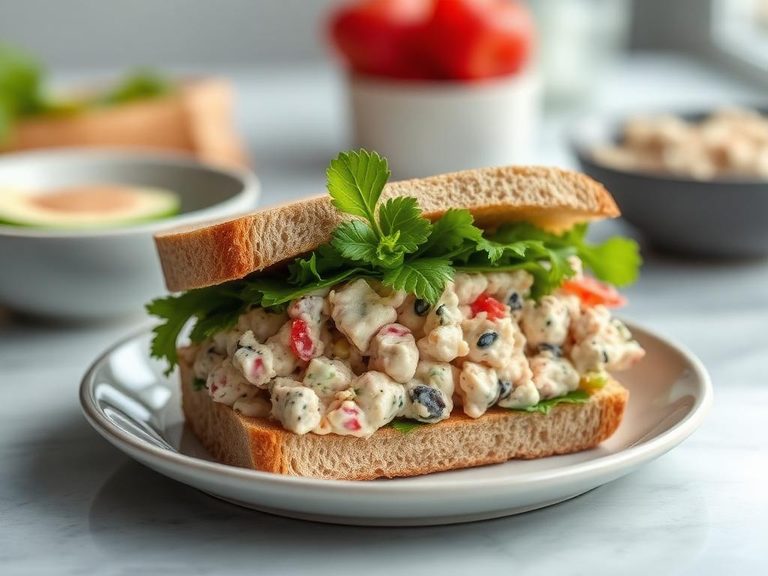
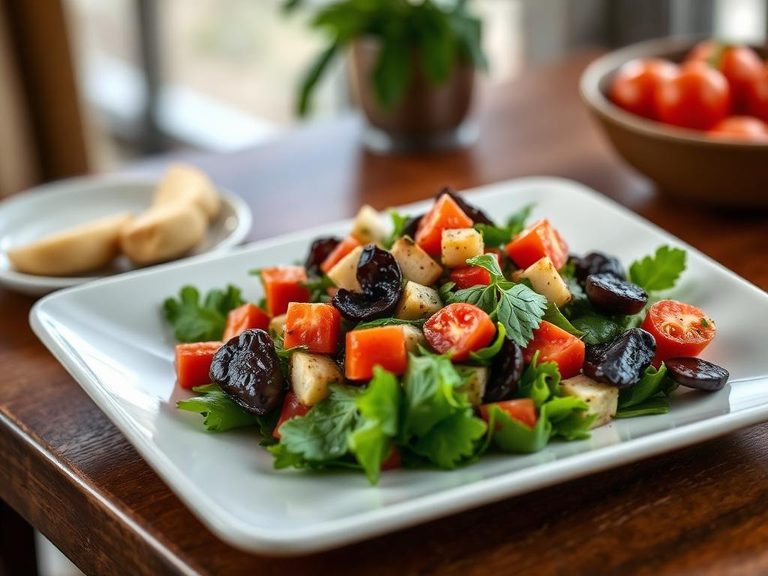
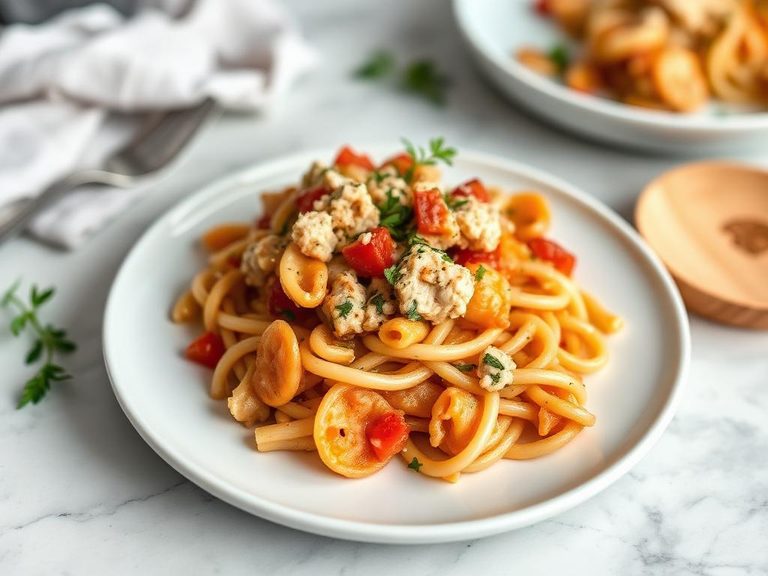
People adore it for its incredible convenience and versatility—it's a ready-to-eat protein boost that can be mixed into salads, sandwiches, or pasta in minutes. Its mild flavor acts as a blank canvas, easily absorbing dressings, spices, and other ingredients.
⚠️ Watch-outs & how to enjoy it better
A common concern is the potential for mercury content in tuna; to mitigate this, choose brands labeled 'light' (typically skipjack) which have lower mercury levels than 'white' (albacore), and limit intake to 2-3 servings per week. It can also be high in sodium, so look for 'low sodium' versions or rinse the drained solids briefly under water to reduce salt content by up to 40%.
Key benefits
- Excellent source of lean, complete protein for muscle maintenance
- Very low in calories and virtually fat-free
- Zero carbohydrates, making it ideal for low-carb diets
- Rich in selenium, an important antioxidant mineral
- Provides a good source of niacin (vitamin B3) for energy metabolism
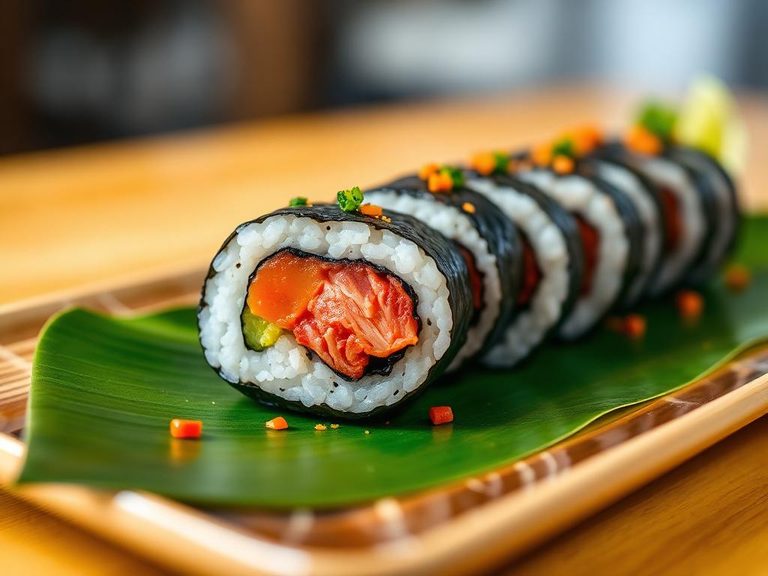
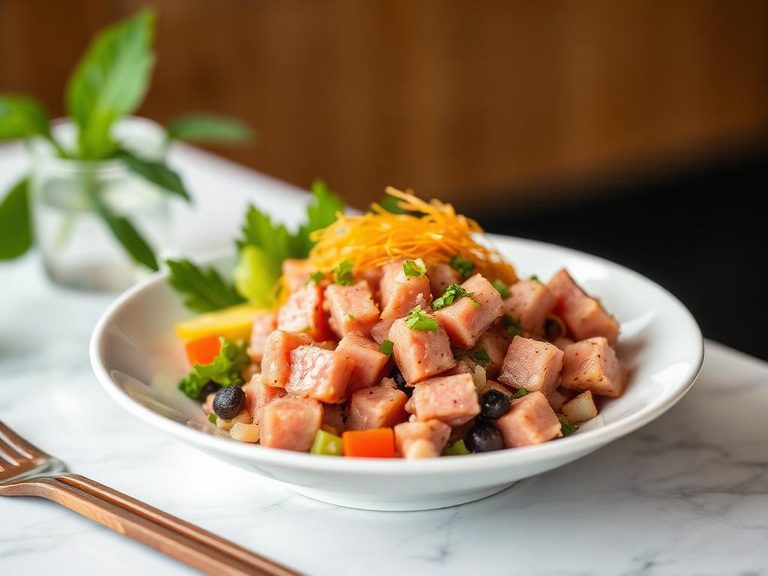
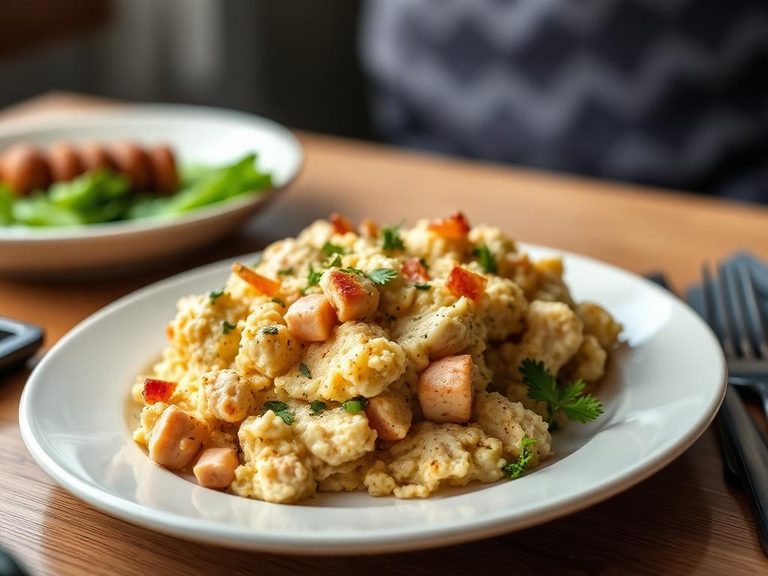
🍽️ Popular dishes
🌍 Where it's eaten
💡 Did you know?
The modern canned tuna industry was essentially born out of a need to preserve fish for U.S. troops during World War I, with the first large-scale tuna cannery opening in California in 1903.
Full nutrition (USDA data · scales with serving)
| Water | 79.0 g |
| Energy (Atwater General Factors) | 85.0 kcal |
| Energy (Atwater Specific Factors) | 90.0 kcal |
| Energy | 90.0 kcal |
| Energy | 376 kj |
| Nitrogen | 3.0 g |
| Protein | 19.0 g |
| Total lipid (fat) | 0.94 g |
| Total fat (NLEA) | 0.60 g |
| Ash | 0.98 g |
| Carbohydrate, by difference | 0.08 g |
| Sugars, Total | 0.00 g |
| Sucrose | 0.00 g |
| Glucose | 0.00 g |
| Fructose | 0.00 g |
| Lactose | 0.00 g |
| Maltose | 0.00 g |
| Galactose | 0.00 g |
| Calcium, Ca | 18.0 mg |
| Iron, Fe | 1.7 mg |
| Magnesium, Mg | 22.7 mg |
| Phosphorus, P | 137 mg |
| Potassium, K | 176 mg |
| Sodium, Na | 219 mg |
| Zinc, Zn | 0.66 mg |
| Copper, Cu | 0.05 mg |
| Manganese, Mn | 0.02 mg |
| Iodine, I | 0.00 ug |
| Selenium, Se | 67.8 ug |
| Thiamin | 0.03 mg |
| Riboflavin | 0.08 mg |
| Niacin | 9.9 mg |
| Pantothenic acid | 0.15 mg |
| Vitamin B-6 | 0.32 mg |
| Vitamin B-12 | 2.6 ug |
| Vitamin D (D2 + D3), International Units | 47.0 iu |
| Vitamin D (D2 + D3) | 1.2 ug |
| Vitamin D3 (cholecalciferol) | 1.2 ug |
| 25-hydroxycholecalciferol | 0.00 ug |
Fat & fatty acid profile (per 100g)
| Fatty acids, total saturated | 0.22 g |
| SFA 4:0 | 0.00 g |
| SFA 5:0 | 0.00 g |
| SFA 6:0 | 0.00 g |
| SFA 7:0 | 0.00 g |
| SFA 8:0 | 0.00 g |
| SFA 9:0 | 0.00 g |
| SFA 10:0 | 0.00 g |
| SFA 11:0 | 0.00 g |
| SFA 12:0 | 0.00 g |
| SFA 14:0 | 0.01 g |
| SFA 15:0 | 0.01 g |
| SFA 16:0 | 0.13 g |
| SFA 17:0 | 0.01 g |
| SFA 18:0 | 0.05 g |
| SFA 20:0 | 0.00 g |
| SFA 21:0 | 0.00 g |
| SFA 22:0 | 0.00 g |
| SFA 23:0 | 0.00 g |
| SFA 24:0 | 0.00 g |
| Fatty acids, total monounsaturated | 0.11 g |
| MUFA 12:1 | 0.00 g |
| MUFA 14:1 c | 0.00 g |
| MUFA 15:1 | 0.00 g |
| MUFA 16:1 c | 0.02 g |
| MUFA 17:1 | 0.00 g |
| MUFA 17:1 c | 0.00 g |
| MUFA 18:1 c | 0.09 g |
| MUFA 20:1 | 0.00 g |
| MUFA 20:1 c | 0.00 g |
| MUFA 22:1 c | 0.00 g |
| MUFA 22:1 n-9 | 0.00 g |
| MUFA 22:1 n-11 | 0.00 g |
| MUFA 24:1 c | 0.01 g |
| Fatty acids, total polyunsaturated | 0.26 g |
| PUFA 18:2 c | 0.01 g |
| PUFA 18:2 n-6 c,c | 0.01 g |
| PUFA 18:2 CLAs | 0.00 g |
| PUFA 18:3 c | 0.00 g |
| PUFA 18:3 n-3 c,c,c (ALA) | 0.00 g |
| PUFA 18:3 n-6 c,c,c | 0.00 g |
| PUFA 18:4 | 0.00 g |
| PUFA 20:2 c | 0.00 g |
| PUFA 20:2 n-6 c,c | 0.00 g |
| PUFA 20:3 c | 0.00 g |
| PUFA 20:3 n-3 | 0.00 g |
| PUFA 20:3 n-6 | 0.00 g |
| PUFA 20:3 n-9 | 0.00 g |
| PUFA 22:3 | 0.00 g |
| PUFA 20:4 | 0.02 g |
| PUFA 20:4c | 0.02 g |
| PUFA 20:5c | 0.03 g |
| PUFA 20:5 n-3 (EPA) | 0.03 g |
| PUFA 22:2 | 0.00 g |
| PUFA 22:5 c | 0.00 g |
| PUFA 22:4 | 0.00 g |
| PUFA 22:5 n-3 (DPA) | 0.00 g |
| PUFA 22:6 c | 0.20 g |
| PUFA 22:6 n-3 (DHA) | 0.20 g |
| Fatty acids, total trans | 0.00 g |
| Fatty acids, total trans-monoenoic | 0.00 g |
| TFA 14:1 t | 0.00 g |
| TFA 16:1 t | 0.00 g |
| TFA 18:1 t | 0.00 g |
| TFA 20:1 t | 0.00 g |
| TFA 22:1 t | 0.00 g |
| Fatty acids, total trans-dienoic | 0.00 g |
| TFA 18:2 t not further defined | 0.00 g |
| Fatty acids, total trans-polyenoic | 0.00 g |
| TFA 18:3 t | 0.00 g |
| Cholesterol | 36.0 mg |
Amino acid profile (per 100g)
Estimated from Fish, fish sticks, frozen, prepared — USDA does not publish this profile for Fish.
| Tryptophan | 0.12 g |
| Threonine | 0.37 g |
| Isoleucine | 0.43 g |
| Leucine | 0.85 g |
| Lysine | 0.80 g |
| Methionine | 0.30 g |
| Phenylalanine | 0.47 g |
| Tyrosine | 0.29 g |
| Valine | 0.50 g |
| Arginine | 0.59 g |
| Histidine | 0.23 g |
| Alanine | 0.55 g |
| Aspartic acid | 0.82 g |
| Glutamic acid | 2.3 g |
| Glycine | 0.47 g |
| Proline | 0.78 g |
| Serine | 0.49 g |
| Hydroxyproline | 0.00 g |
FAQ
What's the difference between 'tuna in water' and 'tuna in oil'?
Tuna in water is lower in calories and fat, as the water adds no extra fats. Tuna in oil (like olive or soybean oil) is higher in calories and fat, but some people prefer the richer flavor and moister texture it provides. The oil can be drained to reduce fat content.
Is canned tuna cooked?
Yes. The tuna is fully cooked during the canning process, which involves sealing the fish in the can and heating it to high temperatures to kill bacteria and make it shelf-stable. It is safe to eat straight from the can.
How can I reduce the 'fishy' taste or smell?
Rinsing the drained solids under cold water can help. You can also mix it with acidic ingredients like lemon juice or vinegar, or creamy ingredients like Greek yogurt or mayonnaise, which help balance and mask stronger flavors.
Nutrient density (calculated · NRF9.3)
Nutrient Rich Foods index: beneficial nutrients (protein, fiber, vitamins, minerals) minus saturated fat, added sugar & sodium, per 100 kcal.
NRF9.3 index — Fulgoni, Keast & Drewnowski, 2009. Computed from USDA nutrients.
Weight-loss friendliness (composite index)
Energy density 0.90 kcal/g · 84% calories from protein · 0.0 g fiber · 0.0 g sugar per 100 g.
Composite of energy density (Rolls et al., 1999), protein & fiber satiety, minus sugar. A calculated heuristic — ranks satiety-per-calorie, not a clinical measure.
Dietary load (calculated from USDA values)
Potential renal acid load. Positive = acid-forming, negative = alkaline-forming.
Sodium-to-potassium ratio: 1.24 (lower is better — aim for ≤ 1)
Sodium:potassium per WHO potassium guidance. Computed from USDA nutrients.