

Fish, salmon, Atlantic, farmed, cooked, dry heat
Whole food · Finfish and Shellfish Products
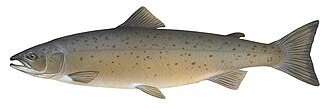
Photo: Wikipedia
This is a cooked fillet of farmed Atlantic salmon, prepared with dry heat methods like baking or grilling. It boasts a rich, buttery flavor with a moist, flaky texture that separates easily into tender flakes. Nutritionally, it's a powerhouse of high-quality protein and heart-healthy fats, providing over 22 grams of protein with zero carbohydrates per 100g serving.
Calorie split: 44% protein · 0% carbs · 56% fat
↓ Full nutrition💚 Why it's loved
People adore its luxurious, melt-in-the-mouth richness and versatility—it can be the star of a simple weeknight dinner or an elegant centerpiece. Its robust flavor holds up beautifully to a wide range of seasonings, from sweet maple glazes to savory herb crusts.
⚠️ Watch-outs & how to enjoy it better
As a common fish allergen, it must be avoided by those with specific allergies. Farmed salmon can contain slightly higher levels of certain contaminants like PCBs compared to wild varieties, though levels are generally within safety limits. To minimize exposure, you can vary your seafood choices and trim any visible fat before cooking.
Key benefits
- Excellent source of high-quality complete protein for muscle maintenance.
- Rich in omega-3 fatty acids (EPA and DHA) for heart and brain health.
- Provides significant amounts of vitamin D and B12.
- Contains selenium, an important antioxidant mineral.
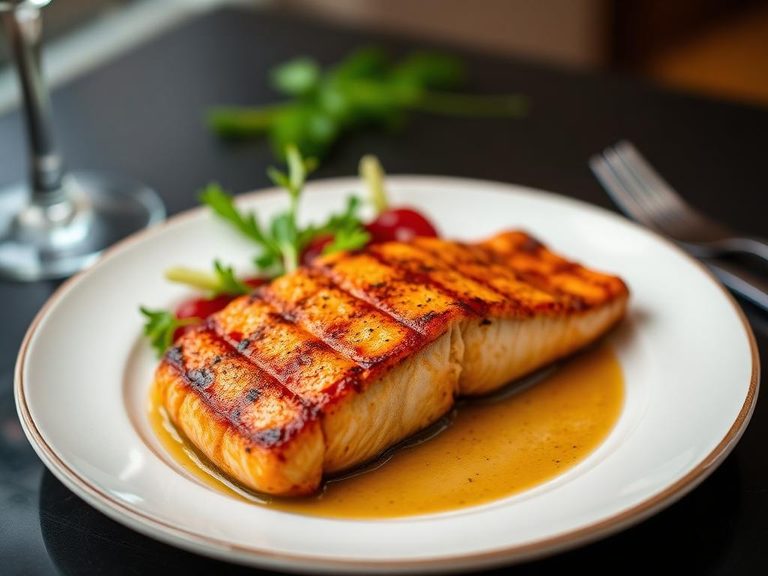
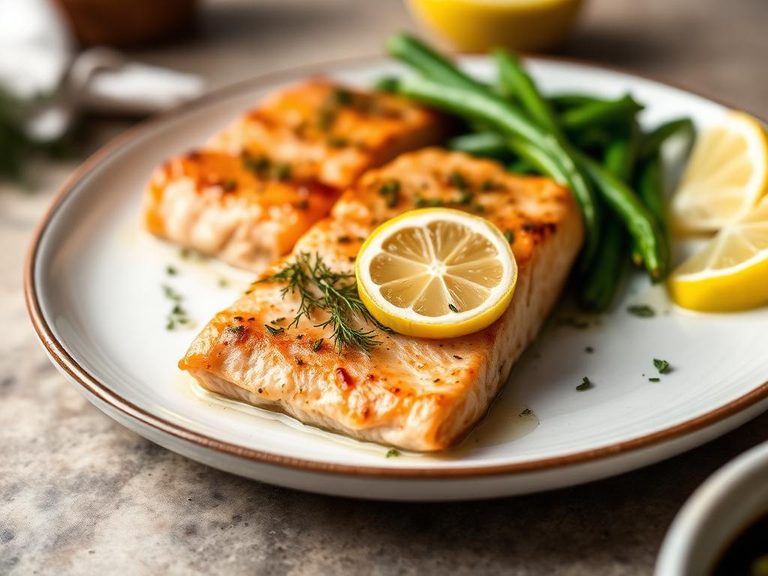
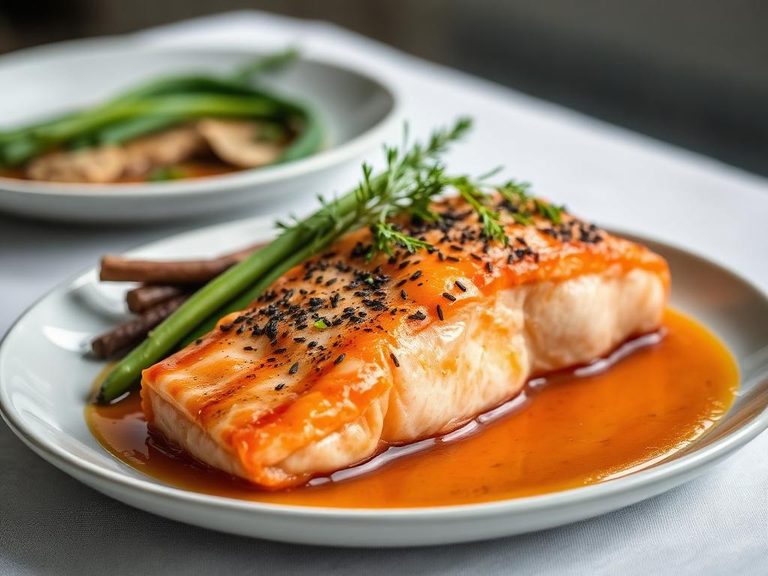
🍽️ Popular dishes
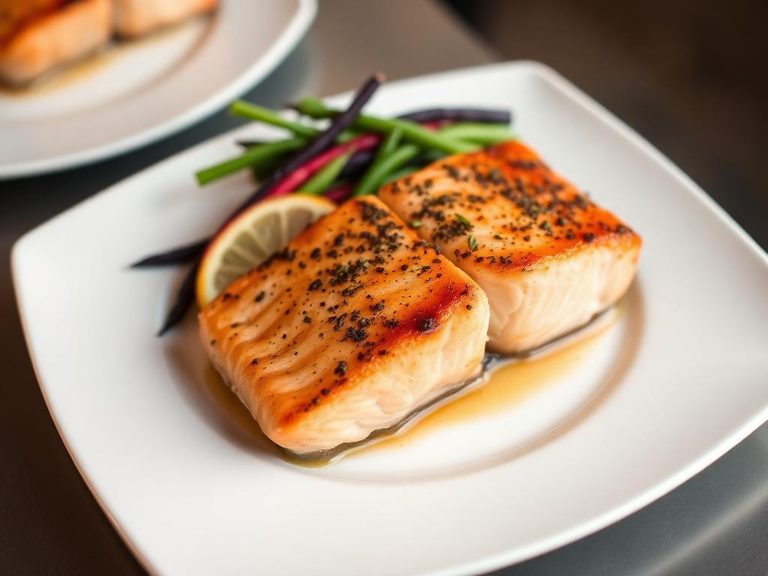
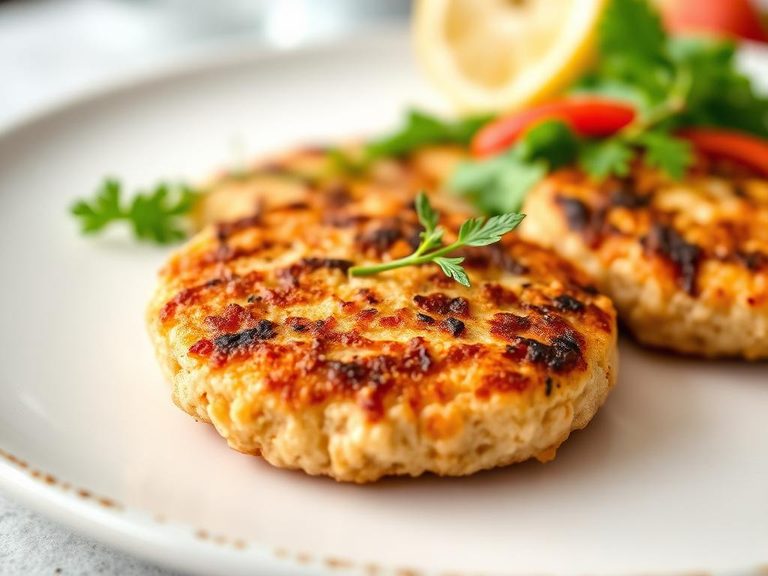
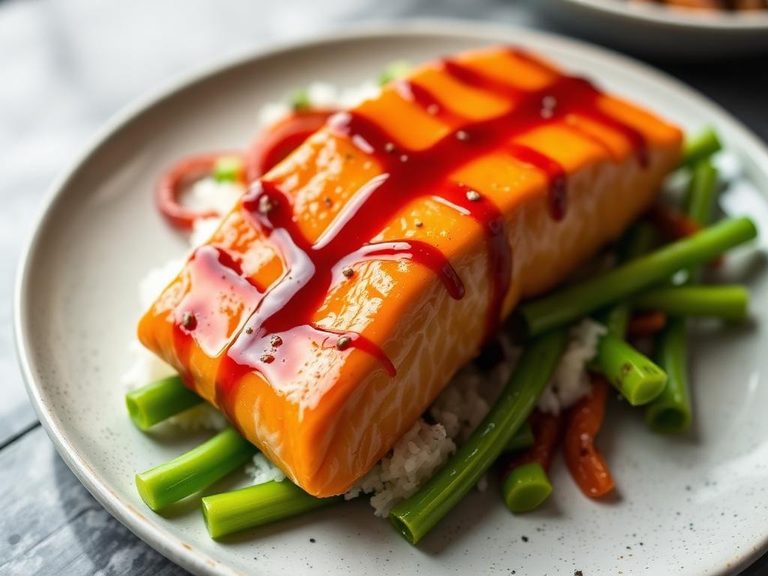
🌍 Where it's eaten
💡 Did you know?
The pink-orange color of salmon flesh comes from astaxanthin, a pigment they get from eating krill and shrimp in the wild; farmed salmon are given this antioxidant in their feed to achieve the same color.
Full nutrition (USDA data · scales with serving)
| Water | 64.8 g |
| Energy | 206 kcal |
| Energy | 861 kj |
| Protein | 22.1 g |
| Total lipid (fat) | 12.3 g |
| Ash | 1.1 g |
| Carbohydrate, by difference | 0.00 g |
| Fiber, total dietary | 0.00 g |
| Total Sugars | 0.00 g |
| Calcium, Ca | 15.0 mg |
| Iron, Fe | 0.34 mg |
| Magnesium, Mg | 30.0 mg |
| Phosphorus, P | 252 mg |
| Potassium, K | 384 mg |
| Sodium, Na | 61.0 mg |
| Zinc, Zn | 0.43 mg |
| Copper, Cu | 0.05 mg |
| Manganese, Mn | 0.02 mg |
| Selenium, Se | 41.4 ug |
| Vitamin C, total ascorbic acid | 3.7 mg |
| Thiamin | 0.34 mg |
| Riboflavin | 0.14 mg |
| Niacin | 8.0 mg |
| Pantothenic acid | 1.5 mg |
| Vitamin B-6 | 0.65 mg |
| Folate, total | 34.0 ug |
| Folic acid | 0.00 ug |
| Folate, food | 34.0 ug |
| Folate, DFE | 34.0 ug |
| Choline, total | 90.5 mg |
| Vitamin B-12 | 2.8 ug |
| Vitamin B-12, added | 0.00 ug |
| Vitamin A, RAE | 69.0 ug |
| Retinol | 69.0 ug |
| Carotene, beta | 0.00 ug |
| Carotene, alpha | 0.00 ug |
| Cryptoxanthin, beta | 0.00 ug |
| Vitamin A, IU | 230 iu |
| Lycopene | 0.00 ug |
| Lutein + zeaxanthin | 0.00 ug |
| Vitamin E (alpha-tocopherol) | 1.1 mg |
| Vitamin E, added | 0.00 mg |
| Vitamin D (D2 + D3), International Units | 526 iu |
| Vitamin D (D2 + D3) | 13.1 ug |
| Vitamin K (phylloquinone) | 0.10 ug |
| Alcohol, ethyl | 0.00 g |
| Caffeine | 0.00 mg |
| Theobromine | 0.00 mg |
Fat & fatty acid profile (per 100g)
| Fatty acids, total saturated | 2.4 g |
| SFA 4:0 | 0.00 g |
| SFA 6:0 | 0.00 g |
| SFA 8:0 | 0.00 g |
| SFA 10:0 | 0.01 g |
| SFA 12:0 | 0.01 g |
| SFA 14:0 | 0.57 g |
| SFA 16:0 | 1.5 g |
| SFA 18:0 | 0.32 g |
| Fatty acids, total monounsaturated | 4.2 g |
| MUFA 16:1 | 0.77 g |
| MUFA 18:1 | 2.0 g |
| MUFA 20:1 | 1.4 g |
| MUFA 22:1 | 0.00 g |
| Fatty acids, total polyunsaturated | 4.6 g |
| PUFA 18:2 | 0.67 g |
| PUFA 18:3 | 0.11 g |
| PUFA 18:4 | 0.18 g |
| PUFA 20:4 | 1.3 g |
| PUFA 20:5 n-3 (EPA) | 0.69 g |
| PUFA 22:5 n-3 (DPA) | 0.17 g |
| PUFA 22:6 n-3 (DHA) | 1.5 g |
| Cholesterol | 63.0 mg |
Amino acid profile (per 100g)
| Tryptophan | 0.25 g |
| Threonine | 0.97 g |
| Isoleucine | 1.0 g |
| Leucine | 1.8 g |
| Lysine | 2.0 g |
| Methionine | 0.65 g |
| Cystine | 0.24 g |
| Phenylalanine | 0.86 g |
| Tyrosine | 0.75 g |
| Valine | 1.1 g |
| Arginine | 1.3 g |
| Histidine | 0.65 g |
| Alanine | 1.3 g |
| Aspartic acid | 2.3 g |
| Glutamic acid | 3.3 g |
| Glycine | 1.1 g |
| Proline | 0.78 g |
| Serine | 0.90 g |
FAQ
What's the difference between farmed and wild Atlantic salmon?
Farmed Atlantic salmon is raised in aquaculture pens, resulting in a higher fat content (especially omega-3s) and a more consistent, milder flavor. Wild Atlantic salmon is rarely available due to overfishing; most 'wild' salmon you find is from Pacific species like Sockeye or Coho, which are leaner and have a more pronounced, sometimes gamey flavor.
How do I know when it's cooked through?
The best method is using an instant-read thermometer: it's done at an internal temperature of 125°F (52°C) for medium (still slightly translucent in the center) or 145°F (63°C) for well-done. Alternatively, the flesh should flake easily with a fork and be opaque throughout.
Is the skin edible?
Yes, and it's delicious! When cooked properly (crispy skin-side down in a pan), the skin becomes a savory, crunchy treat rich in healthy fats. It also helps keep the flesh moist during cooking.
Nutrient density (calculated · NRF9.3)
Nutrient Rich Foods index: beneficial nutrients (protein, fiber, vitamins, minerals) minus saturated fat, added sugar & sodium, per 100 kcal.
NRF9.3 index — Fulgoni, Keast & Drewnowski, 2009. Computed from USDA nutrients.
Weight-loss friendliness (composite index)
Energy density 2.06 kcal/g · 43% calories from protein · 0.0 g fiber · 0.0 g sugar per 100 g.
Composite of energy density (Rolls et al., 1999), protein & fiber satiety, minus sugar. A calculated heuristic — ranks satiety-per-calorie, not a clinical measure.
Dietary load (calculated from USDA values)
Potential renal acid load. Positive = acid-forming, negative = alkaline-forming.
Sodium-to-potassium ratio: 0.16 (lower is better — aim for ≤ 1)
Sodium:potassium per WHO potassium guidance. Computed from USDA nutrients.