

Fish, tuna, light, canned in water, without salt, drained solids
Whole food · Finfish and Shellfish Products
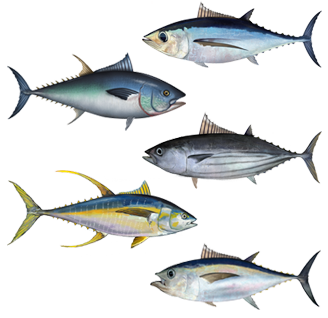
Photo: Wikipedia
This is lean, flaky, and mild-mannered tuna, gently cooked and packed in its own juices without a drop of added salt. Its texture is tender yet substantial, offering a clean, oceanic flavor that acts as a blank canvas for other ingredients. Nutritionally, it's a powerhouse of pure, high-quality protein with virtually no fat or carbohydrates.
Calorie split: 93% protein · 0% carbs · 7% fat
↓ Full nutrition💚 Why it's loved
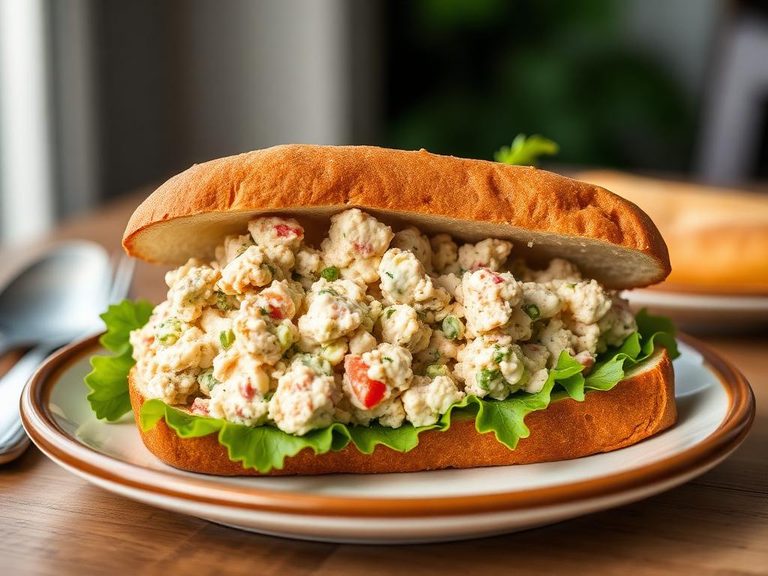
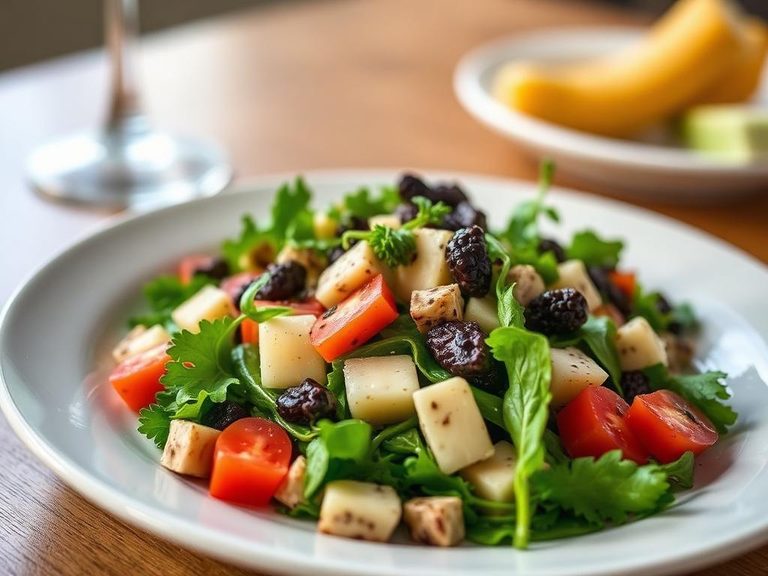
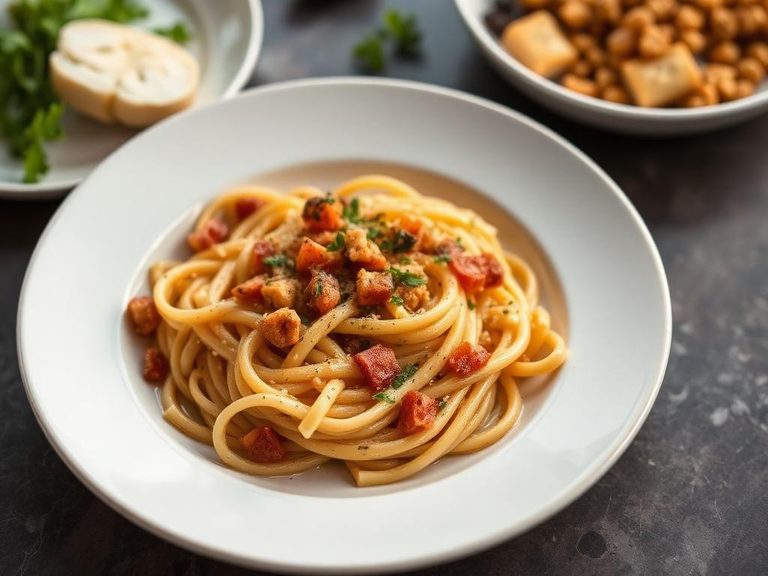
People adore it for its incredible versatility and mild flavor, which easily blends into salads, sandwiches, and pasta without overpowering other ingredients. It's a cultural staple for quick, affordable, and nutritious meals across the globe.
⚠️ Watch-outs & how to enjoy it better
The lack of salt can make it taste bland to some palates, and its soft texture isn't for everyone. As a common fish allergen, it must be avoided by those with sensitivities. To enhance flavor, mix it with a small amount of olive oil, lemon juice, herbs, or a pinch of salt. For texture, combine it with crunchy vegetables like celery or onion.
Key benefits
- Excellent source of complete, lean protein for muscle maintenance.
- Virtually fat-free, making it a very low-calorie protein option.
- Zero carbohydrates, ideal for low-carb and ketogenic diets.
- Provides important nutrients like selenium and niacin.
- Convenient, shelf-stable source of ready-to-eat protein.
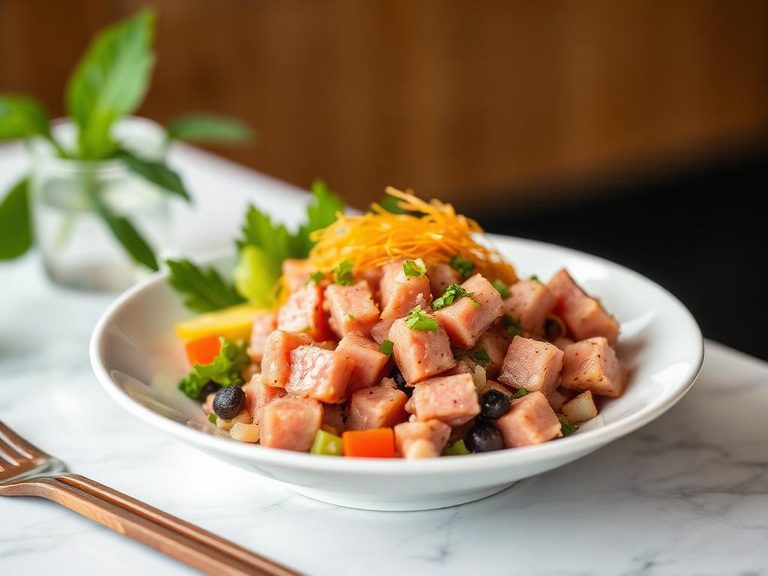
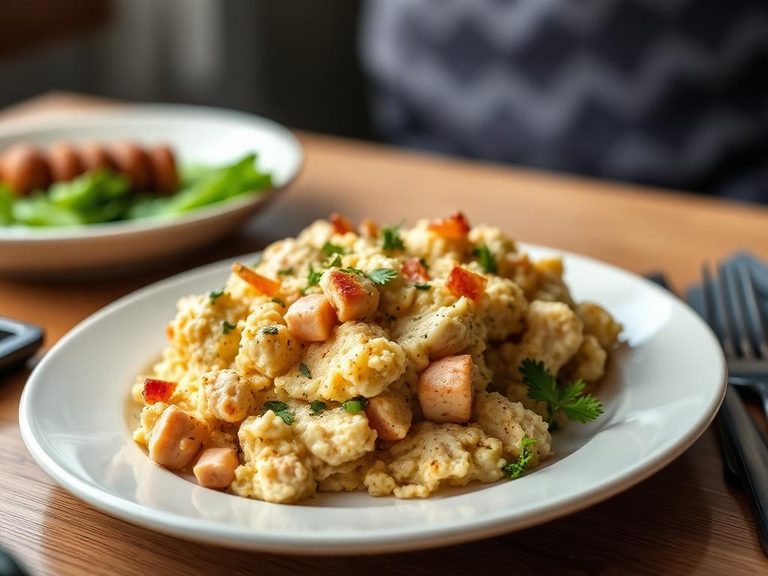
🍽️ Popular dishes
🌍 Where it's eaten
💡 Did you know?
The process for canning tuna was perfected in the early 1900s in California, specifically to preserve the abundant bluefin and albacore catches from the Pacific for shipment to the East Coast.
Full nutrition (USDA data · scales with serving)
| Water | 75.2 g |
| Energy | 116 kcal |
| Energy | 487 kj |
| Protein | 25.5 g |
| Total lipid (fat) | 0.82 g |
| Ash | 0.78 g |
| Carbohydrate, by difference | 0.00 g |
| Fiber, total dietary | 0.00 g |
| Total Sugars | 0.00 g |
| Calcium, Ca | 11.0 mg |
| Iron, Fe | 1.5 mg |
| Magnesium, Mg | 27.0 mg |
| Phosphorus, P | 163 mg |
| Potassium, K | 237 mg |
| Sodium, Na | 50.0 mg |
| Zinc, Zn | 0.77 mg |
| Copper, Cu | 0.05 mg |
| Manganese, Mn | 0.01 mg |
| Selenium, Se | 80.4 ug |
| Fluoride, F | 18.6 ug |
| Vitamin C, total ascorbic acid | 0.00 mg |
| Thiamin | 0.03 mg |
| Riboflavin | 0.07 mg |
| Niacin | 13.3 mg |
| Pantothenic acid | 0.21 mg |
| Vitamin B-6 | 0.35 mg |
| Folate, total | 4.0 ug |
| Folic acid | 0.00 ug |
| Folate, food | 4.0 ug |
| Folate, DFE | 4.0 ug |
| Vitamin B-12 | 3.0 ug |
| Vitamin A, IU | 56.0 iu |
Fat & fatty acid profile (per 100g)
| Fatty acids, total saturated | 0.23 g |
| SFA 4:0 | 0.00 g |
| SFA 6:0 | 0.00 g |
| SFA 8:0 | 0.00 g |
| SFA 10:0 | 0.00 g |
| SFA 12:0 | 0.00 g |
| SFA 14:0 | 0.02 g |
| SFA 16:0 | 0.16 g |
| SFA 18:0 | 0.06 g |
| Fatty acids, total monounsaturated | 0.16 g |
| MUFA 16:1 | 0.03 g |
| MUFA 18:1 | 0.09 g |
| MUFA 20:1 | 0.01 g |
| MUFA 22:1 | 0.03 g |
| Fatty acids, total polyunsaturated | 0.34 g |
| PUFA 18:2 | 0.01 g |
| PUFA 18:3 | 0.00 g |
| PUFA 18:4 | 0.01 g |
| PUFA 20:4 | 0.03 g |
| PUFA 20:5 n-3 (EPA) | 0.05 g |
| PUFA 22:5 n-3 (DPA) | 0.01 g |
| PUFA 22:6 n-3 (DHA) | 0.22 g |
| Cholesterol | 30.0 mg |
Amino acid profile (per 100g)
| Tryptophan | 0.29 g |
| Threonine | 1.1 g |
| Isoleucine | 1.2 g |
| Leucine | 2.1 g |
| Lysine | 2.3 g |
| Methionine | 0.76 g |
| Cystine | 0.27 g |
| Phenylalanine | 1.00 g |
| Tyrosine | 0.86 g |
| Valine | 1.3 g |
| Arginine | 1.5 g |
| Histidine | 0.75 g |
| Alanine | 1.5 g |
| Aspartic acid | 2.6 g |
| Glutamic acid | 3.8 g |
| Glycine | 1.2 g |
| Proline | 0.90 g |
| Serine | 1.0 g |
FAQ
What's the difference between 'light' and 'white' canned tuna?
'Light' tuna is typically made from skipjack or yellowfin tuna, has a darker color, stronger flavor, and is more affordable. 'White' tuna is albacore, which is milder, whiter, and usually more expensive.
Is the water it's canned in nutritious?
The packing water contains some soluble proteins and nutrients from the fish, but it's not a significant source of nutrition on its own. Most people drain it.
How can I reduce the 'fishy' taste?
Rinse the drained solids under cold water, or soak them in milk or lemon water for 10-15 minutes before using. This helps neutralize the compounds that cause a strong fishy odor.
Nutrient density (calculated · NRF9.3)
Nutrient Rich Foods index: beneficial nutrients (protein, fiber, vitamins, minerals) minus saturated fat, added sugar & sodium, per 100 kcal.
NRF9.3 index — Fulgoni, Keast & Drewnowski, 2009. Computed from USDA nutrients.
Weight-loss friendliness (composite index)
Energy density 1.16 kcal/g · 88% calories from protein · 0.0 g fiber · 0.0 g sugar per 100 g.
Composite of energy density (Rolls et al., 1999), protein & fiber satiety, minus sugar. A calculated heuristic — ranks satiety-per-calorie, not a clinical measure.
Dietary load (calculated from USDA values)
Potential renal acid load. Positive = acid-forming, negative = alkaline-forming.
Sodium-to-potassium ratio: 0.21 (lower is better — aim for ≤ 1)
Sodium:potassium per WHO potassium guidance. Computed from USDA nutrients.