

Cheese, pasteurized process, American, fortified with vitamin D
Whole food · Dairy and Egg Products
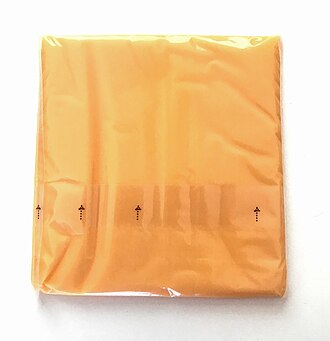
Photo: Wikipedia
This is the quintessential American processed cheese slice, engineered for perfect meltability and a consistently mild, salty, and creamy flavor. Its smooth, pliable texture is designed to coat burgers and sandwiches evenly without breaking. Nutritionally, it's a calorie-dense source of protein and fat, fortified with Vitamin D to aid calcium absorption.
Calorie split: 20% protein · 5% carbs · 75% fat
↓ Full nutrition💚 Why it's loved
People adore it for its unmatched meltability and nostalgic, savory flavor that defines the classic cheeseburger experience. Its convenience and consistent performance make it a reliable staple for quick meals and kid-friendly dishes.
⚠️ Watch-outs & how to enjoy it better
It is high in sodium and saturated fat, which can be concerns for heart health if overconsumed. Those monitoring blood sugar should note it contains added sugars and is often paired with refined carbs. **Tip:** Pair with lean protein like grilled chicken or fiber-rich vegetables like a side salad to balance the meal and mitigate blood sugar impact.
Key benefits
- Excellent source of high-quality protein for muscle maintenance.
- Fortified with Vitamin D, crucial for bone health and immune function.
- Provides a significant amount of calcium in a convenient form.
- Melts smoothly and predictably, making it ideal for cooking and grilling.
- Long shelf life and pre-portioned slices reduce food waste.
🍽️ Popular dishes
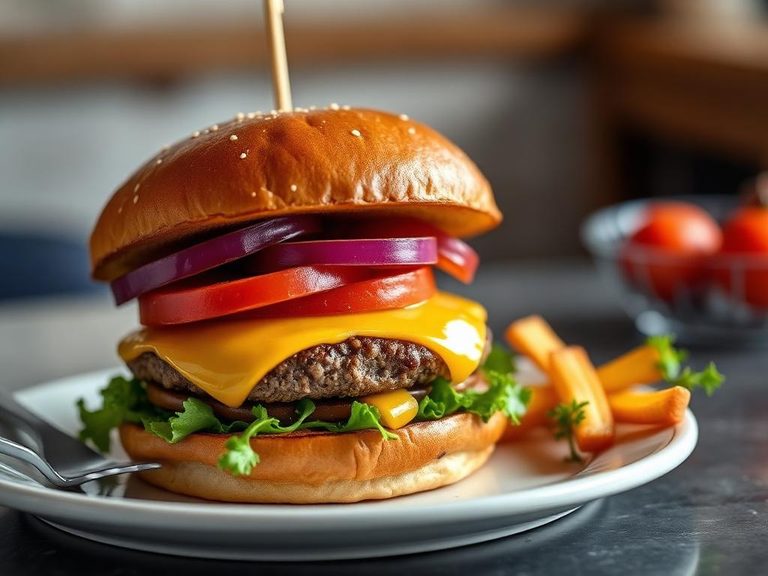
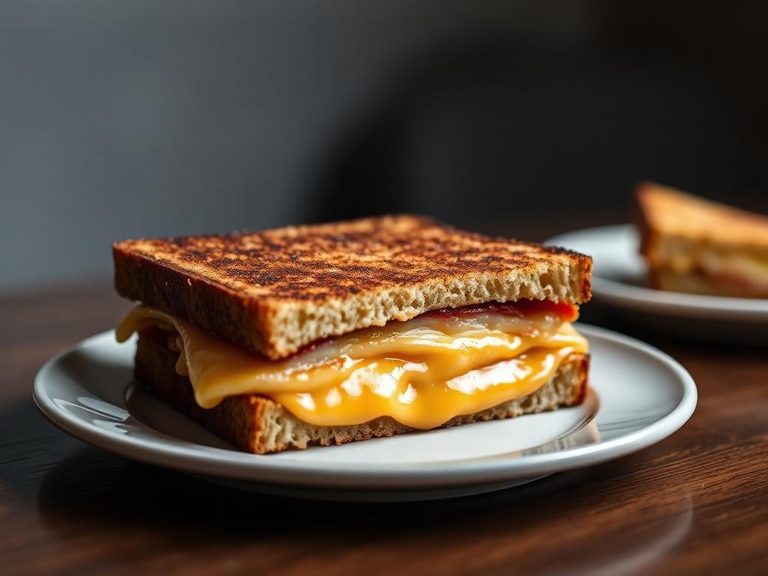
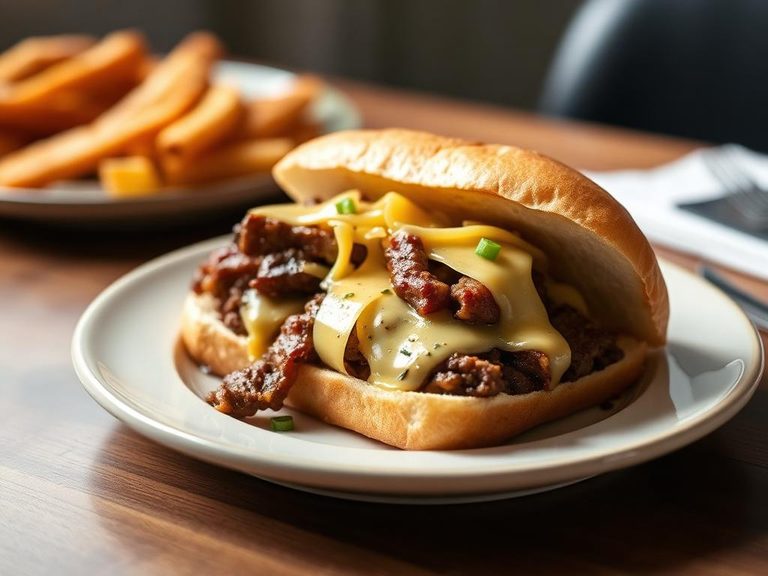
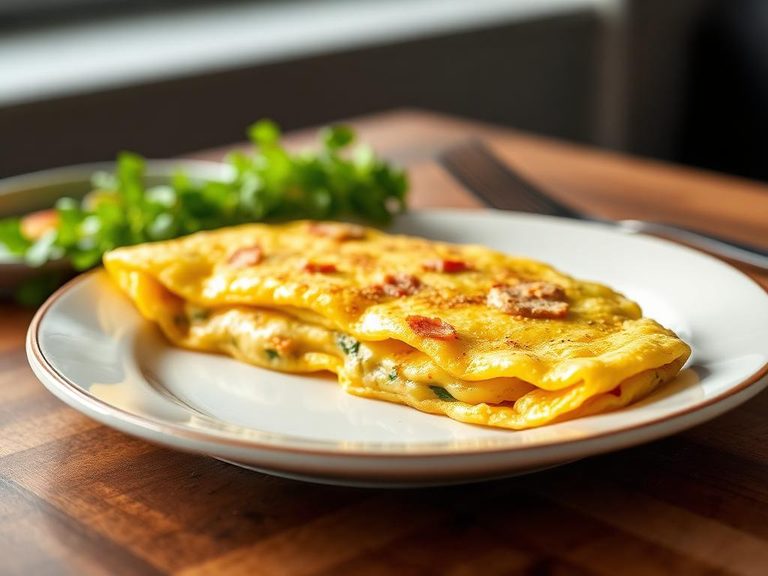
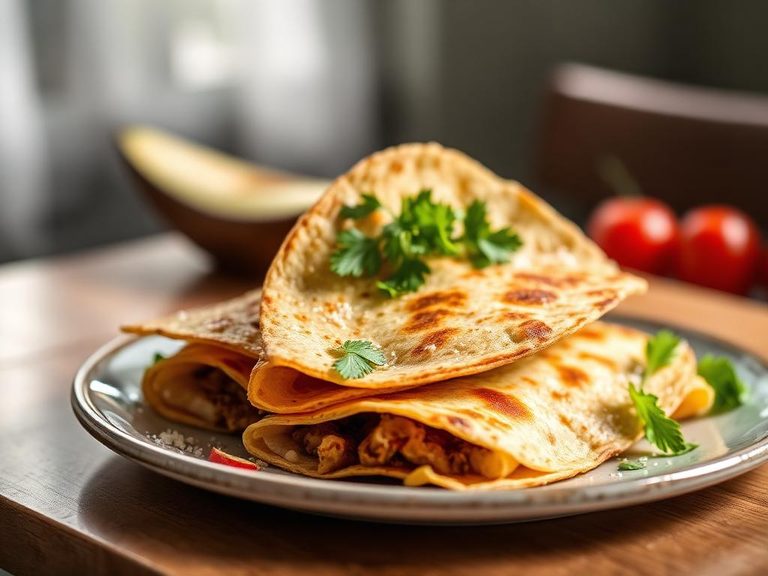
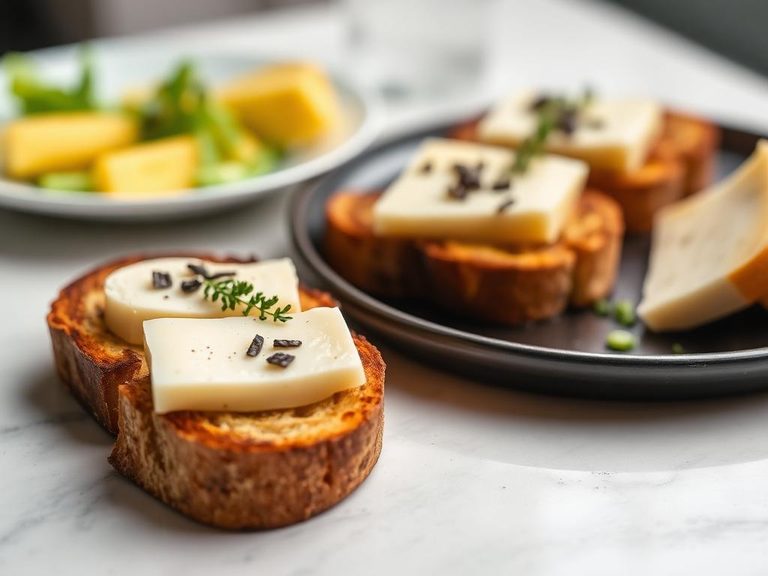
🌍 Where it's eaten
💡 Did you know?
The modern American cheese slice was invented in 1916 by James L. Kraft, who patented the process of making shelf-stable processed cheese, revolutionizing the industry.
Full nutrition (USDA data · scales with serving)
| Water | 39.6 g |
| Energy | 366 kcal |
| Energy | 1531 kj |
| Protein | 18.1 g |
| Total lipid (fat) | 30.7 g |
| Ash | 6.8 g |
| Carbohydrate, by difference | 4.8 g |
| Fiber, total dietary | 0.00 g |
| Total Sugars | 2.3 g |
| Sucrose | 0.00 g |
| Glucose | 0.00 g |
| Fructose | 0.00 g |
| Lactose | 2.1 g |
| Maltose | 0.00 g |
| Galactose | 0.11 g |
| Calcium, Ca | 1045 mg |
| Iron, Fe | 0.63 mg |
| Magnesium, Mg | 26.0 mg |
| Phosphorus, P | 641 mg |
| Potassium, K | 132 mg |
| Sodium, Na | 1671 mg |
| Zinc, Zn | 2.5 mg |
| Copper, Cu | 0.05 mg |
| Manganese, Mn | 0.04 mg |
| Selenium, Se | 20.2 ug |
| Fluoride, F | 35.0 ug |
| Vitamin C, total ascorbic acid | 0.00 mg |
| Thiamin | 0.01 mg |
| Riboflavin | 0.23 mg |
| Niacin | 0.08 mg |
| Pantothenic acid | 0.40 mg |
| Vitamin B-6 | 0.05 mg |
| Folate, total | 8.0 ug |
| Folic acid | 0.00 ug |
| Folate, food | 8.0 ug |
| Folate, DFE | 8.0 ug |
| Choline, total | 19.2 mg |
| Betaine | 2.7 mg |
| Vitamin B-12 | 1.5 ug |
| Vitamin B-12, added | 0.00 ug |
| Vitamin A, RAE | 317 ug |
| Retinol | 313 ug |
| Carotene, beta | 49.0 ug |
| Carotene, alpha | 0.00 ug |
| Cryptoxanthin, beta | 7.0 ug |
| Vitamin A, IU | 1131 iu |
| Lycopene | 0.00 ug |
| Lutein + zeaxanthin | 21.0 ug |
| Vitamin E (alpha-tocopherol) | 0.80 mg |
| Vitamin E, added | 0.00 mg |
| Tocopherol, beta | 0.00 mg |
| Tocopherol, gamma | 0.13 mg |
| Tocopherol, delta | 0.04 mg |
| Tocotrienol, alpha | 0.02 mg |
| Tocotrienol, beta | 0.02 mg |
| Tocotrienol, gamma | 0.03 mg |
| Tocotrienol, delta | 0.08 mg |
| Vitamin D (D2 + D3), International Units | 301 iu |
| Vitamin D (D2 + D3) | 7.5 ug |
| Vitamin D2 (ergocalciferol) | 0.00 ug |
| Vitamin D3 (cholecalciferol) | 7.5 ug |
| Vitamin K (phylloquinone) | 3.7 ug |
| Vitamin K (Menaquinone-4) | 14.1 ug |
| Alcohol, ethyl | 0.00 g |
| Caffeine | 0.00 mg |
| Theobromine | 0.00 mg |
Fat & fatty acid profile (per 100g)
| Fatty acids, total saturated | 18.1 g |
| SFA 4:0 | 0.61 g |
| SFA 6:0 | 0.51 g |
| SFA 8:0 | 0.33 g |
| SFA 10:0 | 0.80 g |
| SFA 12:0 | 0.88 g |
| SFA 14:0 | 2.9 g |
| SFA 15:0 | 0.31 g |
| SFA 16:0 | 8.2 g |
| SFA 17:0 | 0.19 g |
| SFA 18:0 | 3.2 g |
| SFA 20:0 | 0.05 g |
| SFA 22:0 | 0.02 g |
| SFA 24:0 | 0.01 g |
| Fatty acids, total monounsaturated | 8.2 g |
| MUFA 14:1 | 0.24 g |
| MUFA 15:1 | 0.00 g |
| MUFA 16:1 | 0.50 g |
| MUFA 16:1 c | 0.39 g |
| MUFA 17:1 | 0.06 g |
| MUFA 18:1 | 7.2 g |
| MUFA 18:1 c | 6.4 g |
| MUFA 20:1 | 0.22 g |
| MUFA 22:1 | 0.00 g |
| MUFA 22:1 c | 0.00 g |
| MUFA 24:1 c | 0.00 g |
| Fatty acids, total polyunsaturated | 1.3 g |
| PUFA 18:2 | 1.0 g |
| PUFA 18:2 n-6 c,c | 0.79 g |
| PUFA 18:2 CLAs | 0.02 g |
| PUFA 18:3 | 0.14 g |
| PUFA 18:3 n-3 c,c,c (ALA) | 0.14 g |
| PUFA 18:3 n-6 c,c,c | 0.00 g |
| PUFA 18:4 | 0.01 g |
| PUFA 20:2 n-6 c,c | 0.01 g |
| PUFA 20:3 | 0.03 g |
| PUFA 20:3 n-6 | 0.03 g |
| PUFA 20:4 | 0.04 g |
| PUFA 20:5 n-3 (EPA) | 0.01 g |
| PUFA 22:4 | 0.01 g |
| PUFA 22:5 n-3 (DPA) | 0.02 g |
| PUFA 22:6 n-3 (DHA) | 0.01 g |
| Fatty acids, total trans | 1.1 g |
| Fatty acids, total trans-monoenoic | 0.95 g |
| TFA 16:1 t | 0.11 g |
| TFA 18:1 t | 0.84 g |
| TFA 22:1 t | 0.00 g |
| TFA 18:2 t not further defined | 0.19 g |
| Fatty acids, total trans-polyenoic | 0.19 g |
| Cholesterol | 100 mg |
Amino acid profile (per 100g)
| Tryptophan | 0.23 g |
| Threonine | 0.77 g |
| Isoleucine | 0.94 g |
| Leucine | 1.7 g |
| Lysine | 1.5 g |
| Methionine | 0.47 g |
| Cystine | 0.11 g |
| Phenylalanine | 0.94 g |
| Tyrosine | 0.92 g |
| Valine | 1.2 g |
| Arginine | 0.52 g |
| Histidine | 0.55 g |
| Alanine | 0.61 g |
| Aspartic acid | 1.6 g |
| Glutamic acid | 4.1 g |
| Glycine | 0.36 g |
| Proline | 1.8 g |
| Serine | 1.1 g |
FAQ
Is this the same as 'American cheese'?
Yes, this is the specific FDA-regulated product. 'American cheese' can sometimes refer to similar but non-compliant cheese products, but 'pasteurized process American cheese' is the official, meltable standard.
Why does it melt so well?
The manufacturing process uses emulsifying salts (like sodium citrate) that prevent the proteins and fats from separating when heated, resulting in a smooth, creamy melt instead of oily clumps.
Is it real cheese?
It's a 'pasteurized process cheese food,' meaning it's made by blending real cheese (like cheddar and colby) with other ingredients like milk, emulsifiers, and salt, then heating it into a uniform product.
How does it differ from 'cheese product' or 'cheese spread'?
The FDA has strict standards. 'Pasteurized process American cheese' must contain at least 2% milkfat and be made from cheese. 'Cheese product' can contain less cheese and more additives, while 'cheese spread' is designed to be spreadable at room temperature.
Nutrient density (calculated · NRF9.3)
Nutrient Rich Foods index: beneficial nutrients (protein, fiber, vitamins, minerals) minus saturated fat, added sugar & sodium, per 100 kcal.
NRF9.3 index — Fulgoni, Keast & Drewnowski, 2009. Computed from USDA nutrients.
Weight-loss friendliness (composite index)
Energy density 3.66 kcal/g · 20% calories from protein · 0.0 g fiber · 2.3 g sugar per 100 g.
Composite of energy density (Rolls et al., 1999), protein & fiber satiety, minus sugar. A calculated heuristic — ranks satiety-per-calorie, not a clinical measure.
Dietary load (calculated from USDA values)
Potential renal acid load. Positive = acid-forming, negative = alkaline-forming.
Sodium-to-potassium ratio: 12.66 (lower is better — aim for ≤ 1)
Sodium:potassium per WHO potassium guidance. Computed from USDA nutrients.