

Cheese, dry white, queso seco
Whole food · Dairy and Egg Products
Queso Seco is a hard, dry, and crumbly white cheese with a sharp, salty, and tangy flavor. Its dense, granular texture makes it ideal for grating or crumbling over dishes. Nutritionally, it is a protein powerhouse with minimal carbs, making it a staple for low-carb and high-protein diets.
Calorie split: 30% protein · 3% carbs · 67% fat
↓ Full nutrition💚 Why it's loved
People love Queso Seco for its intense, savory flavor that adds a powerful punch to even a small amount. Its firm, dry texture makes it incredibly versatile for grating, crumbling, or shaving over everything from salads to soups.
⚠️ Watch-outs & how to enjoy it better
Its high sodium content can be a concern for those monitoring salt intake, and its saturated fat should be considered. To mitigate, use it as a flavorful garnish rather than a main ingredient, and pair it with potassium-rich foods like leafy greens or tomatoes. Those with lactose intolerance may tolerate it well due to aging, but should start with a small portion.
Key benefits
- Excellent source of complete protein (24.5g per 100g)
- Very low in carbohydrates (2.07g per 100g)
- Rich in calcium and phosphorus for bone health
- Contains conjugated linoleic acid (CLA), a beneficial fatty acid
- Long shelf life due to low moisture content
🍽️ Popular dishes
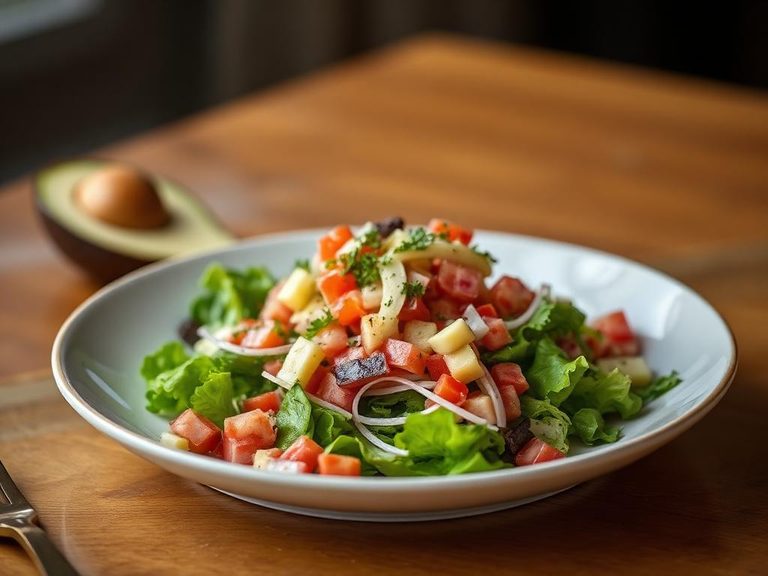
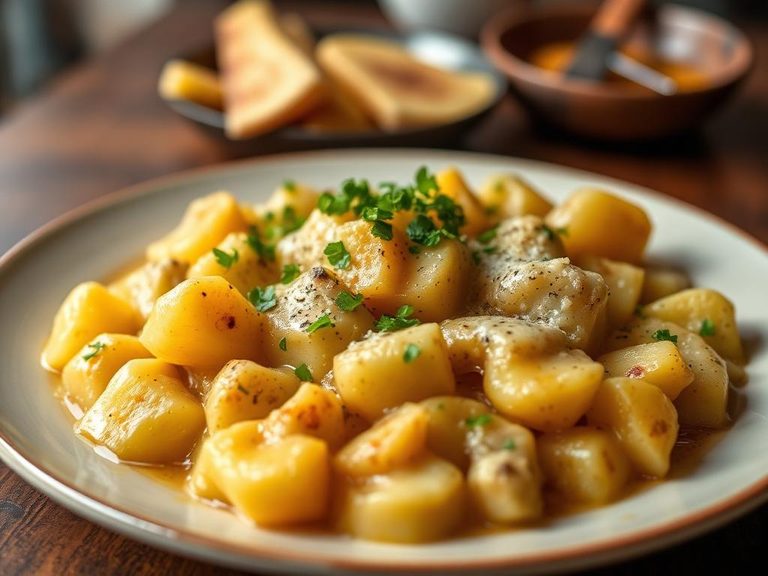
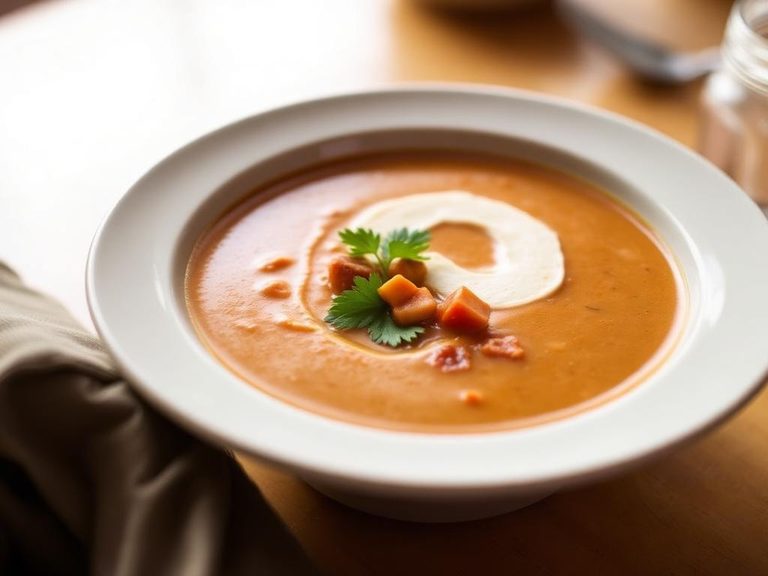
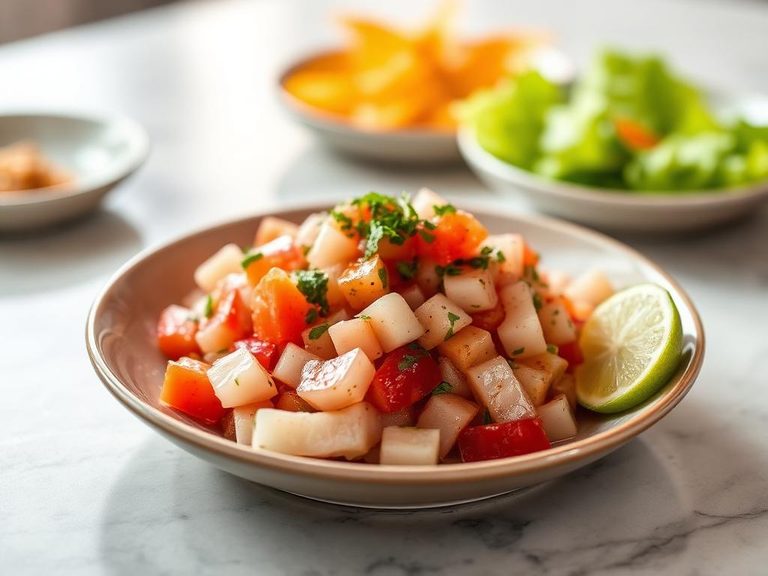


🌍 Where it's eaten
💡 Did you know?
Queso Seco is traditionally aged in caves or cool, humid environments, and its name literally means 'dry cheese' in Spanish, referring to its distinctive low-moisture, hard texture.
Full nutrition (USDA data · scales with serving)
| Water | 42.2 g |
| Energy (Atwater General Factors) | 325 kcal |
| Energy (Atwater Specific Factors) | 326 kcal |
| Energy | 326 kcal |
| Energy | 1360 kj |
| Nitrogen | 3.8 g |
| Protein | 24.5 g |
| Total lipid (fat) | 24.3 g |
| Total fat (NLEA) | 21.4 g |
| Ash | 6.9 g |
| Carbohydrate, by difference | 2.1 g |
| Sugars, Total | 0.43 g |
| Sucrose | 0.00 g |
| Glucose | 0.00 g |
| Fructose | 0.00 g |
| Lactose | 0.12 g |
| Maltose | 0.00 g |
| Galactose | 0.30 g |
| Calcium, Ca | 661 mg |
| Iron, Fe | 0.18 mg |
| Magnesium, Mg | 26.7 mg |
| Phosphorus, P | 475 mg |
| Potassium, K | 116 mg |
| Sodium, Na | 1810 mg |
| Zinc, Zn | 3.3 mg |
| Copper, Cu | 0.03 mg |
| Manganese, Mn | 0.02 mg |
| Selenium, Se | 22.4 ug |
| Thiamin | 0.04 mg |
| Riboflavin | 0.23 mg |
| Niacin | 0.08 mg |
| Pantothenic acid | 0.40 mg |
| Vitamin B-6 | 0.09 mg |
| Choline, total | 18.4 mg |
| Choline, free | 1.2 mg |
| Choline, from phosphocholine | 8.5 mg |
| Choline, from phosphotidyl choline | 0.60 mg |
| Choline, from glycerophosphocholine | 3.7 mg |
| Choline, from sphingomyelin | 4.3 mg |
| Betaine | 0.40 mg |
| Vitamin B-12 | 1.7 ug |
| Vitamin A, RAE | 226 ug |
| Retinol | 223 ug |
| Carotene, beta | 33.0 ug |
| Carotene, alpha | 0.00 ug |
| Cryptoxanthin, beta | 2.0 ug |
| Lycopene | 0.00 ug |
| Lutein + zeaxanthin | 4.0 ug |
| Vitamin E (alpha-tocopherol) | 0.49 mg |
| Tocopherol, beta | 0.00 mg |
| Tocopherol, gamma | 0.04 mg |
| Tocopherol, delta | 0.00 mg |
| Tocotrienol, alpha | 0.06 mg |
| Tocotrienol, beta | 0.01 mg |
| Tocotrienol, gamma | 0.10 mg |
| Tocotrienol, delta | 0.03 mg |
| Vitamin D (D2 + D3), International Units | 73.3 iu |
| Vitamin D (D2 + D3) | 1.8 ug |
| Vitamin D3 (cholecalciferol) | 1.8 ug |
| Vitamin K (phylloquinone) | 1.6 ug |
| Vitamin K (Menaquinone-4) | 5.9 ug |
Fat & fatty acid profile (per 100g)
| Fatty acids, total saturated | 13.7 g |
| SFA 4:0 | 0.51 g |
| SFA 6:0 | 0.40 g |
| SFA 8:0 | 0.25 g |
| SFA 10:0 | 0.58 g |
| SFA 11:0 | 0.01 g |
| SFA 12:0 | 0.66 g |
| SFA 14:0 | 2.2 g |
| SFA 15:0 | 0.23 g |
| SFA 16:0 | 6.1 g |
| SFA 17:0 | 0.14 g |
| SFA 18:0 | 2.6 g |
| SFA 20:0 | 0.04 g |
| SFA 22:0 | 0.01 g |
| SFA 24:0 | 0.01 g |
| Fatty acids, total monounsaturated | 5.7 g |
| MUFA 14:1 c | 0.17 g |
| MUFA 15:1 | 0.00 g |
| MUFA 16:1 c | 0.34 g |
| MUFA 17:1 | 0.05 g |
| MUFA 17:1 c | 0.05 g |
| MUFA 18:1 c | 5.1 g |
| MUFA 20:1 | 0.04 g |
| MUFA 20:1 c | 0.04 g |
| MUFA 22:1 c | 0.00 g |
| MUFA 24:1 c | 0.00 g |
| Fatty acids, total polyunsaturated | 1.1 g |
| PUFA 18:2 c | 0.84 g |
| PUFA 18:2 n-6 c,c | 0.70 g |
| PUFA 18:2 CLAs | 0.13 g |
| PUFA 18:3 c | 0.12 g |
| PUFA 18:3 n-3 c,c,c (ALA) | 0.11 g |
| PUFA 18:3 n-6 c,c,c | 0.01 g |
| PUFA 18:4 | 0.01 g |
| PUFA 20:2 c | 0.01 g |
| PUFA 20:2 n-6 c,c | 0.01 g |
| PUFA 20:3 c | 0.03 g |
| PUFA 20:3 n-3 | 0.00 g |
| PUFA 20:3 n-6 | 0.03 g |
| PUFA 20:4 | 0.04 g |
| PUFA 20:4c | 0.04 g |
| PUFA 20:5c | 0.01 g |
| PUFA 20:5 n-3 (EPA) | 0.01 g |
| PUFA 22:2 | 0.00 g |
| PUFA 22:5 c | 0.02 g |
| PUFA 22:4 | 0.01 g |
| PUFA 22:5 n-3 (DPA) | 0.02 g |
| PUFA 22:6 c | 0.00 g |
| PUFA 22:6 n-3 (DHA) | 0.00 g |
| Fatty acids, total trans | 0.88 g |
| Fatty acids, total trans-monoenoic | 0.71 g |
| TFA 16:1 t | 0.07 g |
| TFA 18:1 t | 0.64 g |
| TFA 22:1 t | 0.00 g |
| Fatty acids, total trans-dienoic | 0.17 g |
| TFA 18:2 t not further defined | 0.17 g |
| Cholesterol | 78.0 mg |
Amino acid profile (per 100g)
| Tryptophan | 0.31 g |
| Threonine | 0.95 g |
| Isoleucine | 1.2 g |
| Leucine | 2.3 g |
| Lysine | 2.0 g |
| Methionine | 0.54 g |
| Cystine | 0.15 g |
| Phenylalanine | 1.2 g |
| Tyrosine | 1.3 g |
| Valine | 1.5 g |
| Arginine | 0.91 g |
| Histidine | 0.68 g |
| Alanine | 0.75 g |
| Aspartic acid | 1.8 g |
| Glutamic acid | 5.3 g |
| Glycine | 0.43 g |
| Proline | 2.4 g |
| Serine | 1.4 g |
FAQ
What does Queso Seco taste like?
It has a pronounced salty, tangy, and slightly nutty flavor, similar to a very dry feta or a salty Parmesan, with a crumbly texture.
Can I substitute Queso Seco in recipes?
Yes, for a similar salty, crumbly texture, you can use Cotija, dry feta, or a very dry Parmesan. For a milder flavor, try Panela, but it will be softer.
Is Queso Seco the same as Queso Fresco?
No. Queso Fresco is soft, moist, and mild, while Queso Seco is hard, dry, and intensely flavored. They are used differently in cooking.
Nutrient density (calculated · NRF9.3)
Nutrient Rich Foods index: beneficial nutrients (protein, fiber, vitamins, minerals) minus saturated fat, added sugar & sodium, per 100 kcal.
NRF9.3 index — Fulgoni, Keast & Drewnowski, 2009. Computed from USDA nutrients.
Weight-loss friendliness (composite index)
Energy density 3.26 kcal/g · 30% calories from protein · 0.0 g fiber · 0.0 g sugar per 100 g.
Composite of energy density (Rolls et al., 1999), protein & fiber satiety, minus sugar. A calculated heuristic — ranks satiety-per-calorie, not a clinical measure.
Dietary load (calculated from USDA values)
Potential renal acid load. Positive = acid-forming, negative = alkaline-forming.
Sodium-to-potassium ratio: 15.60 (lower is better — aim for ≤ 1)
Sodium:potassium per WHO potassium guidance. Computed from USDA nutrients.