

Canadian bacon, unprepared
Whole food · Pork Products

Photo: Wikipedia
Canadian bacon is a lean, boneless cut from the pork loin, typically cured and smoked. It has a mild, slightly salty flavor and a tender, ham-like texture with a thin, edible fat cap. Nutritionally, it's a protein powerhouse with minimal fat and carbs, making it a staple for high-protein, low-carb diets.
Calorie split: 74% protein · 5% carbs · 21% fat
↓ Full nutrition💚 Why it's loved
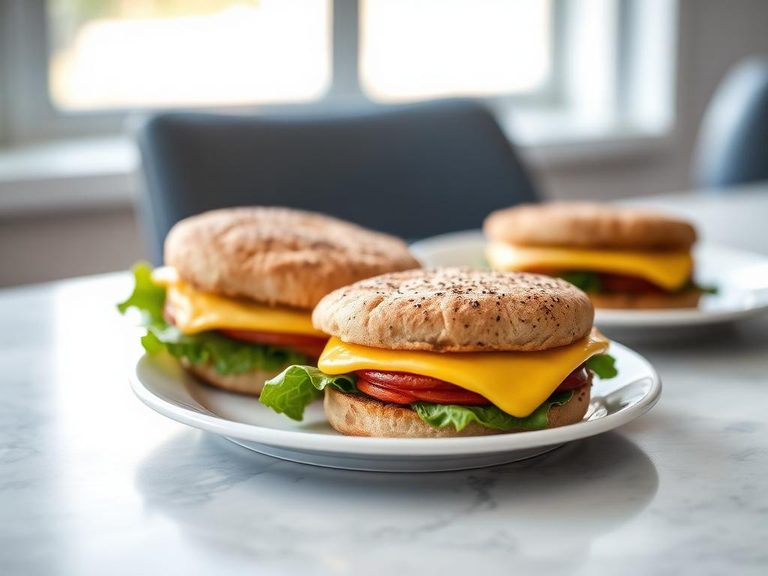
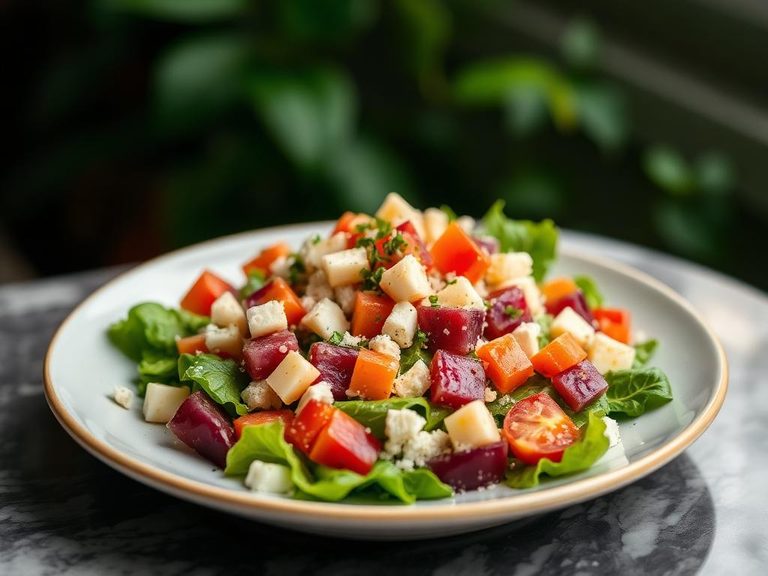
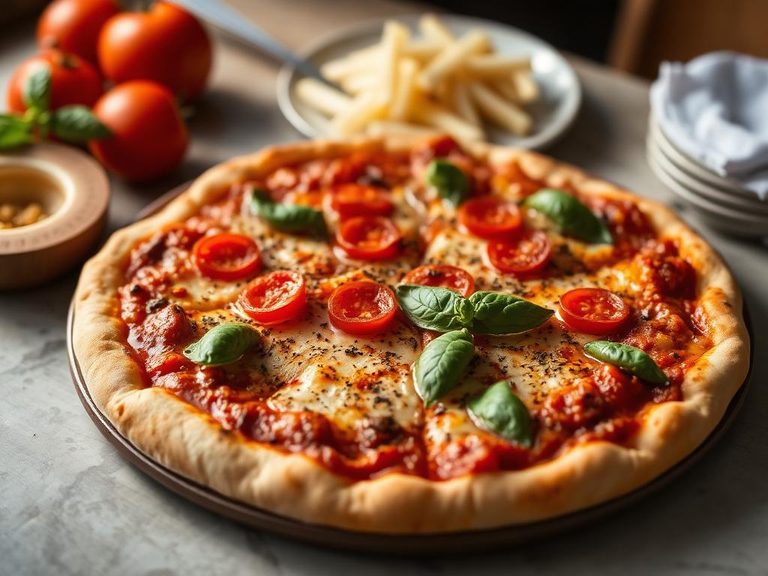
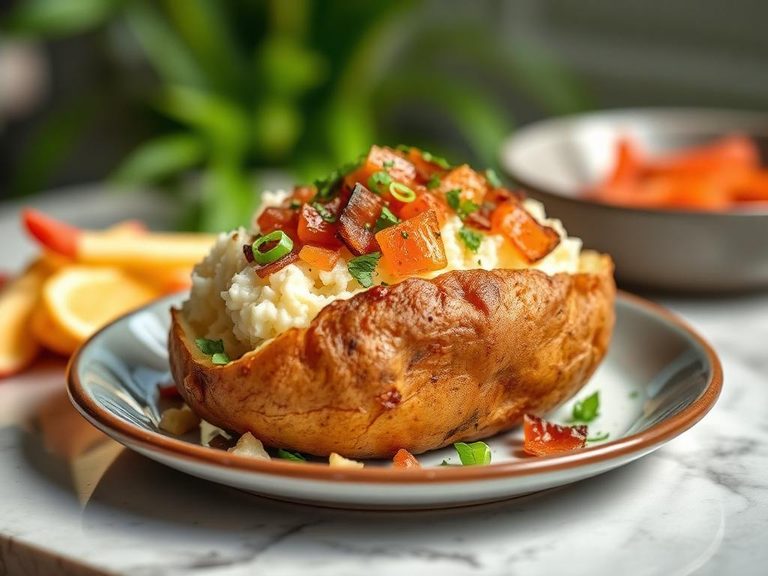
People love it for its savory, smoky flavor that enhances dishes without overwhelming them, and its incredible versatility in everything from breakfast plates to sandwiches and salads. It's a beloved staple in North American cuisine, often seen as a slightly more refined alternative to streaky bacon.
⚠️ Watch-outs & how to enjoy it better
As a cured meat, it is typically high in sodium, which can be a concern for those monitoring blood pressure or fluid retention. It may also contain nitrates or nitrites used in curing. To counteract this, pair it with potassium-rich foods like spinach or avocado to help balance sodium, and choose uncured or low-sodium varieties when possible. Always check labels and practice portion control.
Key benefits
- Excellent source of high-quality protein (20g per 100g)
- Very low in carbohydrates and sugars
- Low in fat compared to other bacon varieties
- Rich in B vitamins like thiamine and niacin
- Provides minerals like selenium and phosphorus
🍽️ Popular dishes


🌍 Where it's eaten
💡 Did you know?
Despite its name, 'Canadian bacon' is a term used almost exclusively in the United States; in Canada, it's simply called 'back bacon' or 'peameal bacon' when rolled in cornmeal.
Full nutrition (USDA data · scales with serving)
| Water | 72.3 g |
| Energy | 110 kcal |
| Energy | 461 kj |
| Protein | 20.3 g |
| Total lipid (fat) | 2.6 g |
| Ash | 3.4 g |
| Carbohydrate, by difference | 1.3 g |
| Fiber, total dietary | 0.00 g |
| Total Sugars | 0.90 g |
| Sucrose | 0.70 g |
| Glucose | 0.20 g |
| Fructose | 0.00 g |
| Lactose | 0.00 g |
| Maltose | 0.00 g |
| Galactose | 0.00 g |
| Calcium, Ca | 6.0 mg |
| Iron, Fe | 0.44 mg |
| Magnesium, Mg | 20.0 mg |
| Phosphorus, P | 240 mg |
| Potassium, K | 683 mg |
| Sodium, Na | 751 mg |
| Zinc, Zn | 1.2 mg |
| Copper, Cu | 0.05 mg |
| Manganese, Mn | 0.01 mg |
| Selenium, Se | 37.1 ug |
| Vitamin C, total ascorbic acid | 0.00 mg |
| Thiamin | 0.51 mg |
| Riboflavin | 0.14 mg |
| Niacin | 7.2 mg |
| Pantothenic acid | 0.61 mg |
| Vitamin B-6 | 0.24 mg |
| Folate, total | 4.0 ug |
| Folic acid | 0.00 ug |
| Folate, food | 4.0 ug |
| Folate, DFE | 4.0 ug |
| Choline, total | 76.1 mg |
| Betaine | 3.4 mg |
| Vitamin B-12 | 0.37 ug |
| Vitamin B-12, added | 0.00 ug |
| Vitamin A, RAE | 0.00 ug |
| Retinol | 0.00 ug |
| Carotene, beta | 0.00 ug |
| Carotene, alpha | 0.00 ug |
| Cryptoxanthin, beta | 0.00 ug |
| Vitamin A, IU | 0.00 iu |
| Lycopene | 0.00 ug |
| Lutein + zeaxanthin | 0.00 ug |
| Vitamin E (alpha-tocopherol) | 0.22 mg |
| Vitamin E, added | 0.00 mg |
| Tocopherol, beta | 0.06 mg |
| Tocopherol, gamma | 0.05 mg |
| Tocopherol, delta | 0.00 mg |
| Tocotrienol, alpha | 0.00 mg |
| Tocotrienol, beta | 0.00 mg |
| Tocotrienol, gamma | 0.00 mg |
| Tocotrienol, delta | 0.00 mg |
| Vitamin D (D2 + D3), International Units | 6.0 iu |
| Vitamin D (D2 + D3) | 0.10 ug |
| Vitamin D2 (ergocalciferol) | 0.00 ug |
| Vitamin D3 (cholecalciferol) | 0.10 ug |
| Vitamin K (phylloquinone) | 0.00 ug |
| Vitamin K (Dihydrophylloquinone) | 0.00 ug |
| Vitamin K (Menaquinone-4) | 3.5 ug |
| Alcohol, ethyl | 0.00 g |
| Caffeine | 0.00 mg |
| Theobromine | 0.00 mg |
Fat & fatty acid profile (per 100g)
| Fatty acids, total saturated | 0.90 g |
| SFA 4:0 | 0.00 g |
| SFA 6:0 | 0.00 g |
| SFA 8:0 | 0.00 g |
| SFA 10:0 | 0.01 g |
| SFA 12:0 | 0.00 g |
| SFA 14:0 | 0.03 g |
| SFA 15:0 | 0.00 g |
| SFA 16:0 | 0.56 g |
| SFA 17:0 | 0.01 g |
| SFA 18:0 | 0.28 g |
| SFA 20:0 | 0.01 g |
| SFA 22:0 | 0.00 g |
| SFA 24:0 | 0.00 g |
| Fatty acids, total monounsaturated | 1.1 g |
| MUFA 14:1 | 0.00 g |
| MUFA 15:1 | 0.00 g |
| MUFA 16:1 | 0.07 g |
| MUFA 16:1 c | 0.07 g |
| MUFA 17:1 | 0.01 g |
| MUFA 18:1 | 1.00 g |
| MUFA 18:1 c | 0.99 g |
| MUFA 20:1 | 0.02 g |
| MUFA 22:1 | 0.00 g |
| MUFA 22:1 c | 0.00 g |
| MUFA 24:1 c | 0.00 g |
| Fatty acids, total polyunsaturated | 0.47 g |
| PUFA 18:2 | 0.37 g |
| PUFA 18:2 n-6 c,c | 0.37 g |
| PUFA 18:2 CLAs | 0.00 g |
| PUFA 18:3 | 0.01 g |
| PUFA 18:3 n-3 c,c,c (ALA) | 0.01 g |
| PUFA 18:3 n-6 c,c,c | 0.00 g |
| PUFA 18:3i | 0.00 g |
| PUFA 18:4 | 0.00 g |
| PUFA 20:2 n-6 c,c | 0.01 g |
| PUFA 20:3 | 0.01 g |
| PUFA 20:3 n-3 | 0.00 g |
| PUFA 20:3 n-6 | 0.01 g |
| PUFA 20:4 | 0.05 g |
| PUFA 20:5 n-3 (EPA) | 0.00 g |
| PUFA 22:4 | 0.01 g |
| PUFA 22:5 n-3 (DPA) | 0.00 g |
| PUFA 22:6 n-3 (DHA) | 0.00 g |
| Fatty acids, total trans | 0.01 g |
| Fatty acids, total trans-monoenoic | 0.01 g |
| TFA 16:1 t | 0.00 g |
| TFA 18:1 t | 0.01 g |
| TFA 22:1 t | 0.00 g |
| TFA 18:2 t not further defined | 0.00 g |
| Fatty acids, total trans-polyenoic | 0.00 g |
| Cholesterol | 48.0 mg |
Amino acid profile (per 100g)
| Tryptophan | 0.24 g |
| Threonine | 0.89 g |
| Isoleucine | 0.96 g |
| Leucine | 1.7 g |
| Lysine | 1.8 g |
| Methionine | 0.56 g |
| Cystine | 0.23 g |
| Phenylalanine | 0.84 g |
| Tyrosine | 0.80 g |
| Valine | 1.0 g |
| Arginine | 1.3 g |
| Histidine | 0.82 g |
| Alanine | 1.2 g |
| Aspartic acid | 1.9 g |
| Glutamic acid | 3.1 g |
| Glycine | 0.92 g |
| Proline | 0.82 g |
| Serine | 0.84 g |
| Hydroxyproline | 0.07 g |
FAQ
What's the difference between Canadian bacon and regular bacon?
Canadian bacon comes from the lean pork loin (the back of the pig), while regular (streaky) bacon comes from the pork belly, which has alternating layers of fat and meat, making it much fattier.
Is Canadian bacon the same as ham?
It's similar to ham but not identical. Both are cured pork, but Canadian bacon is specifically from the loin, is typically smoked, and is often rounder in shape. Ham can come from various parts of the leg and may have different curing and smoking processes.
How should I store and cook Canadian bacon?
Store it in the refrigerator for up to 7 days or freeze for longer. It's usually pre-cooked, so you can pan-fry, grill, or bake it just until heated through and lightly browned, which takes only a few minutes per side.
Nutrient density (calculated · NRF9.3)
Nutrient Rich Foods index: beneficial nutrients (protein, fiber, vitamins, minerals) minus saturated fat, added sugar & sodium, per 100 kcal.
NRF9.3 index — Fulgoni, Keast & Drewnowski, 2009. Computed from USDA nutrients.
Weight-loss friendliness (composite index)
Energy density 1.10 kcal/g · 74% calories from protein · 0.0 g fiber · 0.9 g sugar per 100 g.
Composite of energy density (Rolls et al., 1999), protein & fiber satiety, minus sugar. A calculated heuristic — ranks satiety-per-calorie, not a clinical measure.
Dietary load (calculated from USDA values)
Potential renal acid load. Positive = acid-forming, negative = alkaline-forming.
Sodium-to-potassium ratio: 1.10 (lower is better — aim for ≤ 1)
Sodium:potassium per WHO potassium guidance. Computed from USDA nutrients.