

Seeds, pumpkin and squash seed kernels, roasted, without salt
Whole food · Nut and Seed Products

Photo: Wikipedia
These are the shelled, roasted kernels of pumpkin or squash seeds, boasting a deep, nutty flavor and a satisfyingly crunchy yet tender bite. They are a nutritional powerhouse, delivering an impressive 29.84g of protein and a wealth of healthy fats per 100g, making them a dense source of energy and satiety.
Calorie split: 19% protein · 9% carbs · 71% fat
↓ Full nutrition💚 Why it's loved
People love them for their rich, toasty, and slightly earthy flavor that intensifies with roasting, providing a perfect crunchy snack or salad topper. Their incredible versatility allows them to be seasoned in endless ways, from savory and spicy to subtly sweet.
⚠️ Watch-outs & how to enjoy it better
As a high-fat, calorie-dense food, overconsumption can lead to excess calorie intake; mindful portion control is key. They are also a common allergen for some individuals, and their high magnesium content may be a concern for those with specific kidney conditions. To enjoy, stick to a small handful (about 30g) as a snack or topping.
Key benefits
- Excellent source of plant-based protein for muscle maintenance.
- Rich in magnesium, which supports bone health and nerve function.
- High in zinc, crucial for immune system health.
- Provides healthy monounsaturated and polyunsaturated fats.
- Good source of dietary fiber for digestive health.
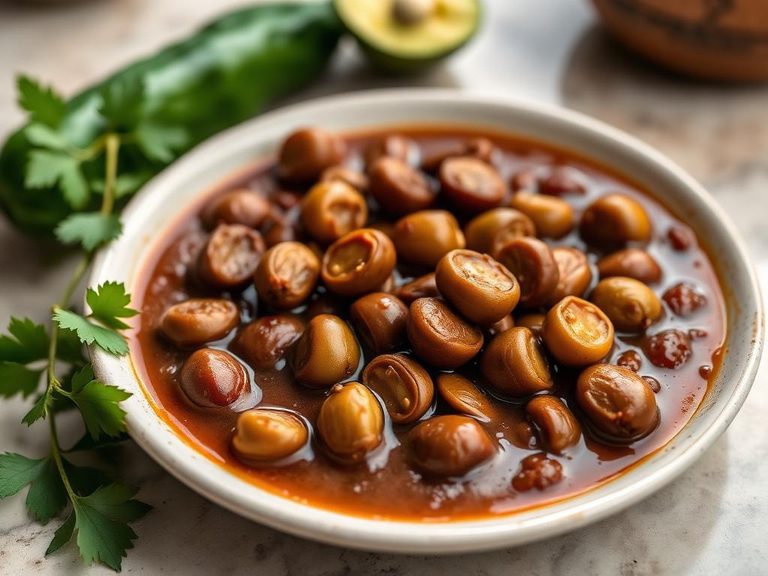
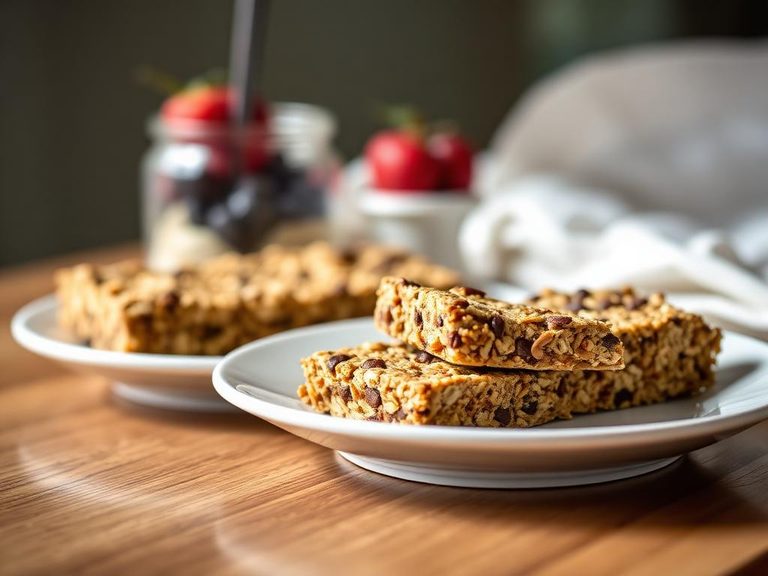
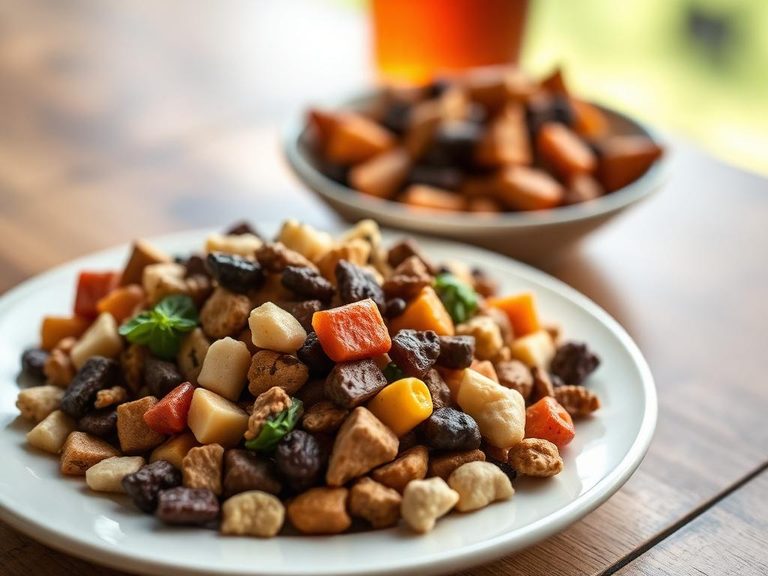
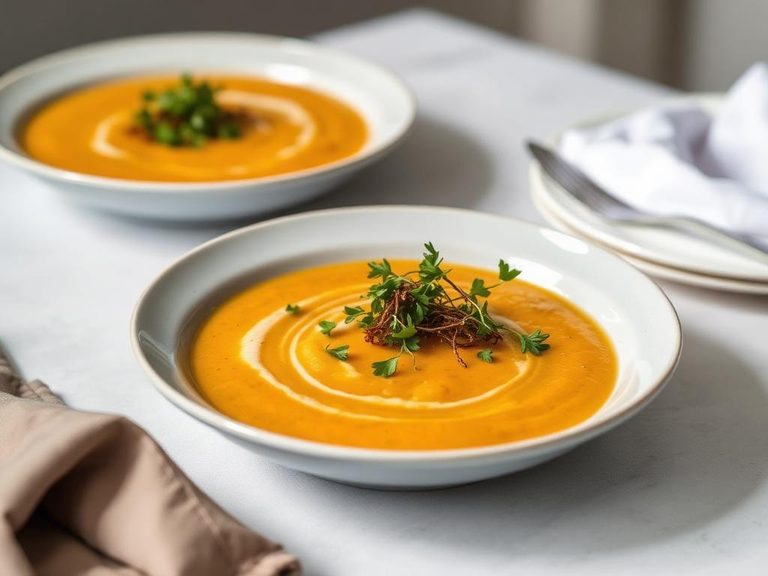
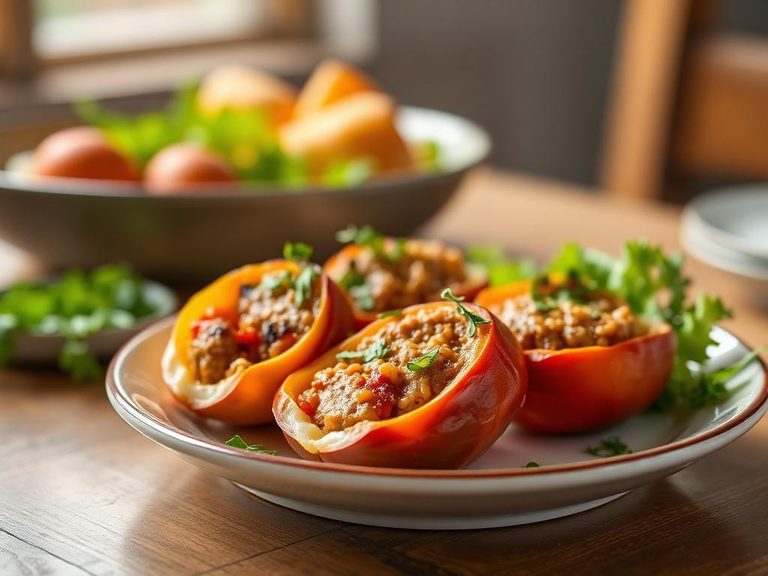
🍽️ Popular dishes

🌍 Where it's eaten
💡 Did you know?
The word 'pepita' is Spanish for 'little squash seed,' and these seeds were a staple food for indigenous peoples in the Americas long before European contact.
Full nutrition (USDA data · scales with serving)
| Water | 2.0 g |
| Energy | 574 kcal |
| Energy | 2401 kj |
| Protein | 29.8 g |
| Total lipid (fat) | 49.0 g |
| Ash | 4.4 g |
| Carbohydrate, by difference | 14.7 g |
| Fiber, total dietary | 6.5 g |
| Total Sugars | 1.3 g |
| Sucrose | 1.1 g |
| Glucose | 0.07 g |
| Fructose | 0.07 g |
| Lactose | 0.00 g |
| Maltose | 0.00 g |
| Galactose | 0.00 g |
| Starch | 0.74 g |
| Calcium, Ca | 52.0 mg |
| Iron, Fe | 8.1 mg |
| Magnesium, Mg | 550 mg |
| Phosphorus, P | 1174 mg |
| Potassium, K | 788 mg |
| Sodium, Na | 18.0 mg |
| Zinc, Zn | 7.6 mg |
| Copper, Cu | 1.3 mg |
| Manganese, Mn | 4.5 mg |
| Selenium, Se | 9.4 ug |
| Vitamin C, total ascorbic acid | 1.8 mg |
| Thiamin | 0.07 mg |
| Riboflavin | 0.15 mg |
| Niacin | 4.4 mg |
| Pantothenic acid | 0.57 mg |
| Vitamin B-6 | 0.10 mg |
| Folate, total | 57.0 ug |
| Folic acid | 0.00 ug |
| Folate, food | 57.0 ug |
| Folate, DFE | 57.0 ug |
| Choline, total | 63.0 mg |
| Betaine | 1.5 mg |
| Vitamin B-12 | 0.00 ug |
| Vitamin B-12, added | 0.00 ug |
| Vitamin A, RAE | 0.00 ug |
| Retinol | 0.00 ug |
| Carotene, beta | 5.0 ug |
| Carotene, alpha | 1.0 ug |
| Cryptoxanthin, beta | 0.00 ug |
| Vitamin A, IU | 8.0 iu |
| Lycopene | 0.00 ug |
| Lutein + zeaxanthin | 30.0 ug |
| Vitamin E (alpha-tocopherol) | 0.56 mg |
| Vitamin E, added | 0.00 mg |
| Tocopherol, beta | 0.09 mg |
| Tocopherol, gamma | 12.7 mg |
| Tocopherol, delta | 0.28 mg |
| Tocotrienol, alpha | 0.00 mg |
| Tocotrienol, beta | 0.00 mg |
| Tocotrienol, gamma | 0.00 mg |
| Tocotrienol, delta | 0.00 mg |
| Vitamin D (D2 + D3), International Units | 0.00 iu |
| Vitamin D (D2 + D3) | 0.00 ug |
| Vitamin K (phylloquinone) | 4.5 ug |
| Vitamin K (Dihydrophylloquinone) | 0.00 ug |
| Vitamin K (Menaquinone-4) | 0.00 ug |
| Alcohol, ethyl | 0.00 g |
| Caffeine | 0.00 mg |
| Theobromine | 0.00 mg |
Fat & fatty acid profile (per 100g)
| Fatty acids, total saturated | 8.5 g |
| SFA 4:0 | 0.00 g |
| SFA 6:0 | 0.01 g |
| SFA 8:0 | 0.00 g |
| SFA 10:0 | 0.00 g |
| SFA 12:0 | 0.01 g |
| SFA 14:0 | 0.06 g |
| SFA 15:0 | 0.01 g |
| SFA 16:0 | 5.2 g |
| SFA 17:0 | 0.04 g |
| SFA 18:0 | 2.9 g |
| SFA 20:0 | 0.22 g |
| SFA 22:0 | 0.06 g |
| SFA 24:0 | 0.04 g |
| Fatty acids, total monounsaturated | 15.7 g |
| MUFA 14:1 | 0.00 g |
| MUFA 15:1 | 0.00 g |
| MUFA 16:1 | 0.04 g |
| MUFA 16:1 c | 0.04 g |
| MUFA 17:1 | 0.00 g |
| MUFA 18:1 | 15.6 g |
| MUFA 18:1 c | 15.6 g |
| MUFA 20:1 | 0.05 g |
| MUFA 22:1 | 0.00 g |
| MUFA 22:1 c | 0.00 g |
| MUFA 24:1 c | 0.01 g |
| Fatty acids, total polyunsaturated | 19.9 g |
| PUFA 18:2 | 19.6 g |
| PUFA 18:2 n-6 c,c | 19.6 g |
| PUFA 18:2 CLAs | 0.01 g |
| PUFA 18:3 | 0.11 g |
| PUFA 18:3 n-3 c,c,c (ALA) | 0.11 g |
| PUFA 18:3 n-6 c,c,c | 0.00 g |
| PUFA 18:4 | 0.00 g |
| PUFA 20:2 n-6 c,c | 0.01 g |
| PUFA 20:3 | 0.00 g |
| PUFA 20:3 n-3 | 0.00 g |
| PUFA 20:3 n-6 | 0.00 g |
| PUFA 20:4 | 0.12 g |
| PUFA 20:5 n-3 (EPA) | 0.00 g |
| PUFA 22:4 | 0.01 g |
| PUFA 22:5 n-3 (DPA) | 0.00 g |
| PUFA 22:6 n-3 (DHA) | 0.00 g |
| Fatty acids, total trans | 0.04 g |
| Fatty acids, total trans-monoenoic | 0.02 g |
| TFA 16:1 t | 0.00 g |
| TFA 18:1 t | 0.01 g |
| TFA 22:1 t | 0.00 g |
| TFA 18:2 t not further defined | 0.03 g |
| Fatty acids, total trans-polyenoic | 0.03 g |
| Cholesterol | 0.00 mg |
| Stigmasterol | 0.00 mg |
| Campesterol | 3.0 mg |
| Beta-sitosterol | 13.0 mg |
Amino acid profile (per 100g)
| Tryptophan | 0.57 g |
| Threonine | 0.98 g |
| Isoleucine | 1.3 g |
| Leucine | 2.4 g |
| Lysine | 1.2 g |
| Methionine | 0.59 g |
| Cystine | 0.33 g |
| Phenylalanine | 1.7 g |
| Tyrosine | 1.1 g |
| Valine | 1.6 g |
| Arginine | 5.3 g |
| Histidine | 0.77 g |
| Alanine | 1.5 g |
| Aspartic acid | 2.9 g |
| Glutamic acid | 6.1 g |
| Glycine | 1.8 g |
| Proline | 1.3 g |
| Serine | 1.7 g |
FAQ
Are pumpkin seeds and pepitas the same thing?
Often used interchangeably, but technically, 'pepitas' are the inner, green kernel that can be harvested from certain pumpkin varieties (like Styrian pumpkins) that have hull-less seeds. In common usage, especially in the US, 'pepitas' refers to the shelled, roasted seeds of any pumpkin or squash.
How should I store roasted pumpkin seeds to keep them crunchy?
Store them in an airtight container at room temperature in a cool, dark place. They will stay fresh for 1-2 months. For longer storage, you can refrigerate or freeze them for up to 6 months.
What's the best way to add them to my diet?
They are incredibly versatile! Sprinkle them on salads, yogurt, oatmeal, or avocado toast. Blend them into pesto or smoothies. Use them as a coating for fish or chicken, or simply enjoy them by the handful as a protein-rich snack.
Nutrient density (calculated · NRF9.3)
Nutrient Rich Foods index: beneficial nutrients (protein, fiber, vitamins, minerals) minus saturated fat, added sugar & sodium, per 100 kcal.
NRF9.3 index — Fulgoni, Keast & Drewnowski, 2009. Computed from USDA nutrients.
Weight-loss friendliness (composite index)
Energy density 5.74 kcal/g · 21% calories from protein · 6.5 g fiber · 1.3 g sugar per 100 g.
Composite of energy density (Rolls et al., 1999), protein & fiber satiety, minus sugar. A calculated heuristic — ranks satiety-per-calorie, not a clinical measure.
Dietary load (calculated from USDA values)
Potential renal acid load. Positive = acid-forming, negative = alkaline-forming.
Sodium-to-potassium ratio: 0.02 (lower is better — aim for ≤ 1)
Sodium:potassium per WHO potassium guidance. Computed from USDA nutrients.