

Seeds, sesame seeds, whole, dried
Whole food · Nut and Seed Products
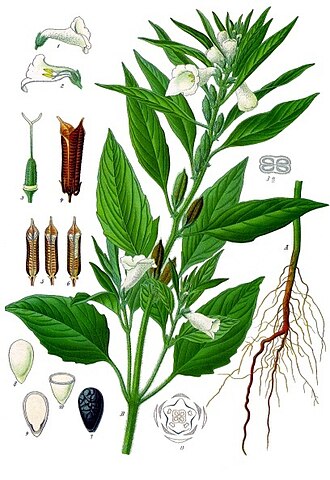
Photo: Wikipedia
Whole dried sesame seeds are tiny, flat, teardrop-shaped seeds with a rich, nutty flavor and a satisfying, subtle crunch. Nutritionally, they are a powerhouse, delivering nearly 50 grams of heart-healthy fats and a robust 18 grams of plant-based protein per 100 grams, along with significant fiber.
Calorie split: 12% protein · 15% carbs · 73% fat
↓ Full nutrition💚 Why it's loved
People adore sesame seeds for their deep, toasty flavor that enhances both sweet and savory dishes, and their incredible versatility as a topping, ingredient, or paste base. They are a cornerstone flavor in cuisines from the Middle East to East Asia, often symbolizing prosperity and longevity.
⚠️ Watch-outs & how to enjoy it better
As a common allergen, sesame can trigger serious reactions in sensitive individuals. Their high calorie density means portions should be mindful, and the phytic acid content can slightly reduce mineral absorption. To counteract, pair with vitamin C-rich foods to boost iron uptake, and always check labels for hidden sesame in processed foods if allergic.
Key benefits
- Excellent source of plant-based protein and healthy fats
- High in dietary fiber, supporting digestive health
- Rich in minerals like calcium, magnesium, and iron
- Contains lignans with antioxidant properties
- Provides a concentrated source of energy
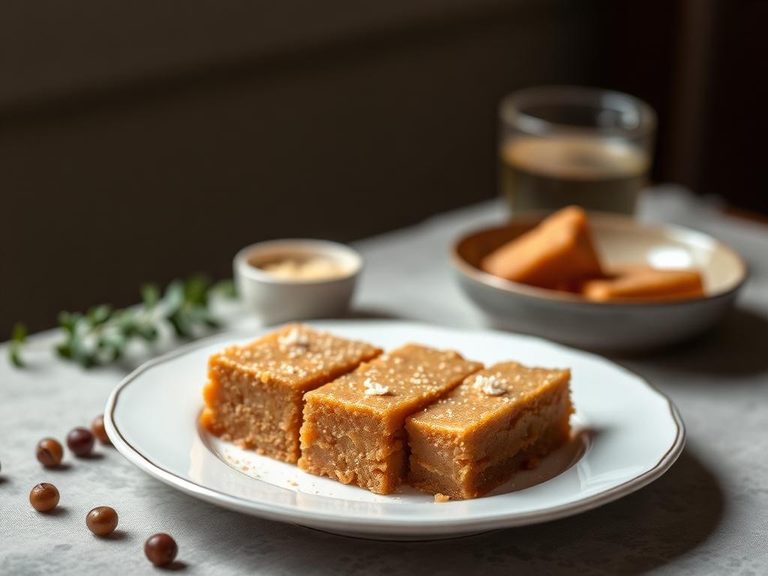
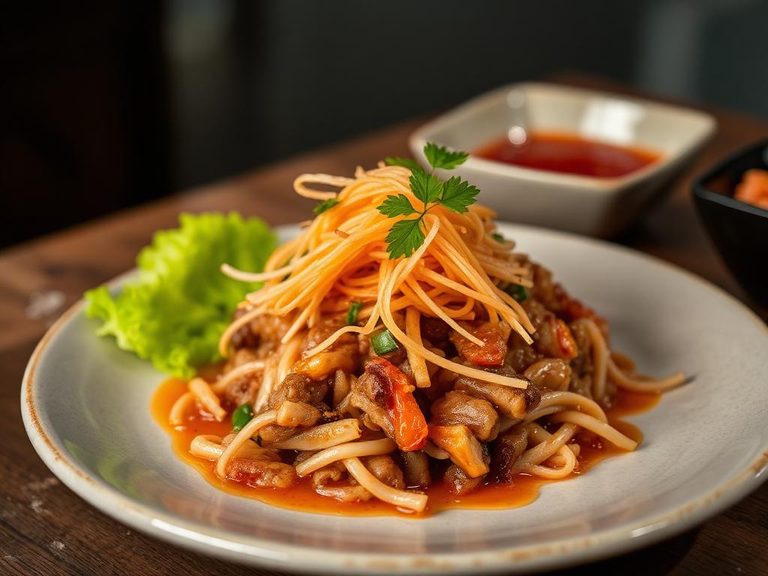
🍽️ Popular dishes
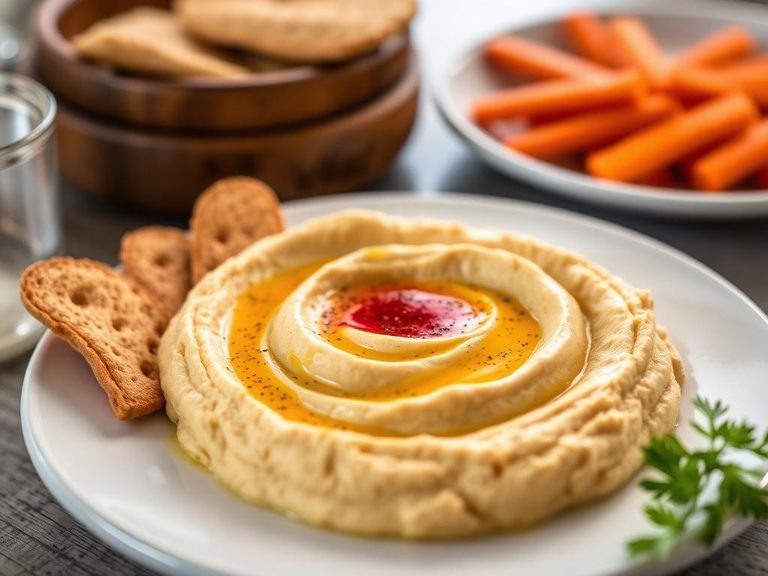
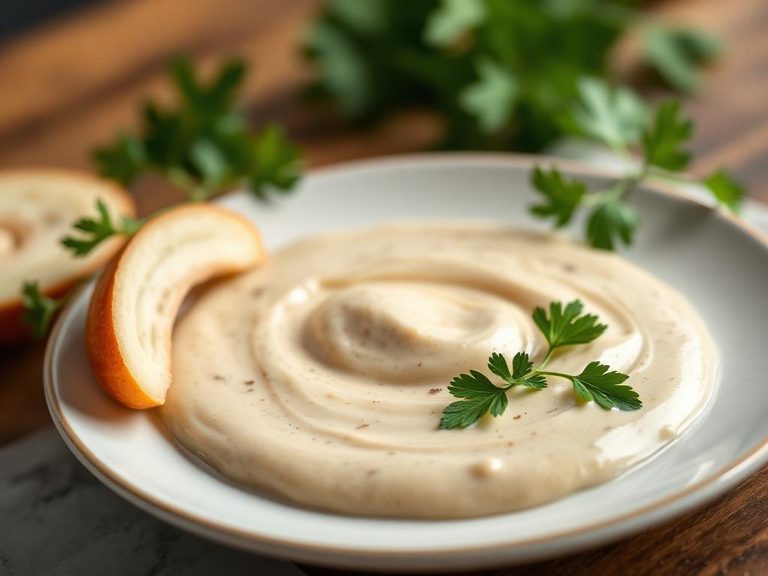

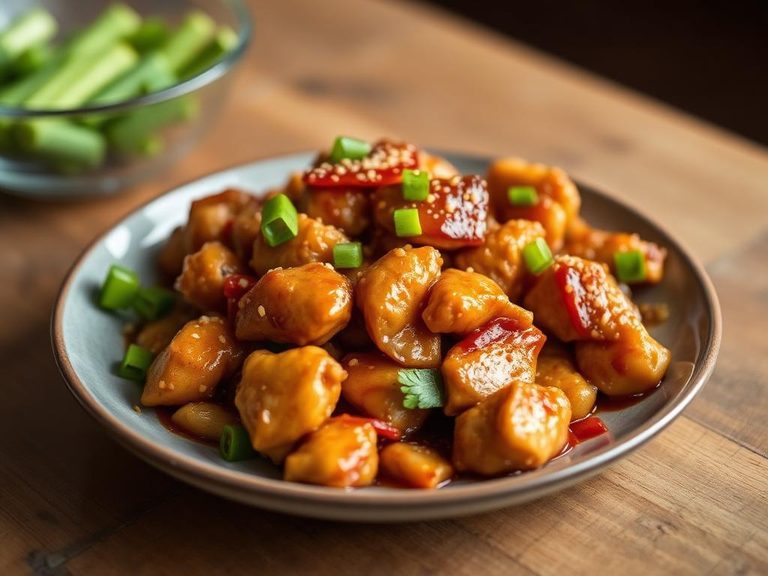
🌍 Where it's eaten
💡 Did you know?
The phrase 'open sesame' from Ali Baba and the Forty Thieves likely references the dramatic way a sesame seed pod bursts open when ripe.
Full nutrition (USDA data · scales with serving)
| Water | 4.7 g |
| Energy | 573 kcal |
| Energy | 2397 kj |
| Protein | 17.7 g |
| Total lipid (fat) | 49.7 g |
| Ash | 4.5 g |
| Carbohydrate, by difference | 23.4 g |
| Fiber, total dietary | 11.8 g |
| Total Sugars | 0.30 g |
| Calcium, Ca | 975 mg |
| Iron, Fe | 14.6 mg |
| Magnesium, Mg | 351 mg |
| Phosphorus, P | 629 mg |
| Potassium, K | 468 mg |
| Sodium, Na | 11.0 mg |
| Zinc, Zn | 7.8 mg |
| Copper, Cu | 4.1 mg |
| Manganese, Mn | 2.5 mg |
| Selenium, Se | 34.4 ug |
| Vitamin C, total ascorbic acid | 0.00 mg |
| Thiamin | 0.79 mg |
| Riboflavin | 0.25 mg |
| Niacin | 4.5 mg |
| Pantothenic acid | 0.05 mg |
| Vitamin B-6 | 0.79 mg |
| Folate, total | 97.0 ug |
| Folic acid | 0.00 ug |
| Folate, food | 97.0 ug |
| Folate, DFE | 97.0 ug |
| Choline, total | 25.6 mg |
| Vitamin B-12 | 0.00 ug |
| Vitamin B-12, added | 0.00 ug |
| Vitamin A, RAE | 0.00 ug |
| Retinol | 0.00 ug |
| Carotene, beta | 5.0 ug |
| Carotene, alpha | 0.00 ug |
| Cryptoxanthin, beta | 0.00 ug |
| Vitamin A, IU | 9.0 iu |
| Lycopene | 0.00 ug |
| Lutein + zeaxanthin | 0.00 ug |
| Vitamin E (alpha-tocopherol) | 0.25 mg |
| Vitamin E, added | 0.00 mg |
| Vitamin D (D2 + D3), International Units | 0.00 iu |
| Vitamin D (D2 + D3) | 0.00 ug |
| Vitamin K (phylloquinone) | 0.00 ug |
| Alcohol, ethyl | 0.00 g |
| Caffeine | 0.00 mg |
| Theobromine | 0.00 mg |
Fat & fatty acid profile (per 100g)
| Fatty acids, total saturated | 7.0 g |
| SFA 4:0 | 0.00 g |
| SFA 6:0 | 0.00 g |
| SFA 8:0 | 0.00 g |
| SFA 10:0 | 0.00 g |
| SFA 12:0 | 0.00 g |
| SFA 14:0 | 0.12 g |
| SFA 16:0 | 4.4 g |
| SFA 18:0 | 2.1 g |
| Fatty acids, total monounsaturated | 18.8 g |
| MUFA 16:1 | 0.15 g |
| MUFA 18:1 | 18.5 g |
| MUFA 20:1 | 0.07 g |
| MUFA 22:1 | 0.00 g |
| Fatty acids, total polyunsaturated | 21.8 g |
| PUFA 18:2 | 21.4 g |
| PUFA 18:3 | 0.38 g |
| PUFA 18:4 | 0.00 g |
| PUFA 20:4 | 0.00 g |
| PUFA 20:5 n-3 (EPA) | 0.00 g |
| PUFA 22:5 n-3 (DPA) | 0.00 g |
| PUFA 22:6 n-3 (DHA) | 0.00 g |
| Cholesterol | 0.00 mg |
| Phytosterols | 714 mg |
Amino acid profile (per 100g)
| Tryptophan | 0.39 g |
| Threonine | 0.74 g |
| Isoleucine | 0.76 g |
| Leucine | 1.4 g |
| Lysine | 0.57 g |
| Methionine | 0.59 g |
| Cystine | 0.36 g |
| Phenylalanine | 0.94 g |
| Tyrosine | 0.74 g |
| Valine | 0.99 g |
| Arginine | 2.6 g |
| Histidine | 0.52 g |
| Alanine | 0.93 g |
| Aspartic acid | 1.6 g |
| Glutamic acid | 4.0 g |
| Glycine | 1.2 g |
| Proline | 0.81 g |
| Serine | 0.97 g |
FAQ
What's the difference between white and black sesame seeds?
Black sesame seeds have a stronger, more bitter flavor and are often used in Asian desserts and medicinal preparations. White (or tan) seeds are milder and more common in baking and as a topping.
Should I toast sesame seeds before using them?
Toasting is highly recommended. It dramatically amplifies their nutty aroma and flavor. You can toast them in a dry skillet over medium heat for 2-3 minutes until golden and fragrant.
How should I store sesame seeds?
Due to their high oil content, they can go rancid. Store whole seeds in an airtight container in a cool, dark place for up to 6 months, or in the refrigerator/freezer for longer shelf life.
Nutrient density (calculated · NRF9.3)
Nutrient Rich Foods index: beneficial nutrients (protein, fiber, vitamins, minerals) minus saturated fat, added sugar & sodium, per 100 kcal.
NRF9.3 index — Fulgoni, Keast & Drewnowski, 2009. Computed from USDA nutrients.
Weight-loss friendliness (composite index)
Energy density 5.73 kcal/g · 12% calories from protein · 11.8 g fiber · 0.3 g sugar per 100 g.
Composite of energy density (Rolls et al., 1999), protein & fiber satiety, minus sugar. A calculated heuristic — ranks satiety-per-calorie, not a clinical measure.
Dietary load (calculated from USDA values)
Potential renal acid load. Positive = acid-forming, negative = alkaline-forming.
Sodium-to-potassium ratio: 0.02 (lower is better — aim for ≤ 1)
Sodium:potassium per WHO potassium guidance. Computed from USDA nutrients.