

Stuffed into vegetables or meats
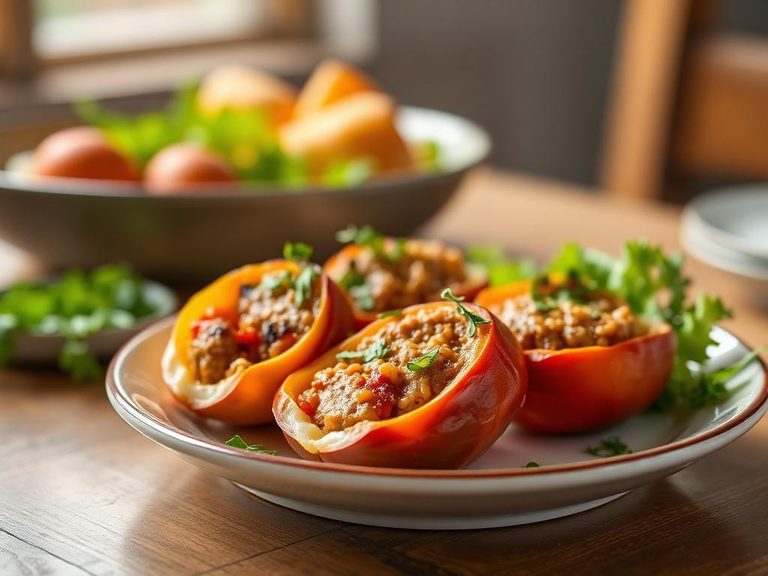
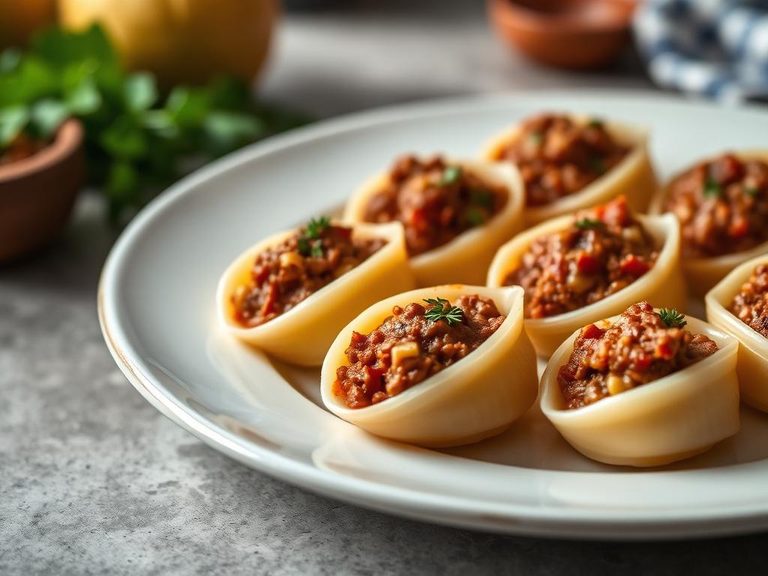
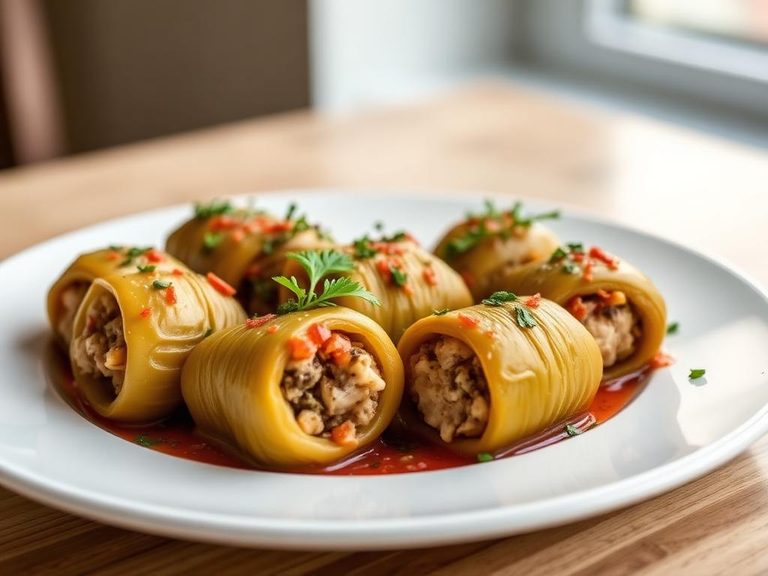
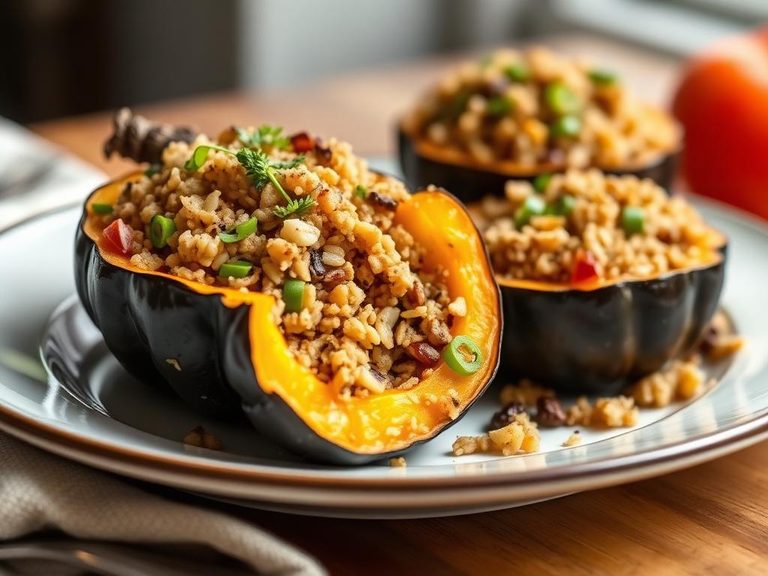
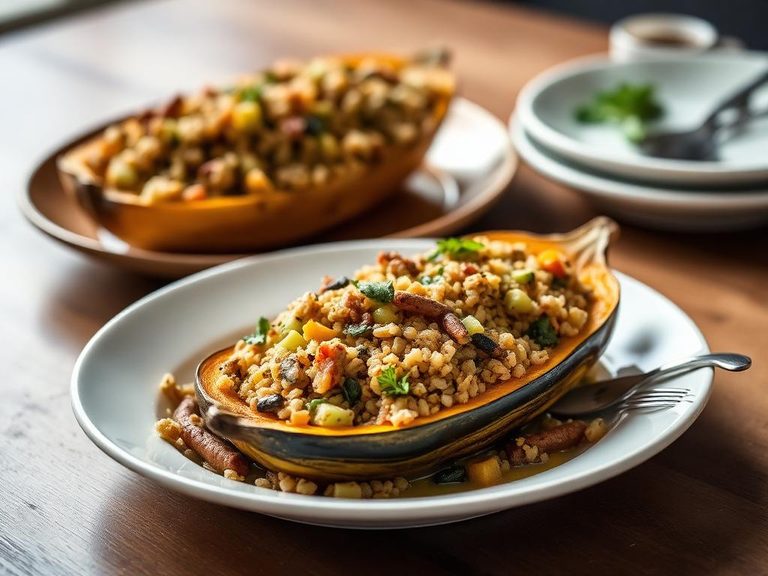
Stuffed into vegetables or meats is a versatile culinary technique where ingredients like grains, minced meat, herbs, or cheese are filled into hollowed-out vegetables (such as bell peppers, zucchini, or tomatoes) or meat cuts (like chicken breast or squid). This method is found across many cuisines, including Mediterranean, Middle Eastern, and Asian cooking, often reflecting local agricultural staples and flavor profiles.
🍳 View the full Stuffed into vegetables or meats recipe →
🍽️ Nutrition at a glance
Depending on the filling and base, this dish can be balanced in macronutrients—providing protein from meat or legumes, healthy fats from oils or nuts, and carbs from grains or starchy vegetables. A typical serving might range from 250 to 400 calories, with key nutrients like fiber, vitamins (e.g., vitamin C from peppers), and minerals such as iron.
Nutrition breakdown
| Calories | 220 kcal |
| Protein | 12 g |
| Carbs | 20 g |
| Fat | 10 g |
| Fiber | 4 g |
| Sugar | 6 g |
| Sodium | 450 mg |
| Vitamin C | 150 mg |
| Vitamin A | 180 mcg |
| Potassium | 400 mg |
| Iron | 2 mg |
| Calcium | 80 mg |
| Vitamin B6 | 0.3 mg |
| Folate | 60 mcg |
| Magnesium | 25 mg |
Per 1 stuffed bell pepper (240 g) · estimated, varies by recipe
💡 What's interesting
Culturally, this technique showcases resourcefulness and creativity, transforming simple ingredients into elegant dishes that are often central to family meals or festivals. Nutritionally, it allows for customizable portions and can easily accommodate dietary preferences, such as vegetarian or high-protein diets, making it a practical and inclusive cooking approach.
🍽️ Related dishes
AI estimate may be inaccurate · Terms