

Glazes for meats or vegetables

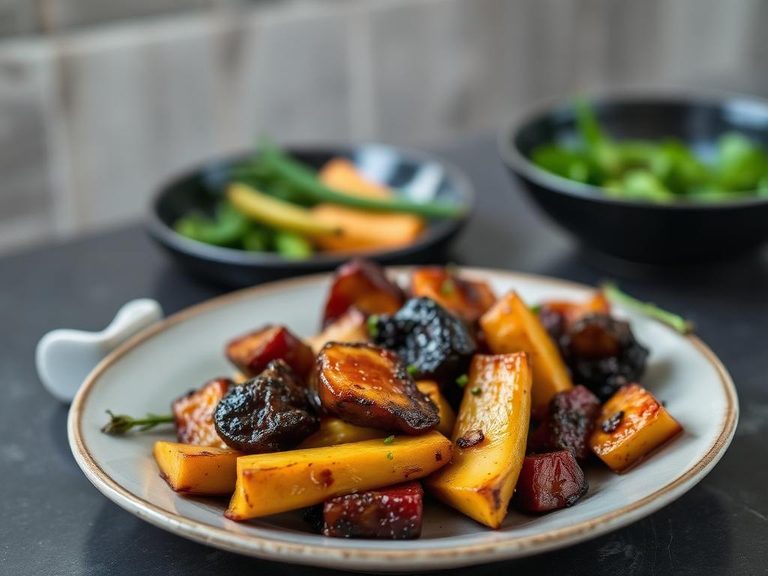
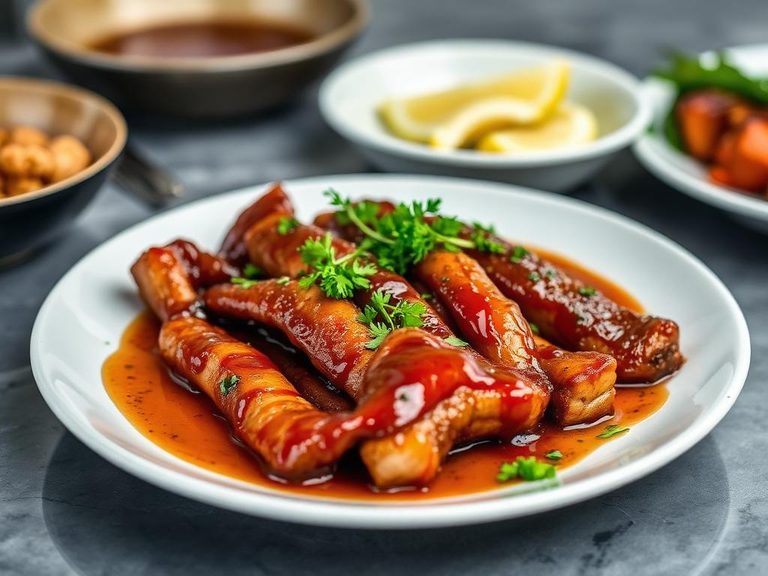
Glazes for meats or vegetables are glossy, flavorful coatings applied during the final stages of cooking, typically made from a sweetener like honey, maple syrup, or brown sugar, combined with an acidic component such as vinegar or citrus juice, and often enhanced with spices, herbs, or savory elements like soy sauce or mustard. They are a universal culinary technique found in cuisines worldwide, from American barbecue to Asian stir-fries and European roasts.
🍳 View the full Glazes for meats or vegetables recipe →
🍽️ Nutrition at a glance
Glazes are generally high in carbohydrates and sugars due to their sweet base, with minimal protein and fat unless enriched with ingredients like butter or oil. A typical serving provides a quick energy boost and may offer trace minerals like potassium or iron depending on the specific ingredients used.
Nutrition breakdown
| Calories | 70 kcal |
| Protein | 0.1 g |
| Carbs | 18 g |
| Fat | 0 g |
| Fiber | 0 g |
| Sugar | 16 g |
| Sodium | 120 mg |
| Potassium | 25 mg |
| Iron | 0.2 mg |
| Calcium | 5 mg |
| Magnesium | 3 mg |
| Phosphorus | 8 mg |
| Vitamin C | 1 mg |
| Manganese | 0.1 mg |
| Copper | 0.01 mg |
Per 2 tablespoons (30 g) · estimated, varies by recipe
💡 What's interesting
Culturally, glazes are fascinating as they represent a bridge between sweet and savory flavor profiles, a hallmark of many global cuisines. Nutritionally, while they add significant flavor and visual appeal, their high sugar content means they are best used in moderation to complement, rather than dominate, a dish.
🍽️ Related dishes






AI estimate may be inaccurate · Terms