Confectionery glazes and panning
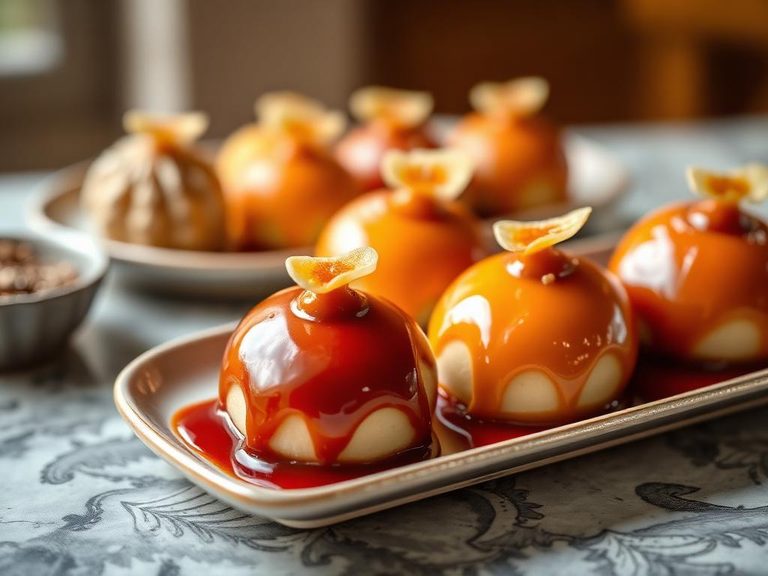
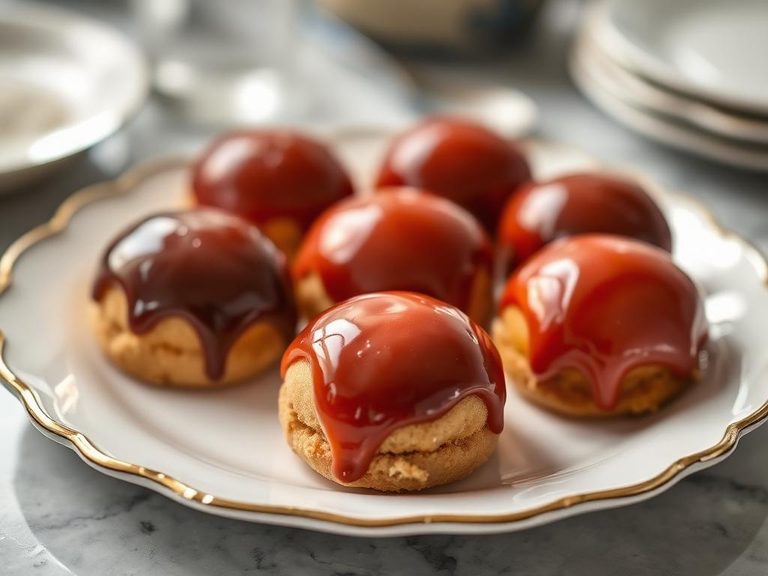
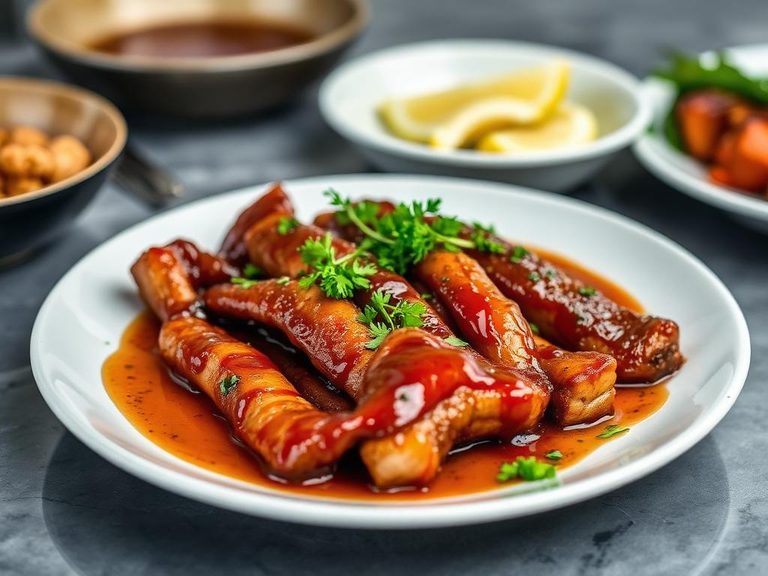
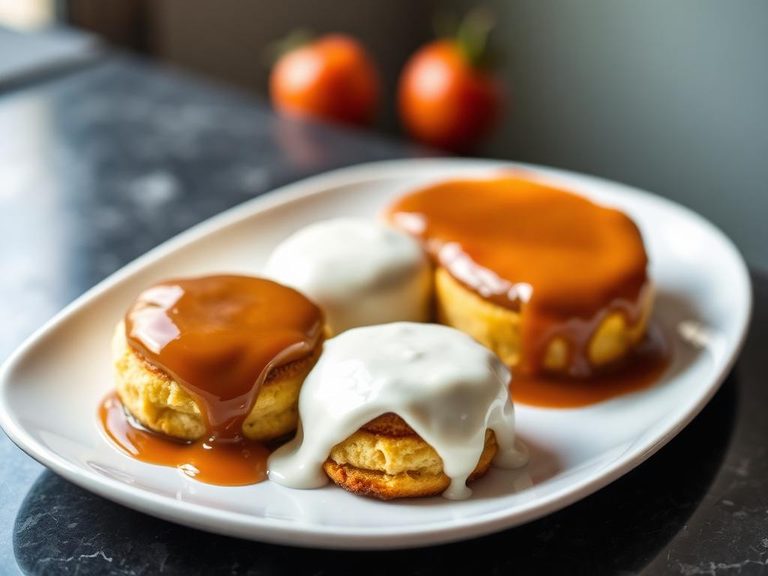
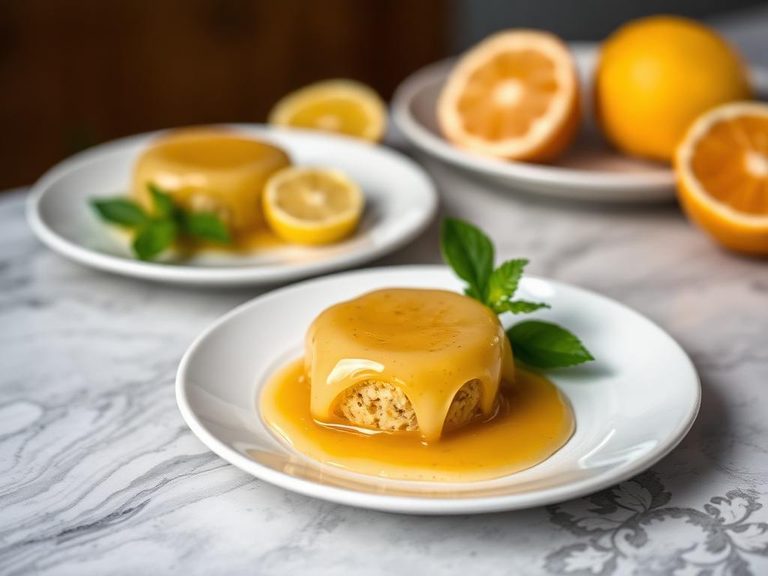
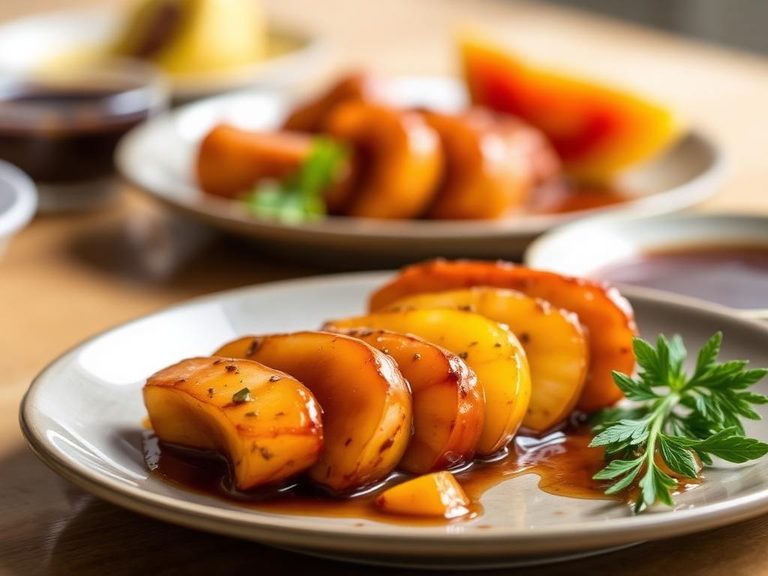
Confectionery glazes and panning is a decorative and protective coating technique used on candies, nuts, and fruits, involving the application of multiple layers of sugar syrup or chocolate. It typically consists of sugar, corn syrup, water, and sometimes shellac or beeswax for shine, originating from traditional European confectionery methods.
🍽️ Nutrition at a glance
This is a high-carbohydrate, high-sugar preparation with minimal protein or fat, primarily providing quick energy from simple sugars. A typical serving can contain around 100-150 calories, with negligible vitamins or minerals beyond trace amounts.
Nutrition breakdown
| Calories | 120 kcal |
| Protein | 0 g |
| Carbs | 30 g |
| Fat | 0 g |
| Fiber | 0 g |
| Sugar | 28 g |
| Sodium | 5 mg |
| Iron | 0.1 mg |
| Calcium | 2 mg |
💡 What's interesting
The panning technique is a centuries-old art that creates a smooth, glossy finish, and the thin edible glazes often contain plant-based shellac (confectioner's glaze) derived from lac beetle secretions, which is safe for consumption but surprising to many.