Confectionery glazes and enrobing
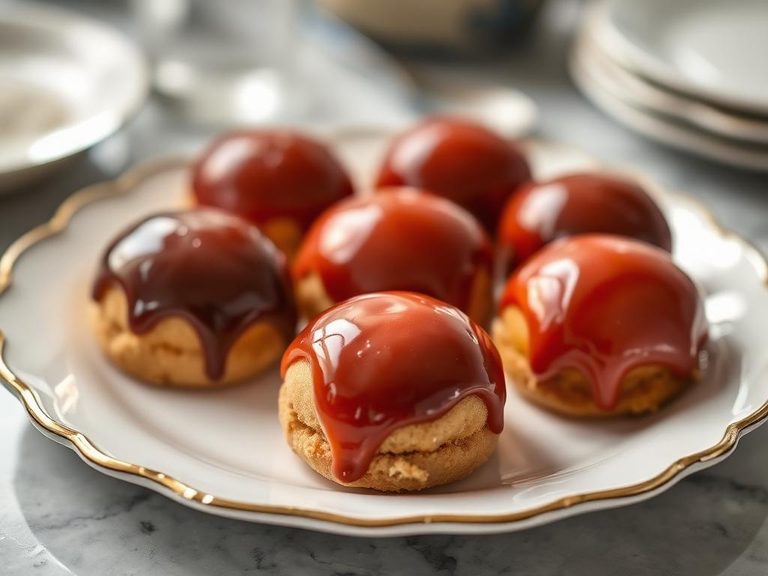
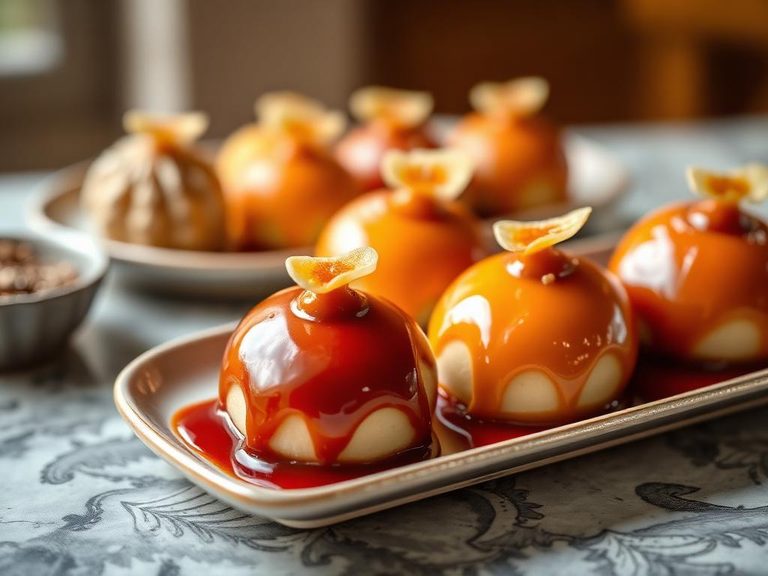
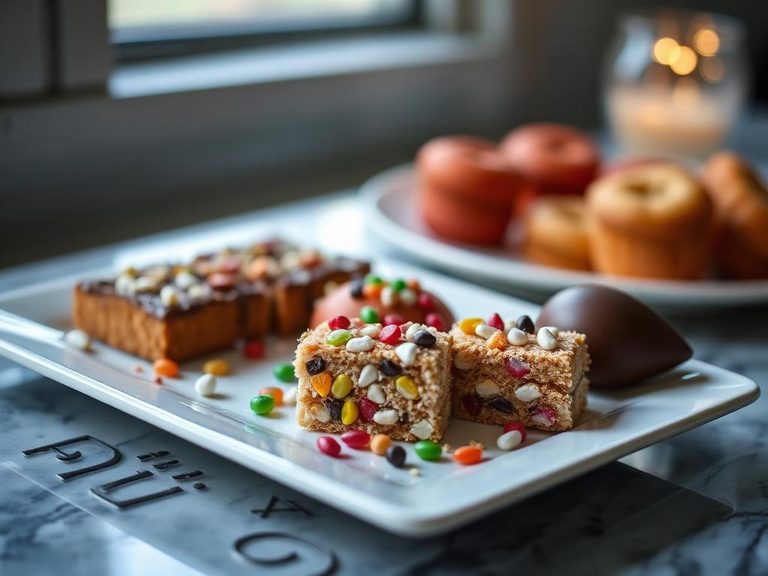
Confectionery glazes and enrobing refer to the glossy, smooth coatings used to cover and seal confections like chocolates, pastries, and candies. They are typically made from a combination of sugar, cocoa butter, milk solids, and sometimes waxes or resins for shine and stability. This technique is fundamental in professional confectionery and has roots in European chocolate-making traditions.
🍽️ Nutrition at a glance
These coatings are very high in carbohydrates and fat, primarily from sugar and cocoa butter, with minimal protein. A typical serving provides a significant calorie burst, mostly from simple sugars and saturated fats.
Nutrition breakdown
| Calories | 80 kcal |
| Protein | 0.5 g |
| Carbs | 10 g |
| Fat | 5 g |
| Fiber | 0.5 g |
| Sugar | 9 g |
| Sodium | 10 mg |
| Iron | 0.5 mg |
| Magnesium | 10 mg |
| Copper | 0.05 mg |
| Manganese | 0.1 mg |
| Phosphorus | 15 mg |
| Zinc | 0.1 mg |
| Theobromine | 5 mg |
| Caffeine | 1 mg |
Per 1 piece (15 g) of enrobed chocolate candy · estimated, varies by recipe
💡 What's interesting
The 'snap' of a well-tempered chocolate enrobing is a prized sensory quality, achieved through precise crystallization of cocoa butter. Nutritionally, they are a dense energy source, but the high sugar content places them firmly in the 'treat' category.