

Water, tap
Common food
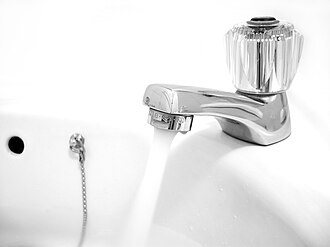
Photo: Wikipedia
Tap water is the clear, odorless, and tasteless liquid that flows from your faucet, essential for hydration and the preparation of virtually every other food and drink. Its purity and mineral content can vary by location, giving it a subtle 'terroir' that some can detect. Nutritionally, it provides zero calories but is a vital source of dissolved minerals like calcium and magnesium.
💚 Why it's loved
People love tap water for its unparalleled convenience, constant availability, and role as the universal base for beverages from coffee to soup. Its neutrality makes it the perfect canvas, allowing the flavors of other ingredients to shine.
⚠️ Watch-outs & how to enjoy it better
The primary dislike is the potential for off-putting tastes or odors from chlorine or pipe materials, which can deter some drinkers. To counteract this, a simple carbon filter pitcher or letting water sit in an open pitcher for 30 minutes can significantly improve taste. Those in areas with hard water may notice mineral buildup on appliances.
Key benefits
- Essential for hydration and all bodily functions
- Zero calories, making it ideal for weight management
- Often contains beneficial minerals like calcium and fluoride
- Primary ingredient for cooking, brewing, and food safety
- More affordable and environmentally friendly than bottled water
🍽️ Popular dishes

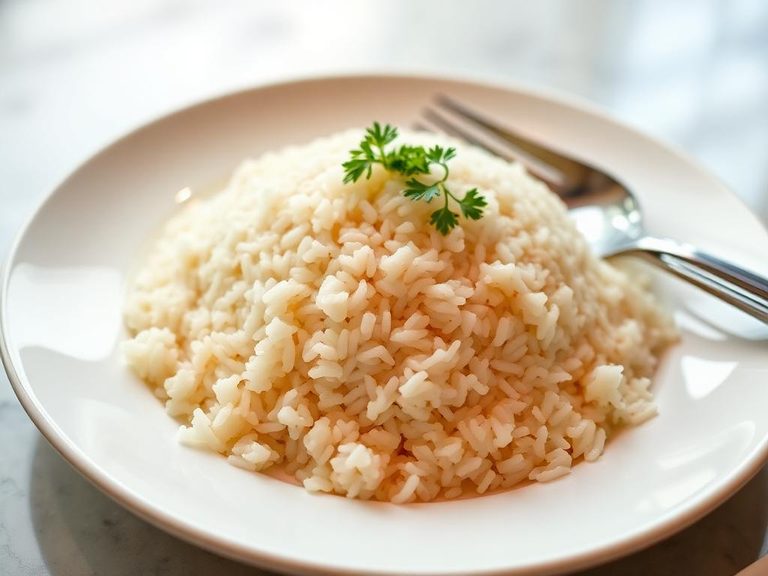
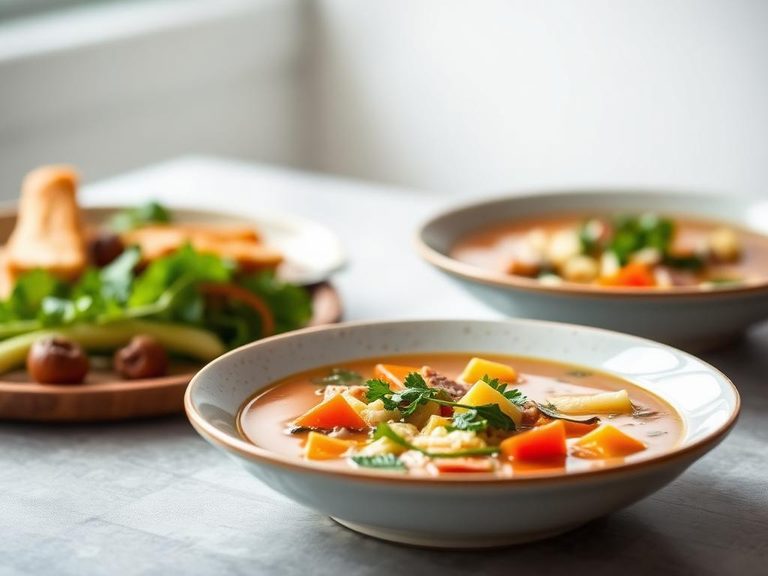
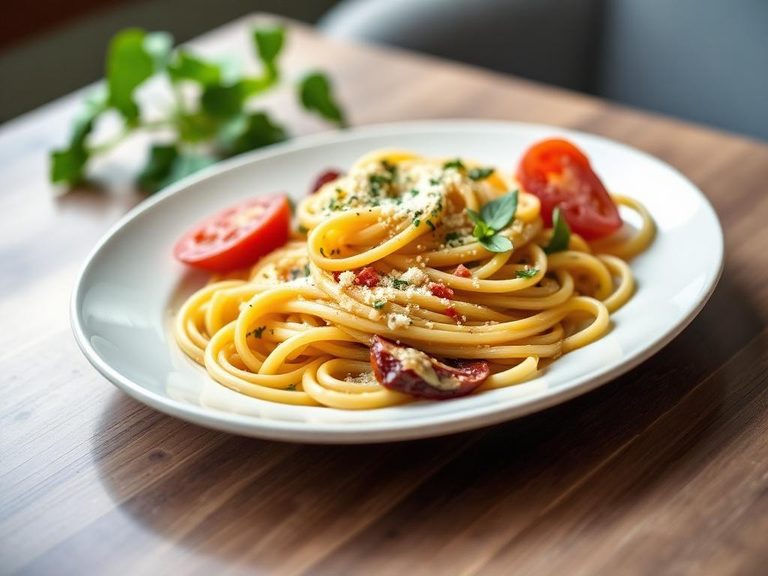
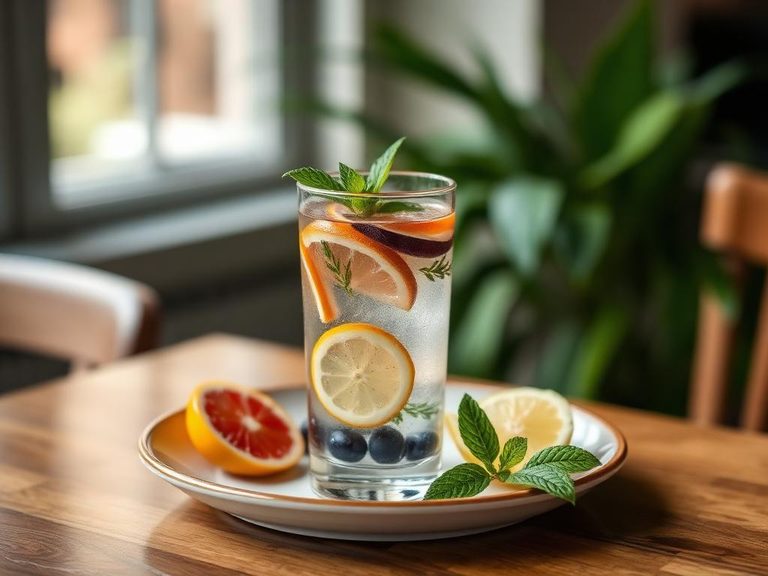
🌍 Where it's eaten
💡 Did you know?
The water in your tap may have fallen as rain hundreds or even thousands of years ago, passing through countless natural and man-made filtration systems before reaching your glass.
Full nutrition (USDA data · scales with serving)
| Water | 99.9 g |
| Energy | 0.00 kcal |
| Protein | 0.00 g |
| Total lipid (fat) | 0.00 g |
| Carbohydrate, by difference | 0.00 g |
| Fiber, total dietary | 0.00 g |
| Total Sugars | 0.00 g |
| Calcium, Ca | 3.0 mg |
| Iron, Fe | 0.00 mg |
| Magnesium, Mg | 1.0 mg |
| Phosphorus, P | 0.00 mg |
| Potassium, K | 0.00 mg |
| Sodium, Na | 4.0 mg |
| Zinc, Zn | 0.01 mg |
| Copper, Cu | 0.01 mg |
| Selenium, Se | 0.00 ug |
| Vitamin C, total ascorbic acid | 0.00 mg |
| Thiamin | 0.00 mg |
| Riboflavin | 0.00 mg |
| Niacin | 0.00 mg |
| Vitamin B-6 | 0.00 mg |
| Folate, total | 0.00 ug |
| Folic acid | 0.00 ug |
| Folate, food | 0.00 ug |
| Folate, DFE | 0.00 ug |
| Choline, total | 0.00 mg |
| Vitamin B-12 | 0.00 ug |
| Vitamin B-12, added | 0.00 ug |
| Vitamin A, RAE | 0.00 ug |
| Retinol | 0.00 ug |
| Carotene, beta | 0.00 ug |
| Carotene, alpha | 0.00 ug |
| Cryptoxanthin, beta | 0.00 ug |
| Lycopene | 0.00 ug |
| Lutein + zeaxanthin | 0.00 ug |
| Vitamin E (alpha-tocopherol) | 0.00 mg |
| Vitamin E, added | 0.00 mg |
| Vitamin D (D2 + D3) | 0.00 ug |
| Vitamin K (phylloquinone) | 0.00 ug |
| Alcohol, ethyl | 0.00 g |
| Caffeine | 0.00 mg |
| Theobromine | 0.00 mg |
Fat & fatty acid profile (per 100g)
| Fatty acids, total saturated | 0.00 g |
| SFA 4:0 | 0.00 g |
| SFA 6:0 | 0.00 g |
| SFA 8:0 | 0.00 g |
| SFA 10:0 | 0.00 g |
| SFA 12:0 | 0.00 g |
| SFA 14:0 | 0.00 g |
| SFA 16:0 | 0.00 g |
| SFA 18:0 | 0.00 g |
| Fatty acids, total monounsaturated | 0.00 g |
| MUFA 16:1 | 0.00 g |
| MUFA 18:1 | 0.00 g |
| MUFA 20:1 | 0.00 g |
| MUFA 22:1 | 0.00 g |
| Fatty acids, total polyunsaturated | 0.00 g |
| PUFA 18:2 | 0.00 g |
| PUFA 18:3 | 0.00 g |
| PUFA 18:4 | 0.00 g |
| PUFA 20:4 | 0.00 g |
| PUFA 20:5 n-3 (EPA) | 0.00 g |
| PUFA 22:5 n-3 (DPA) | 0.00 g |
| PUFA 22:6 n-3 (DHA) | 0.00 g |
| Cholesterol | 0.00 mg |
Amino acid profile (per 100g)
Estimated from Beverages, coffee, brewed, prepared with tap water, decaffeinated — USDA does not publish this profile for Water.
| Tryptophan | 0.00 g |
| Threonine | 0.00 g |
| Isoleucine | 0.00 g |
| Leucine | 0.01 g |
| Lysine | 0.00 g |
| Methionine | 0.00 g |
| Cystine | 0.00 g |
| Phenylalanine | 0.00 g |
| Tyrosine | 0.00 g |
| Valine | 0.00 g |
| Arginine | 0.00 g |
| Histidine | 0.00 g |
| Alanine | 0.00 g |
| Aspartic acid | 0.01 g |
| Glutamic acid | 0.02 g |
| Glycine | 0.00 g |
| Proline | 0.00 g |
| Serine | 0.00 g |
FAQ
Is tap water safe to drink?
In most developed countries, yes. Municipal tap water is strictly regulated and treated to remove pathogens. The EPA (in the US) and similar agencies worldwide set enforceable standards for safety.
Why does my tap water sometimes smell like chlorine?
Chlorine or chloramine is added by water treatment plants to disinfect the water and kill bacteria in the pipes. The smell usually dissipates if you let the water sit in an open container for a few minutes.
How does tap water compare nutritionally to bottled water?
Both can provide minerals. Tap water often contains added fluoride for dental health and may have higher levels of naturally occurring minerals like calcium and magnesium, depending on the source. Bottled water mineral content varies widely by brand.
Dietary load (calculated from USDA values)
Potential renal acid load. Positive = acid-forming, negative = alkaline-forming.
Sodium:potassium per WHO potassium guidance. Computed from USDA nutrients.