Beverages, coffee, brewed, prepared with tap water, decaffeinated
Whole food · Beverages
This is a clean, zero-calorie brew made by passing hot water through decaffeinated coffee grounds. It offers the classic, robust aroma and slightly bitter, earthy flavor of coffee without the caffeine kick. Nutritionally, it's essentially water with trace amounts of protein and minerals.
💚 Why it's loved
People love it for delivering the full-bodied, familiar flavor and ritual of coffee without the stimulant effects, making it a perfect evening or sensitive-stomach option. Its versatility allows it to be the base for lattes, iced drinks, or simply enjoyed black.
⚠️ Watch-outs & how to enjoy it better
The decaffeination process can sometimes strip away subtle flavor notes, leading to a perceived 'flat' taste for coffee connoisseurs. Some individuals may still be sensitive to trace caffeine or the natural acids in coffee, which can cause digestive discomfort. To mitigate, try a cold brew method for a smoother taste or pair it with a small meal.
Key benefits
- Provides a comforting ritual without caffeine jitters
- Contains antioxidants like chlorogenic acids
- May support hydration as part of daily fluid intake
- Offers the social and sensory experience of coffee
- Can be enjoyed at any time of day without disrupting sleep
🍽️ Popular dishes
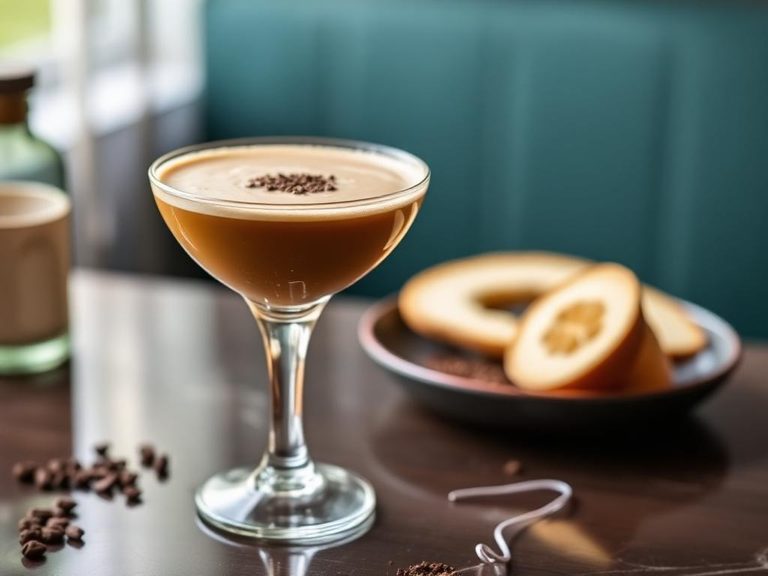
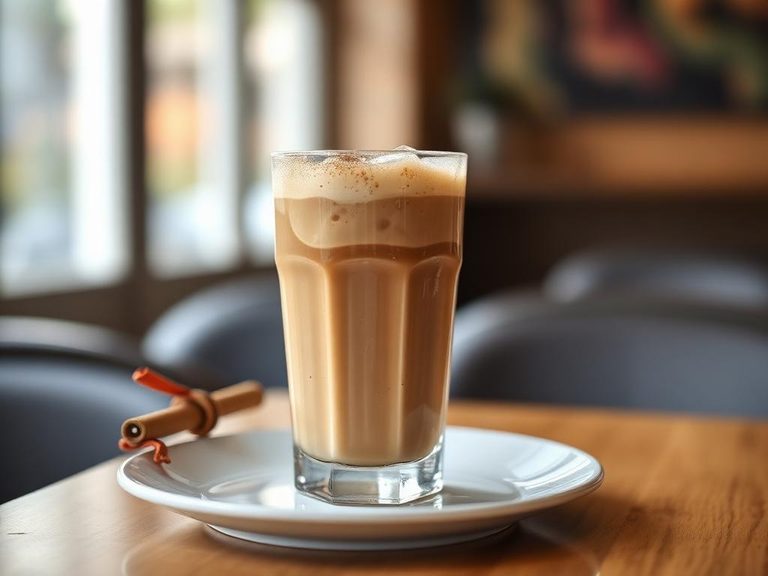
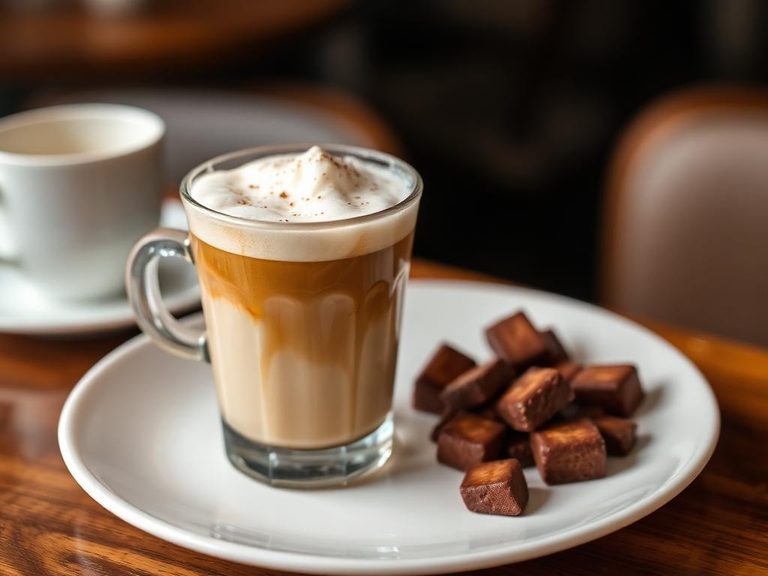
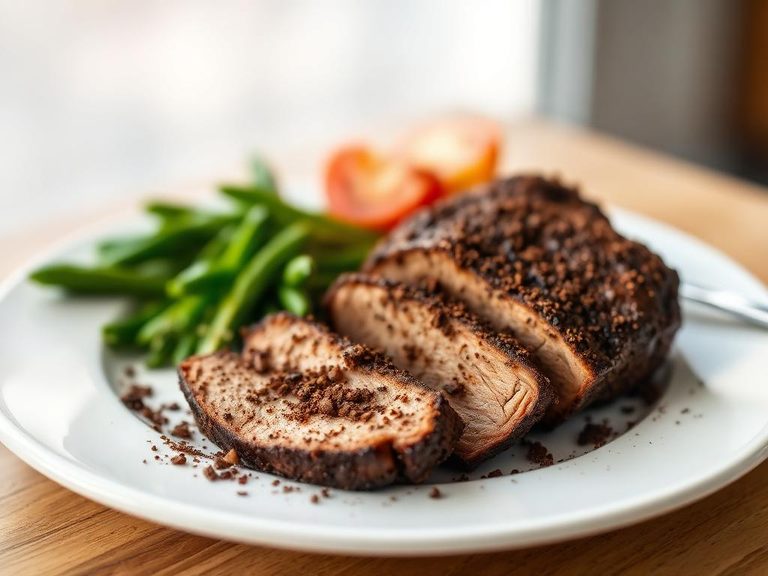

🌍 Where it's eaten
💡 Did you know?
The most common decaffeination method today uses a solvent called ethyl acetate, which is naturally found in fruits like bananas and berries, to selectively remove caffeine from the beans.
Full nutrition (scales with serving)
| Water | 99.3 g |
| Energy | 0.00 kcal |
| Energy | 1.0 kj |
| Protein | 0.10 g |
| Total lipid (fat) | 0.00 g |
| Ash | 0.10 g |
| Carbohydrate, by difference | 0.00 g |
| Fiber, total dietary | 0.00 g |
| Total Sugars | 0.00 g |
| Sucrose | 0.00 g |
| Glucose | 0.00 g |
| Fructose | 0.00 g |
| Lactose | 0.00 g |
| Maltose | 0.00 g |
| Galactose | 0.00 g |
| Calcium, Ca | 2.0 mg |
| Iron, Fe | 0.05 mg |
| Magnesium, Mg | 5.0 mg |
| Phosphorus, P | 1.0 mg |
| Potassium, K | 54.0 mg |
| Sodium, Na | 2.0 mg |
| Zinc, Zn | 0.02 mg |
| Copper, Cu | 0.01 mg |
| Manganese, Mn | 0.03 mg |
| Selenium, Se | 0.10 ug |
| Fluoride, F | 52.4 ug |
| Vitamin C, total ascorbic acid | 0.00 mg |
| Thiamin | 0.00 mg |
| Riboflavin | 0.00 mg |
| Niacin | 0.22 mg |
| Pantothenic acid | 0.00 mg |
| Vitamin B-6 | 0.00 mg |
| Folate, total | 0.00 ug |
| Folic acid | 0.00 ug |
| Folate, food | 0.00 ug |
| Folate, DFE | 0.00 ug |
| Choline, total | 1.0 mg |
| Vitamin B-12 | 0.00 ug |
| Vitamin B-12, added | 0.00 ug |
| Vitamin A, RAE | 0.00 ug |
| Retinol | 0.00 ug |
| Carotene, beta | 0.00 ug |
| Carotene, alpha | 0.00 ug |
| Cryptoxanthin, beta | 0.00 ug |
| Vitamin A, IU | 0.00 iu |
| Lycopene | 0.00 ug |
| Lutein + zeaxanthin | 0.00 ug |
| Vitamin E (alpha-tocopherol) | 0.00 mg |
| Vitamin E, added | 0.00 mg |
| Tocopherol, beta | 0.00 mg |
| Tocopherol, gamma | 0.01 mg |
| Tocopherol, delta | 0.00 mg |
| Vitamin D (D2 + D3), International Units | 0.00 iu |
| Vitamin D (D2 + D3) | 0.00 ug |
| Vitamin K (phylloquinone) | 0.10 ug |
| Alcohol, ethyl | 0.00 g |
| Caffeine | 1.0 mg |
| Theobromine | 0.00 mg |
Fat & fatty acid profile (per 100g)
| Fatty acids, total saturated | 0.00 g |
| SFA 4:0 | 0.00 g |
| SFA 6:0 | 0.00 g |
| SFA 8:0 | 0.00 g |
| SFA 10:0 | 0.00 g |
| SFA 12:0 | 0.00 g |
| SFA 13:0 | 0.00 g |
| SFA 14:0 | 0.00 g |
| SFA 15:0 | 0.00 g |
| SFA 16:0 | 0.00 g |
| SFA 17:0 | 0.00 g |
| SFA 18:0 | 0.00 g |
| SFA 20:0 | 0.00 g |
| SFA 22:0 | 0.00 g |
| SFA 24:0 | 0.00 g |
| Fatty acids, total monounsaturated | 0.00 g |
| MUFA 14:1 | 0.00 g |
| MUFA 15:1 | 0.00 g |
| MUFA 16:1 | 0.00 g |
| MUFA 17:1 | 0.00 g |
| MUFA 18:1 | 0.00 g |
| MUFA 18:1 c | 0.01 g |
| MUFA 20:1 | 0.00 g |
| MUFA 22:1 | 0.00 g |
| Fatty acids, total polyunsaturated | 0.00 g |
| PUFA 18:2 | 0.00 g |
| PUFA 18:3 | 0.00 g |
| PUFA 18:3 n-3 c,c,c (ALA) | 0.00 g |
| PUFA 18:3 n-6 c,c,c | 0.00 g |
| PUFA 18:4 | 0.00 g |
| PUFA 20:2 n-6 c,c | 0.00 g |
| PUFA 20:3 | 0.00 g |
| PUFA 20:4 | 0.00 g |
| PUFA 20:5 n-3 (EPA) | 0.00 g |
| PUFA 22:5 n-3 (DPA) | 0.00 g |
| PUFA 22:6 n-3 (DHA) | 0.00 g |
| Fatty acids, total trans | 0.00 g |
| Fatty acids, total trans-monoenoic | 0.00 g |
| TFA 18:1 t | 0.00 g |
| Cholesterol | 0.00 mg |
Amino acid profile (per 100g)
| Tryptophan | 0.00 g |
| Threonine | 0.00 g |
| Isoleucine | 0.00 g |
| Leucine | 0.01 g |
| Lysine | 0.00 g |
| Methionine | 0.00 g |
| Cystine | 0.00 g |
| Phenylalanine | 0.00 g |
| Tyrosine | 0.00 g |
| Valine | 0.00 g |
| Arginine | 0.00 g |
| Histidine | 0.00 g |
| Alanine | 0.00 g |
| Aspartic acid | 0.01 g |
| Glutamic acid | 0.02 g |
| Glycine | 0.00 g |
| Proline | 0.00 g |
| Serine | 0.00 g |
FAQ
Does decaf coffee have zero caffeine?
No. Decaf coffee is not completely caffeine-free. An 8-oz cup typically contains 2-15 mg of caffeine, compared to 80-100 mg in regular coffee.
Is decaf coffee healthy?
It retains many of the beneficial antioxidants found in regular coffee and is a healthy, calorie-free beverage choice for most people, especially those avoiding caffeine.
Why does decaf coffee taste different?
The decaffeination process can alter some of the bean's volatile compounds, potentially leading to a slightly milder or less complex flavor profile compared to its caffeinated counterpart.