

Syrups, sugar free
Whole food · Sweets
Sugar-free syrup is a glossy, viscous sweetener designed to mimic the texture and flavor of traditional maple or pancake syrup without the caloric load of sugar. It typically has a sweet, sometimes slightly artificial or cooling taste, with a smooth, pourable consistency that coats pancakes and waffles evenly. Nutritionally, it provides about 51 calories per 100g, primarily from carbohydrates, but contains negligible sugar (0.01g) and no fat.
Calorie split: 6% protein · 94% carbs · 0% fat
↓ Full nutrition💚 Why it's loved
People love sugar-free syrup for its ability to deliver the classic, comforting sweetness of pancakes and waffles without the guilt or blood sugar spike. Its versatility makes it a staple in health-conscious kitchens, from topping breakfast foods to sweetening coffee and desserts.
⚠️ Watch-outs & how to enjoy it better
Some sugar-free syrups contain sugar alcohols (like maltitol or sorbitol) that can cause digestive discomfort, bloating, or diarrhea in sensitive individuals, especially in large portions. To counteract this, start with small amounts (1-2 tablespoons) and pair with fiber-rich foods like whole-grain pancakes or add a source of protein (e.g., eggs or Greek yogurt) to slow digestion and reduce potential GI issues.
Key benefits
- Low in sugar (0.01g per 100g)
- Provides sweetness without the calories of regular syrup
- Suitable for low-sugar or diabetic-friendly diets
- Adds flavor and moisture to baked goods and beverages
- Can be used as a sugar substitute in recipes
🍽️ Popular dishes
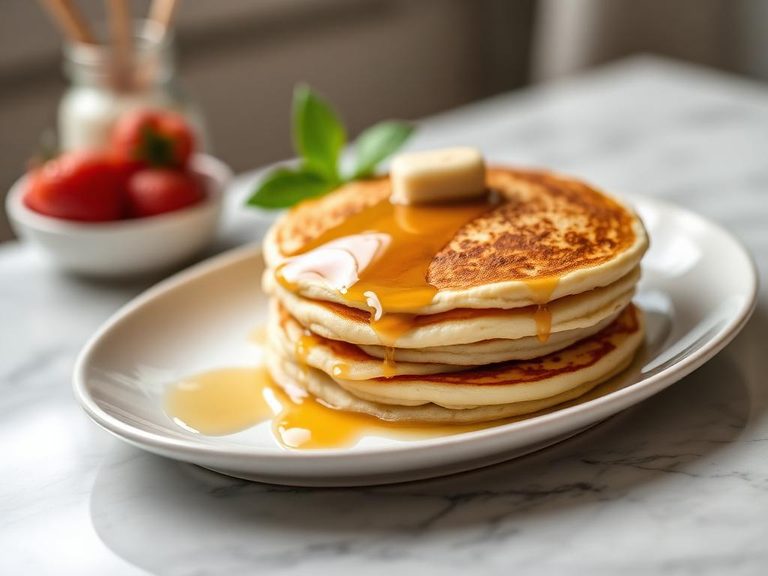
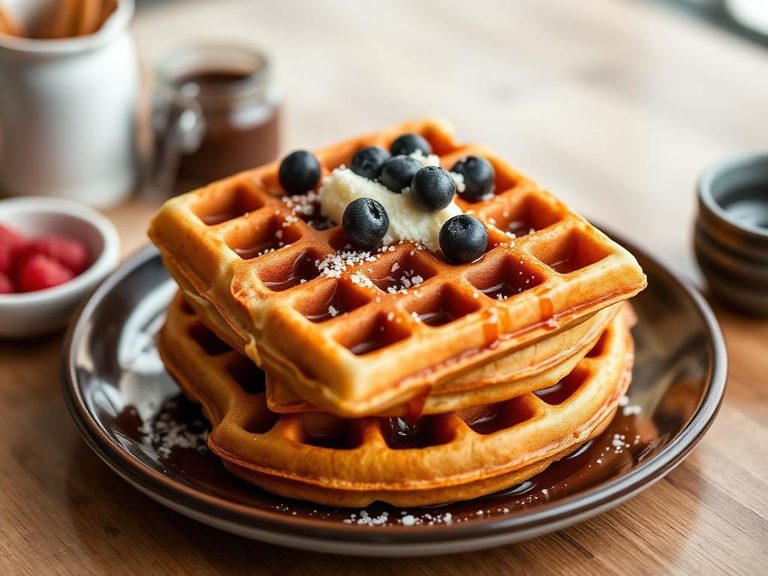
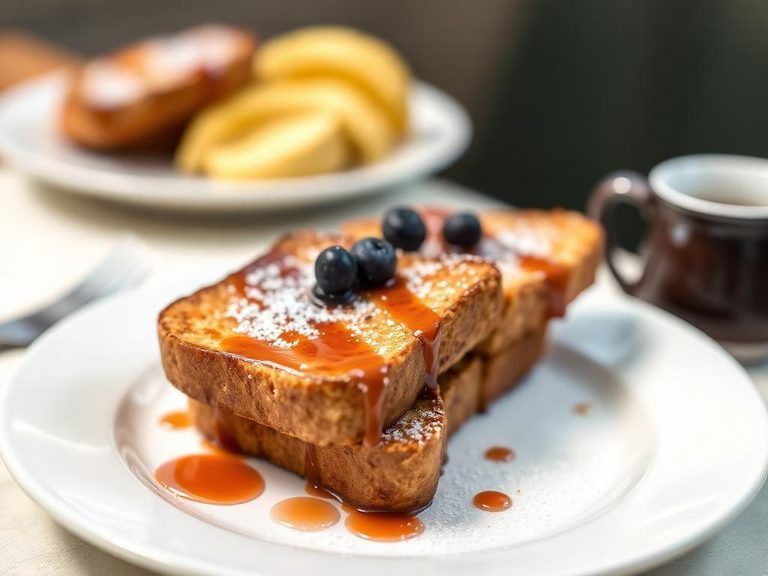
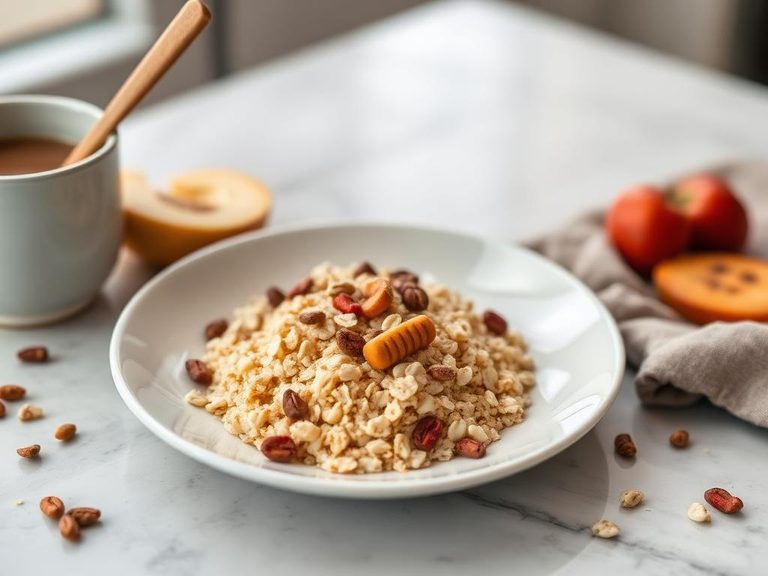
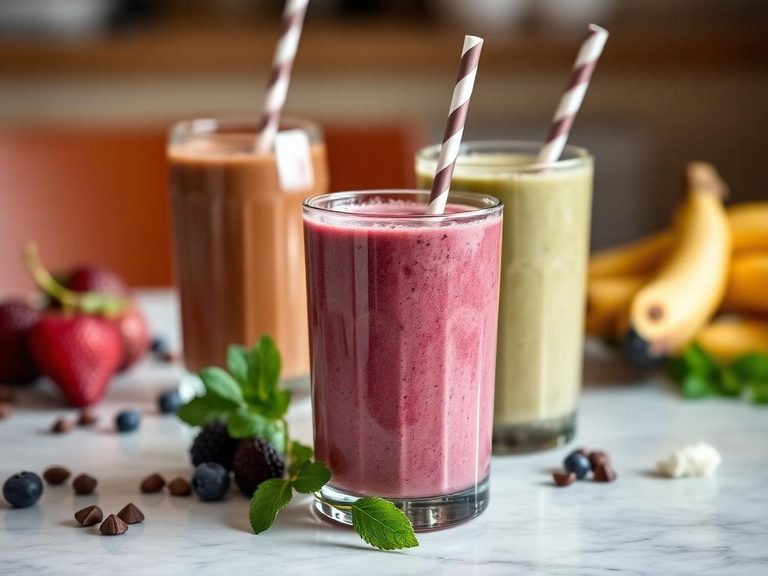
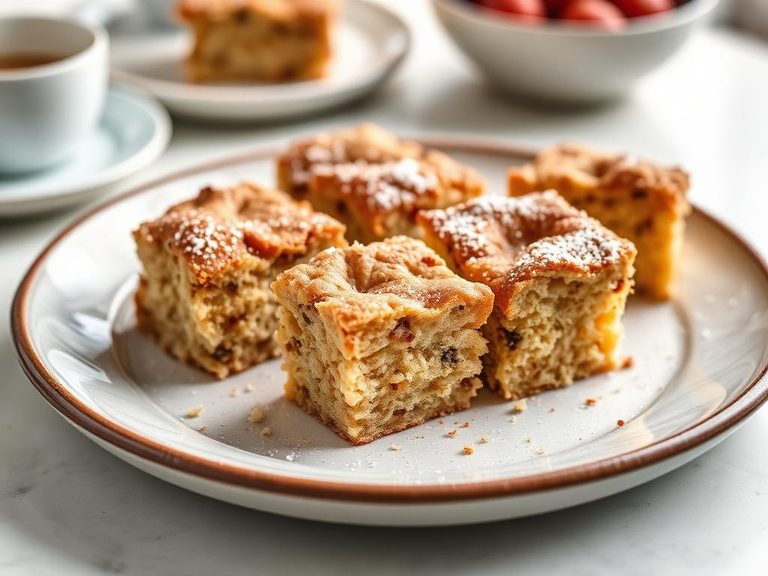
🌍 Where it's eaten
💡 Did you know?
The first commercial sugar-free syrup was introduced in the 1960s as a response to growing demand for diabetic-friendly sweeteners, and it often uses artificial sweeteners like sucralose or aspartame to achieve sweetness without sugar.
Full nutrition (USDA data · scales with serving)
| Water | 87.0 g |
| Energy | 51.0 kcal |
| Energy | 214 kj |
| Protein | 0.80 g |
| Total lipid (fat) | 0.00 g |
| Ash | 0.21 g |
| Carbohydrate, by difference | 12.0 g |
| Fiber, total dietary | 0.70 g |
| Total Sugars | 0.01 g |
| Calcium, Ca | 0.00 mg |
| Iron, Fe | 0.00 mg |
| Magnesium, Mg | 0.00 mg |
| Phosphorus, P | 0.00 mg |
| Potassium, K | 0.00 mg |
| Sodium, Na | 210 mg |
| Zinc, Zn | 0.00 mg |
| Copper, Cu | 0.00 mg |
| Manganese, Mn | 0.00 mg |
| Selenium, Se | 0.50 ug |
| Vitamin C, total ascorbic acid | 0.00 mg |
| Thiamin | 0.00 mg |
| Riboflavin | 0.00 mg |
| Niacin | 0.00 mg |
| Pantothenic acid | 0.00 mg |
| Vitamin B-6 | 0.00 mg |
| Folate, total | 0.00 ug |
| Folic acid | 0.00 ug |
| Folate, food | 0.00 ug |
| Folate, DFE | 0.00 ug |
| Choline, total | 0.00 mg |
| Vitamin B-12 | 0.00 ug |
| Vitamin B-12, added | 0.00 ug |
| Vitamin A, RAE | 0.00 ug |
| Retinol | 0.00 ug |
| Carotene, beta | 0.00 ug |
| Carotene, alpha | 0.00 ug |
| Cryptoxanthin, beta | 0.00 ug |
| Vitamin A, IU | 0.00 iu |
| Lycopene | 0.00 ug |
| Lutein + zeaxanthin | 0.00 ug |
| Vitamin E (alpha-tocopherol) | 0.00 mg |
| Vitamin E, added | 0.00 mg |
| Vitamin D (D2 + D3), International Units | 0.00 iu |
| Vitamin D (D2 + D3) | 0.00 ug |
| Vitamin K (phylloquinone) | 0.00 ug |
| Alcohol, ethyl | 0.00 g |
| Caffeine | 0.00 mg |
| Theobromine | 0.00 mg |
Fat & fatty acid profile (per 100g)
| Fatty acids, total saturated | 0.00 g |
| SFA 4:0 | 0.00 g |
| SFA 6:0 | 0.00 g |
| SFA 8:0 | 0.00 g |
| SFA 10:0 | 0.00 g |
| SFA 12:0 | 0.00 g |
| SFA 14:0 | 0.00 g |
| SFA 16:0 | 0.00 g |
| SFA 18:0 | 0.00 g |
| Fatty acids, total monounsaturated | 0.00 g |
| MUFA 16:1 | 0.00 g |
| MUFA 18:1 | 0.00 g |
| MUFA 20:1 | 0.00 g |
| MUFA 22:1 | 0.00 g |
| Fatty acids, total polyunsaturated | 0.00 g |
| PUFA 18:2 | 0.00 g |
| PUFA 18:3 | 0.00 g |
| PUFA 18:4 | 0.00 g |
| PUFA 20:4 | 0.00 g |
| PUFA 20:5 n-3 (EPA) | 0.00 g |
| PUFA 22:5 n-3 (DPA) | 0.00 g |
| PUFA 22:6 n-3 (DHA) | 0.00 g |
| Cholesterol | 0.00 mg |
Amino acid profile (per 100g)
Estimated from Syrups, malt — USDA does not publish this profile for Syrups.
| Tryptophan | 0.07 g |
| Threonine | 0.21 g |
| Isoleucine | 0.21 g |
| Leucine | 0.38 g |
| Lysine | 0.27 g |
| Methionine | 0.11 g |
| Cystine | 0.07 g |
| Phenylalanine | 0.26 g |
| Tyrosine | 0.17 g |
| Valine | 0.30 g |
| Arginine | 0.28 g |
| Histidine | 0.13 g |
| Alanine | 0.27 g |
| Aspartic acid | 0.56 g |
| Glutamic acid | 1.0 g |
| Glycine | 0.25 g |
| Proline | 0.46 g |
| Serine | 0.23 g |
FAQ
Is sugar-free syrup safe for diabetics?
Yes, sugar-free syrup is generally safe for diabetics as it contains minimal sugar (0.01g per 100g) and does not cause significant blood sugar spikes. However, it's important to check the label for sugar alcohols, which can affect blood sugar levels in some individuals, and to consume in moderation as part of a balanced diet.
Can sugar-free syrup be used in baking?
Yes, sugar-free syrup can be used in baking to add sweetness and moisture, but it may not caramelize or brown like regular sugar. It's best used in recipes where texture is less critical, such as in muffins, pancakes, or smoothies, and may require adjusting other ingredients to maintain consistency.
What are the common ingredients in sugar-free syrup?
Common ingredients include water, sugar alcohols (like maltitol or sorbitol), artificial sweeteners (like sucralose or aspartame), natural or artificial flavors, and thickeners (like cellulose gum or xanthan gum). Some brands may also include preservatives like potassium sorbate.
Nutrient density (calculated · NRF9.3)
Nutrient Rich Foods index: beneficial nutrients (protein, fiber, vitamins, minerals) minus saturated fat, added sugar & sodium, per 100 kcal.
NRF9.3 index — Fulgoni, Keast & Drewnowski, 2009. Computed from USDA nutrients.
Weight-loss friendliness (composite index)
Energy density 0.51 kcal/g · 6% calories from protein · 0.7 g fiber · 0.0 g sugar per 100 g.
Composite of energy density (Rolls et al., 1999), protein & fiber satiety, minus sugar. A calculated heuristic — ranks satiety-per-calorie, not a clinical measure.
Dietary load (calculated from USDA values)
Potential renal acid load. Positive = acid-forming, negative = alkaline-forming.
Sodium:potassium per WHO potassium guidance. Computed from USDA nutrients.