Sugar-free baking recipes
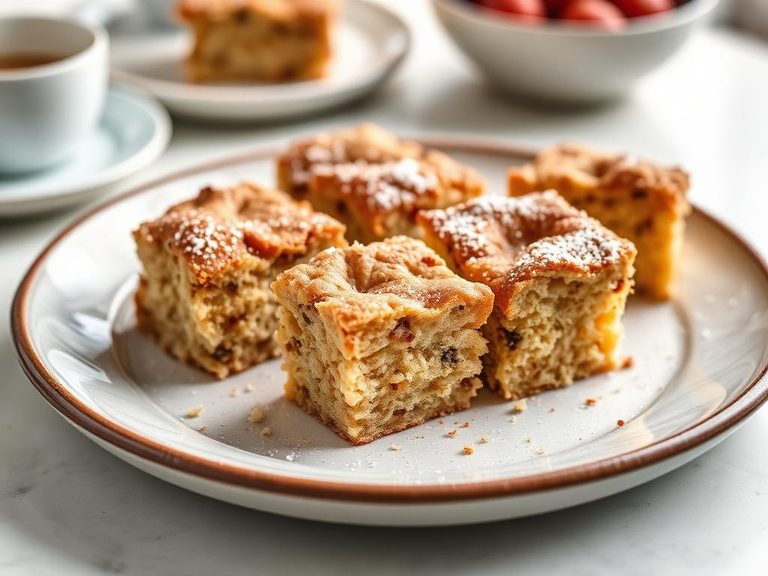
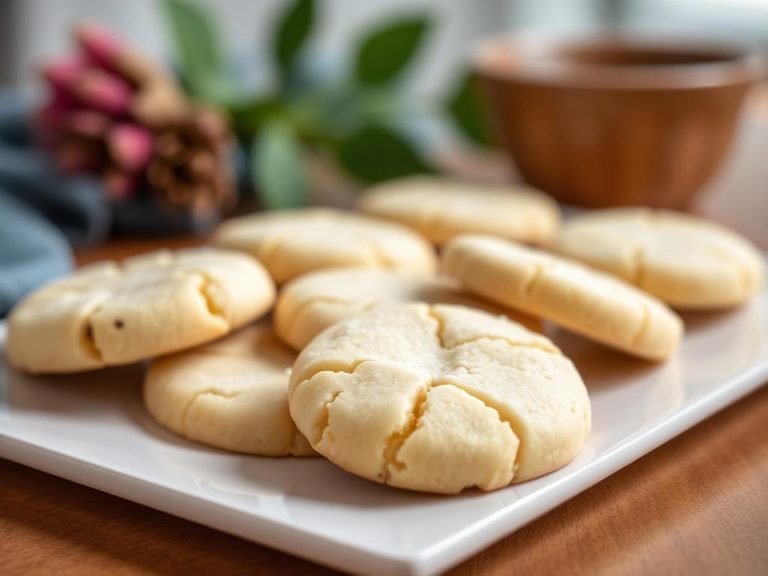
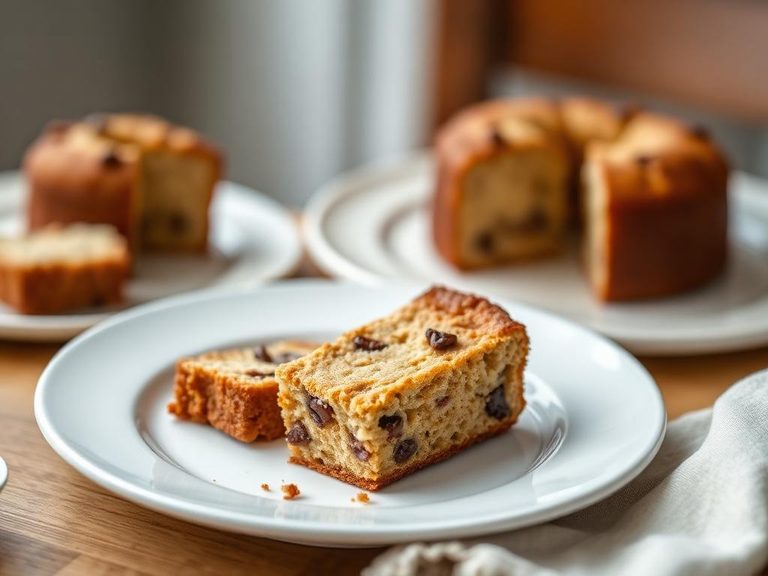
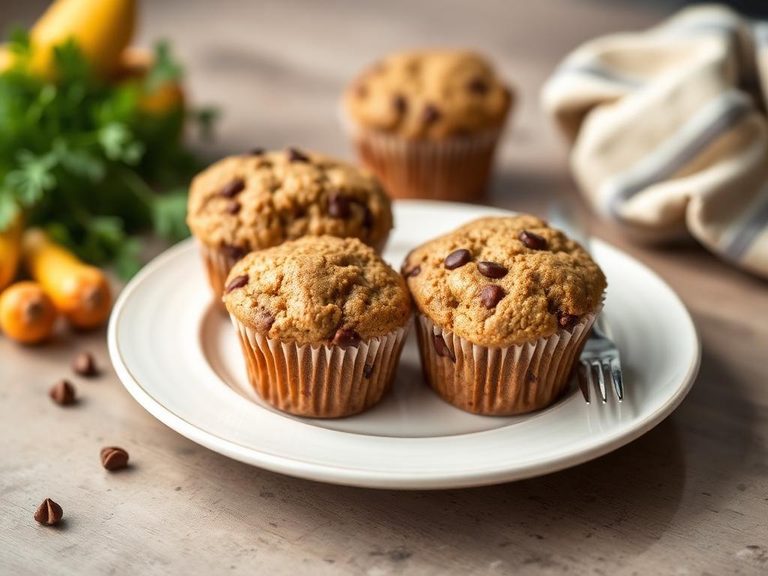
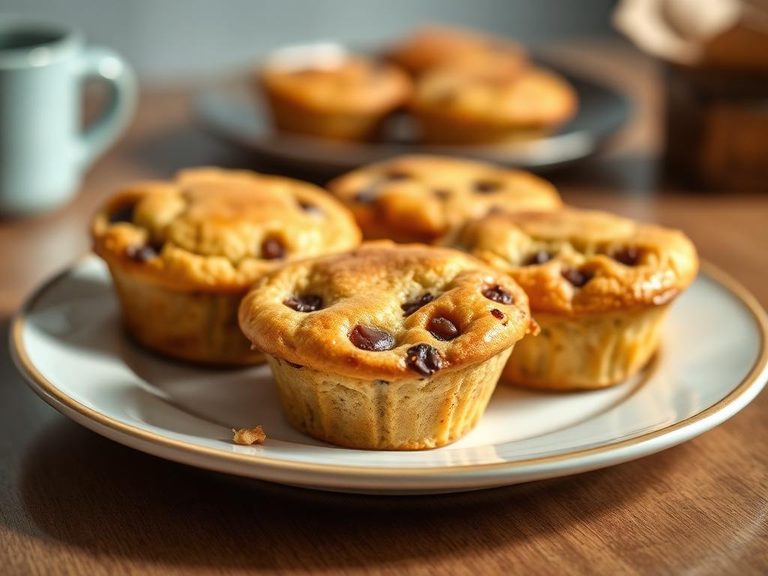
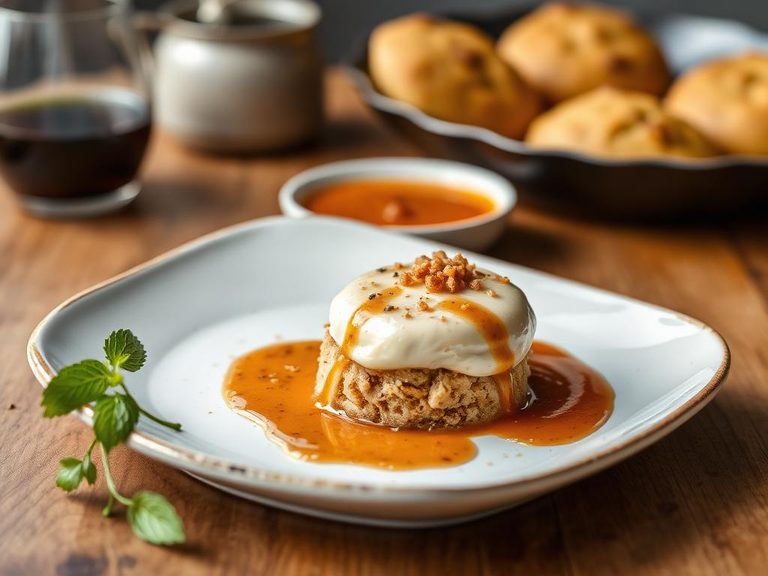
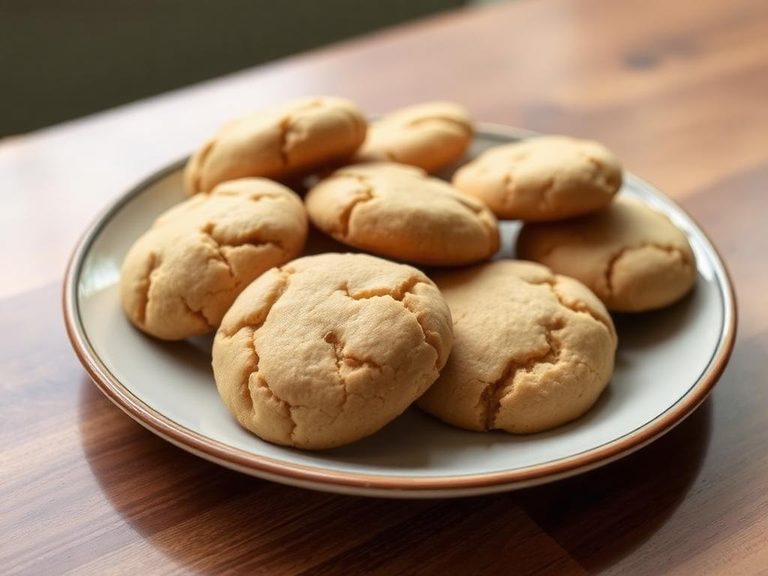
Sugar-free baking recipes are desserts or baked goods made without traditional sugar, often using natural or artificial sweeteners like stevia, erythritol, or fruit purees. They typically feature ingredients like almond flour, coconut oil, eggs, and sugar substitutes to achieve sweetness and texture. This approach is popular globally, especially in health-conscious communities and among those managing dietary needs.
🍽️ Nutrition at a glance
Sugar-free baked goods can vary widely in nutrition, but they often have lower carbs and calories compared to traditional versions, depending on the sweeteners and flours used. They may provide protein from eggs or nut flours, healthy fats from oils or nuts, and key nutrients like fiber if whole-grain or nut-based ingredients are included. A rough calorie ballpark per serving is 150-300 calories, but this depends heavily on the specific recipe and portion size.
Nutrition breakdown
| Calories | 120 kcal |
| Protein | 2.5 g |
| Carbs | 15 g |
| Fat | 6 g |
| Fiber | 1 g |
| Sugar | 0 g |
| Sodium | 80 mg |
| Calcium | 20 mg |
| Iron | 1 mg |
| Potassium | 45 mg |
| Magnesium | 10 mg |
| Phosphorus | 30 mg |
| Vitamin E | 0.5 mg |
| Niacin (B3) | 0.3 mg |
| Folate | 10 mcg |
Per 1 cookie (approx. 30 g) · estimated, varies by recipe
💡 What's interesting
Culturally, sugar-free baking has gained traction with the rise of low-carb, keto, and diabetic-friendly diets, reflecting a global shift towards healthier eating habits. Nutritionally, it's unique because it allows people to enjoy baked treats while reducing sugar intake, which can help manage blood sugar levels and support weight management goals.