Dairy-free baking
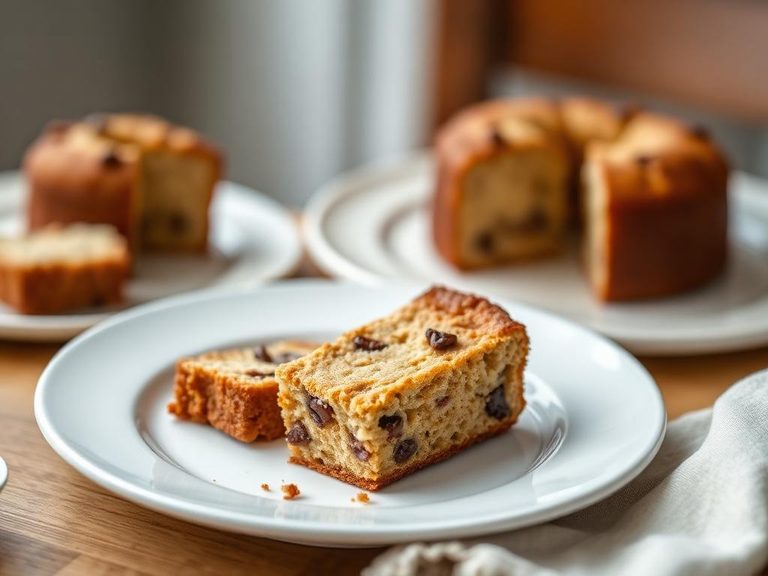
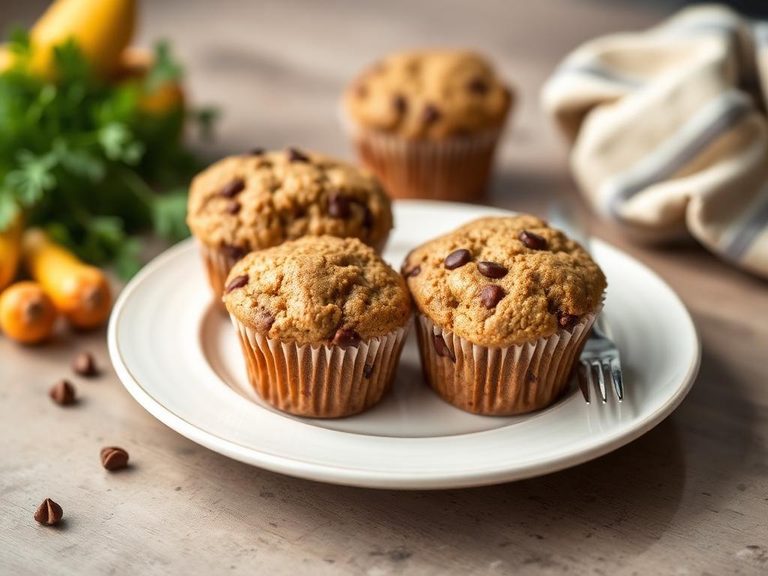
Dairy-free baking is a method of preparing baked goods without any milk, butter, cream, or other dairy ingredients. It typically relies on plant-based substitutes like almond milk, coconut oil, or flaxseed 'eggs' to achieve similar textures and flavors. This approach is popular worldwide, especially among those with lactose intolerance, vegan diets, or dairy allergies.
🍽️ Nutrition at a glance
Dairy-free baked goods can vary widely, but they often provide healthy fats from nuts or coconut, and may be higher in fiber if using whole-grain flours. Calories per serving typically range from 150 to 300, similar to traditional baked goods, but with a different nutrient profile.
Nutrition breakdown
| Calories | 210 kcal |
| Protein | 3 g |
| Carbs | 32 g |
| Fat | 8 g |
| Fiber | 1 g |
| Sugar | 14 g |
| Sodium | 190 mg |
| Calcium | 120 mg |
| Iron | 1.8 mg |
| Potassium | 90 mg |
| Vitamin D | 2.0 mcg |
| Vitamin B12 | 0.6 mcg |
| Phosphorus | 80 mg |
| Magnesium | 15 mg |
| Zinc | 0.5 mg |
Per 1 standard muffin (approx. 80 g) · estimated, varies by recipe
💡 What's interesting
Dairy-free baking has driven innovation in ingredient science, leading to creative substitutions that can make treats accessible to a broader audience. Nutritionally, it often reduces saturated fat intake while potentially increasing beneficial plant compounds, aligning with modern dietary trends toward plant-based eating.