

Almond milk, sweetened
Common food

Photo: Wikipedia
A smooth, creamy plant-based beverage made from ground almonds and water, often enhanced with a touch of sweetness. It offers a mild, nutty flavor with a light, slightly watery texture compared to dairy milk. Nutritionally, it's a low-calorie, low-protein option, primarily providing simple carbohydrates from added sugars.
Calorie split: 7% protein · 58% carbs · 35% fat
↓ Full nutrition💚 Why it's loved
People love it for its gentle, versatile nuttiness that complements coffee, cereal, and smoothies without overpowering other flavors. It's a cultural staple in modern plant-based and dairy-free lifestyles, offering a familiar yet distinct alternative.
⚠️ Watch-outs & how to enjoy it better
Its high sugar content (nearly 4g per 100g) can contribute to blood-sugar spikes if consumed in large quantities. It is also a common tree nut allergen, making it unsafe for those with almond allergies. To mitigate sugar impact, pair it with protein or healthy fats (like nuts or seeds) and opt for unsweetened varieties when possible.
Key benefits
- Low-calorie alternative to dairy milk
- Naturally lactose-free and cholesterol-free
- Source of vitamin E, an antioxidant
- Fortified versions often contain calcium and vitamin D
- Suitable for vegan and paleo diets
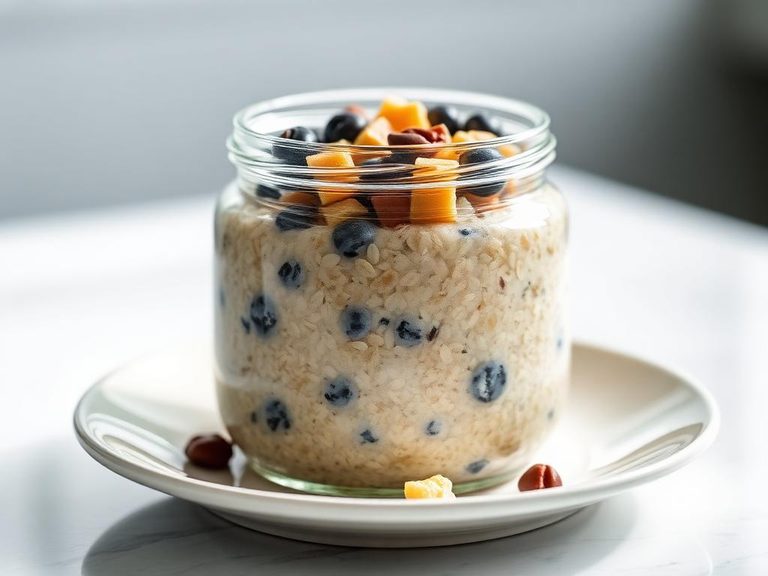
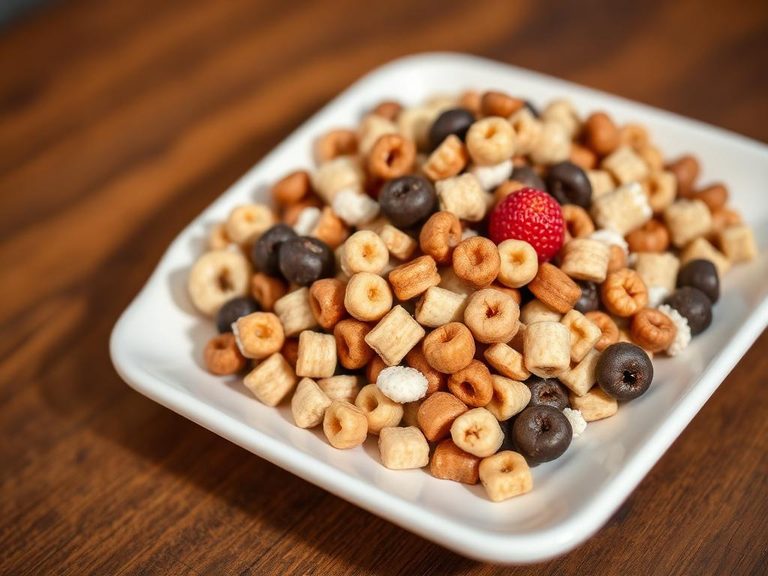
🍽️ Popular dishes



🌍 Where it's eaten
💡 Did you know?
Commercial almond milk is typically only about 2-3% almonds by weight; the rest is water, stabilizers, and added nutrients.
Full nutrition (USDA data · scales with serving)
| Water | 93.5 g |
| Energy | 30.0 kcal |
| Protein | 0.53 g |
| Total lipid (fat) | 1.2 g |
| Carbohydrate, by difference | 4.3 g |
| Fiber, total dietary | 0.00 g |
| Total Sugars | 4.0 g |
| Calcium, Ca | 166 mg |
| Iron, Fe | 0.28 mg |
| Magnesium, Mg | 7.0 mg |
| Phosphorus, P | 29.0 mg |
| Potassium, K | 30.0 mg |
| Sodium, Na | 58.0 mg |
| Zinc, Zn | 0.16 mg |
| Copper, Cu | 0.02 mg |
| Selenium, Se | 0.00 ug |
| Vitamin C, total ascorbic acid | 0.00 mg |
| Thiamin | 0.00 mg |
| Riboflavin | 0.03 mg |
| Niacin | 0.07 mg |
| Vitamin B-6 | 0.00 mg |
| Folate, total | 0.00 ug |
| Folic acid | 0.00 ug |
| Folate, food | 0.00 ug |
| Folate, DFE | 0.00 ug |
| Choline, total | 3.0 mg |
| Vitamin B-12 | 0.33 ug |
| Vitamin B-12, added | 0.33 ug |
| Vitamin A, RAE | 39.0 ug |
| Retinol | 39.0 ug |
| Carotene, beta | 0.00 ug |
| Carotene, alpha | 0.00 ug |
| Cryptoxanthin, beta | 0.00 ug |
| Lycopene | 0.00 ug |
| Lutein + zeaxanthin | 0.00 ug |
| Vitamin E (alpha-tocopherol) | 3.2 mg |
| Vitamin E, added | 3.2 mg |
| Vitamin D (D2 + D3) | 0.90 ug |
| Vitamin K (phylloquinone) | 0.00 ug |
| Alcohol, ethyl | 0.00 g |
| Caffeine | 0.00 mg |
| Theobromine | 0.00 mg |
Fat & fatty acid profile (per 100g)
| Fatty acids, total saturated | 0.10 g |
| SFA 4:0 | 0.00 g |
| SFA 6:0 | 0.00 g |
| SFA 8:0 | 0.00 g |
| SFA 10:0 | 0.00 g |
| SFA 12:0 | 0.00 g |
| SFA 14:0 | 0.00 g |
| SFA 16:0 | 0.07 g |
| SFA 18:0 | 0.02 g |
| Fatty acids, total monounsaturated | 0.70 g |
| MUFA 16:1 | 0.01 g |
| MUFA 18:1 | 0.69 g |
| MUFA 20:1 | 0.00 g |
| MUFA 22:1 | 0.00 g |
| Fatty acids, total polyunsaturated | 0.27 g |
| PUFA 18:2 | 0.27 g |
| PUFA 18:3 | 0.00 g |
| PUFA 18:4 | 0.00 g |
| PUFA 20:4 | 0.00 g |
| PUFA 20:5 n-3 (EPA) | 0.00 g |
| PUFA 22:5 n-3 (DPA) | 0.00 g |
| PUFA 22:6 n-3 (DHA) | 0.00 g |
| Cholesterol | 0.00 mg |
Amino acid profile (per 100g)
Estimated from Beverages, almond milk, chocolate, ready-to-drink — USDA does not publish this profile for Almond milk.
| Tryptophan | 0.01 g |
| Threonine | 0.01 g |
| Isoleucine | 0.02 g |
| Leucine | 0.04 g |
| Lysine | 0.01 g |
| Methionine | 0.00 g |
| Cystine | 0.01 g |
| Phenylalanine | 0.03 g |
| Tyrosine | 0.01 g |
| Valine | 0.02 g |
| Arginine | 0.06 g |
| Histidine | 0.01 g |
| Alanine | 0.03 g |
| Aspartic acid | 0.07 g |
| Glutamic acid | 0.17 g |
| Glycine | 0.04 g |
| Proline | 0.03 g |
| Serine | 0.02 g |
FAQ
Is sweetened almond milk high in sugar?
Yes, the sweetened variety contains about 4g of added sugar per 100g, which is comparable to some flavored milks. Choosing unsweetened varieties reduces sugar intake significantly.
Can I use it as a 1:1 substitute for dairy milk in recipes?
For drinks, cereals, and smoothies, yes. For baking, its lower protein and fat content may affect texture and browning, so recipes specifically designed for plant milks often yield better results.
Why does it sometimes separate in hot coffee?
The acidity and heat of coffee can cause the proteins and stabilizers in almond milk to curdle. Using a barista blend (formulated with extra stabilizers) or adding the milk slowly to a cooler beverage can help prevent this.
Nutrient density (calculated · NRF9.3)
Nutrient Rich Foods index: beneficial nutrients (protein, fiber, vitamins, minerals) minus saturated fat, added sugar & sodium, per 100 kcal.
NRF9.3 index — Fulgoni, Keast & Drewnowski, 2009. Computed from USDA nutrients.
Weight-loss friendliness (composite index)
Energy density 0.30 kcal/g · 7% calories from protein · 0.0 g fiber · 4.0 g sugar per 100 g.
Composite of energy density (Rolls et al., 1999), protein & fiber satiety, minus sugar. A calculated heuristic — ranks satiety-per-calorie, not a clinical measure.
Dietary load (calculated from USDA values)
Potential renal acid load. Positive = acid-forming, negative = alkaline-forming.
Sodium-to-potassium ratio: 1.93 (lower is better — aim for ≤ 1)
Sodium:potassium per WHO potassium guidance. Computed from USDA nutrients.