Vegan Baking

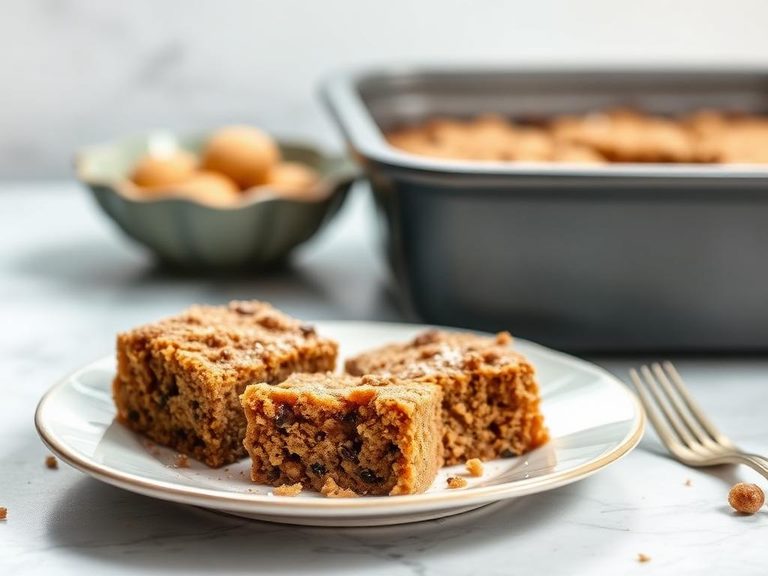
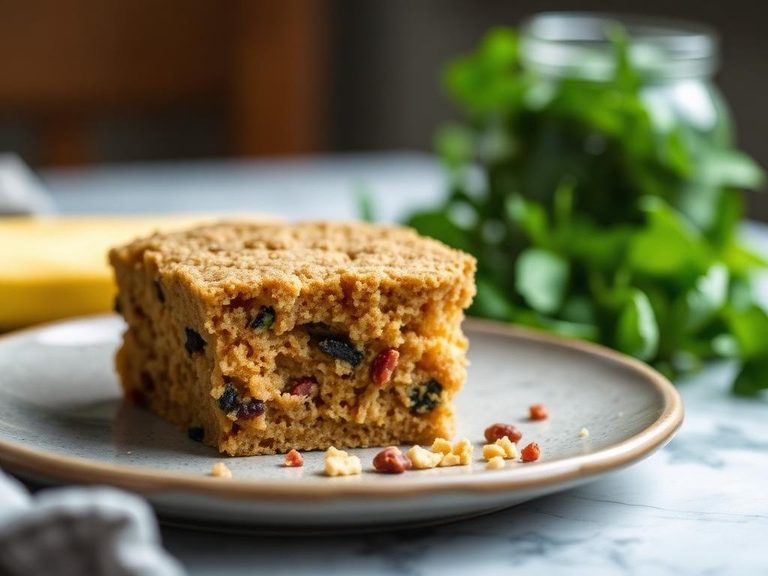
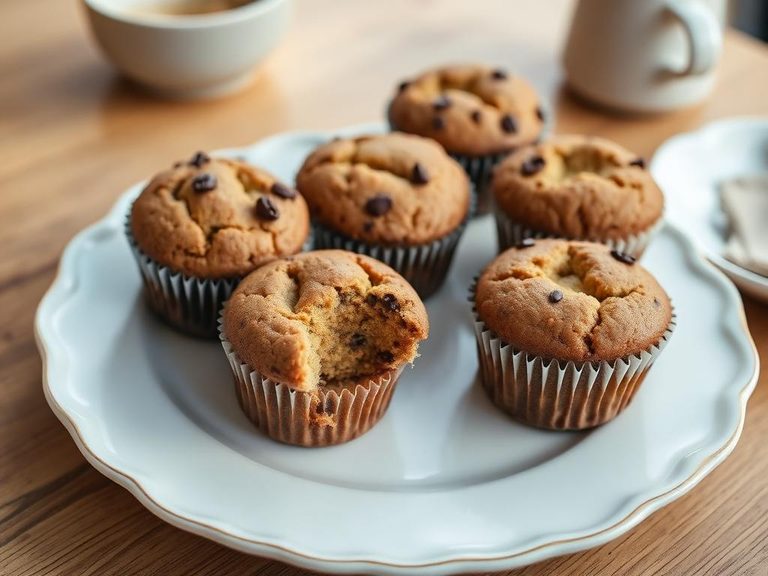
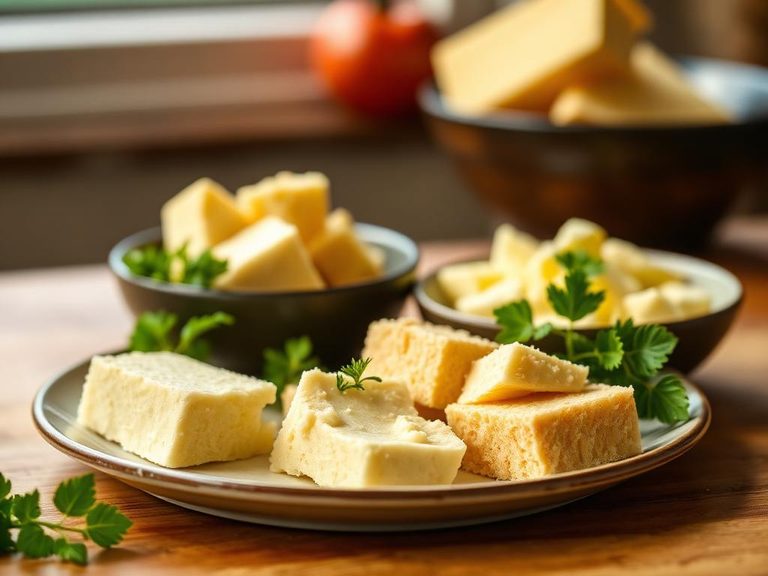
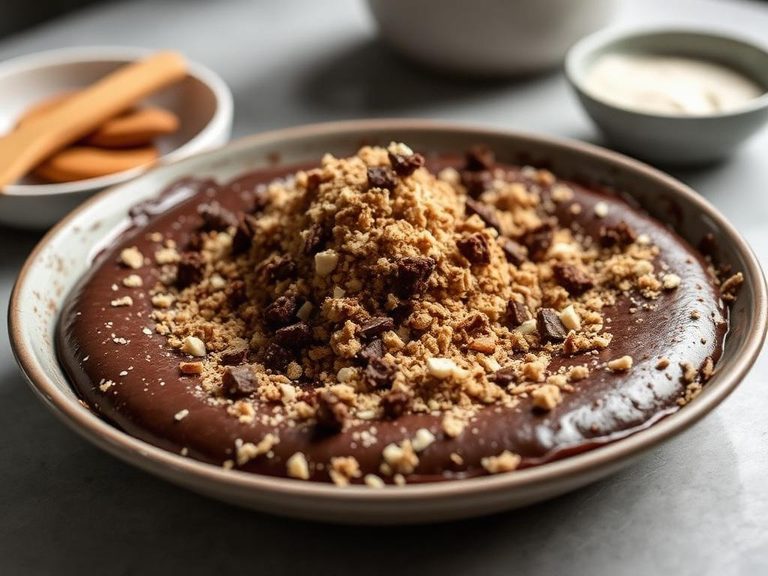
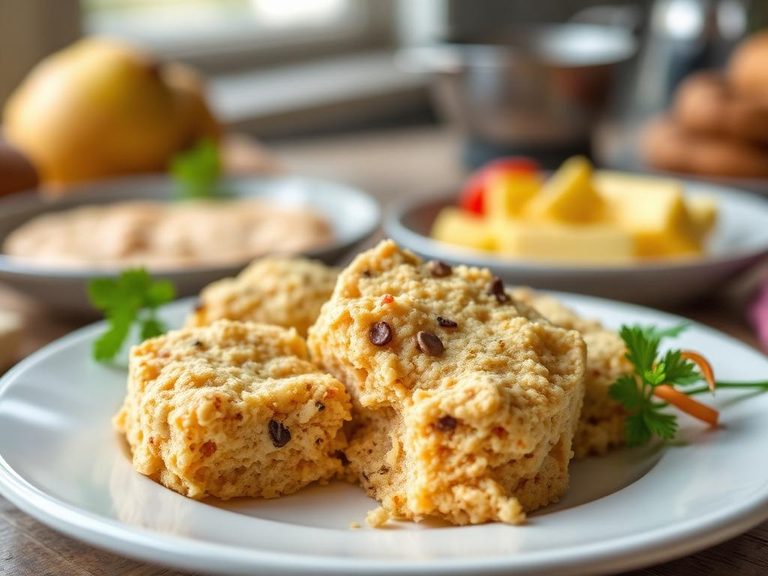
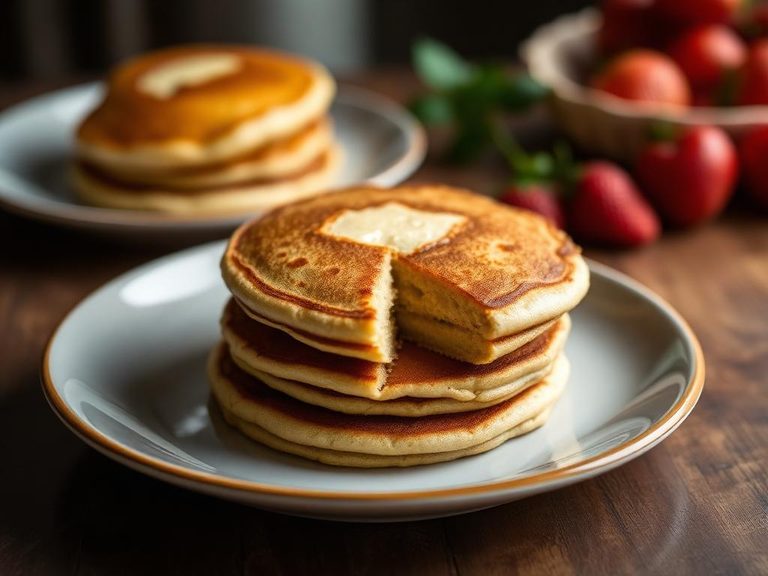
Vegan baking is a modern adaptation of traditional baking that replaces all animal products—like eggs, butter, and milk—with plant-based alternatives to create familiar treats like cookies, cakes, and brownies. Common ingredients include flax or chia seeds as egg binders, coconut oil or vegan butter for fat, and plant milks such as almond, soy, or oat. While its roots are in global baking traditions, the contemporary movement is strongly influenced by Western culinary trends and health-conscious or ethical lifestyles.
🍳 View the full Vegan Baking recipe →
🍽️ Nutrition at a glance
Vegan baked goods are typically high in carbohydrates and fats, with protein content varying based on ingredients like nuts, seeds, or legume flours. They provide fiber, antioxidants, and healthy fats, but can still be calorie-dense—expect roughly 150-300 calories per cookie or slice of cake, depending on size and recipe.
Nutrition breakdown
| Calories | 210 kcal |
| Protein | 2.5 g |
| Carbs | 30 g |
| Fat | 9 g |
| Fiber | 1.5 g |
| Sugar | 16 g |
| Sodium | 120 mg |
| Iron | 1.2 mg |
| Calcium | 20 mg |
| Potassium | 60 mg |
| Magnesium | 15 mg |
| Phosphorus | 30 mg |
| Vitamin B1 (Thiamin) | 0.1 mg |
| Vitamin B2 (Riboflavin) | 0.05 mg |
| Folate | 25 mcg |
Per 1 medium cookie (45 g) · estimated, varies by recipe
💡 What's interesting
Culturally, vegan baking reflects a growing global shift toward ethical and sustainable eating, often innovating with ingredients like aquafaba (chickpea water) that mimic egg properties. Nutritionally, it can reduce cholesterol and saturated fat intake, while sometimes boosting fiber and micronutrient content compared to conventional baking.