Homemade vegan baking
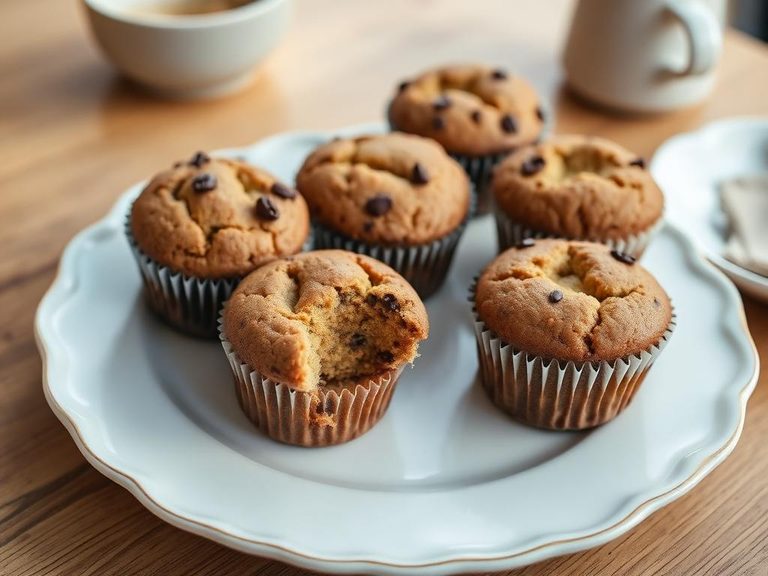
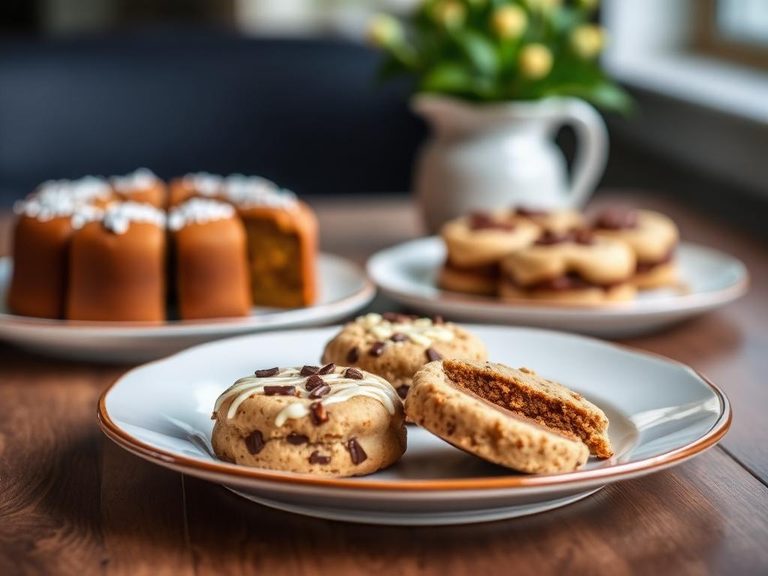
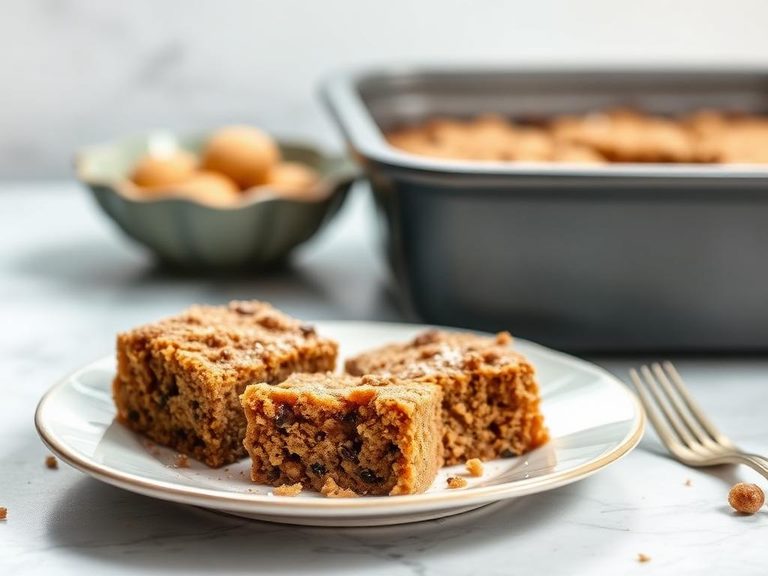
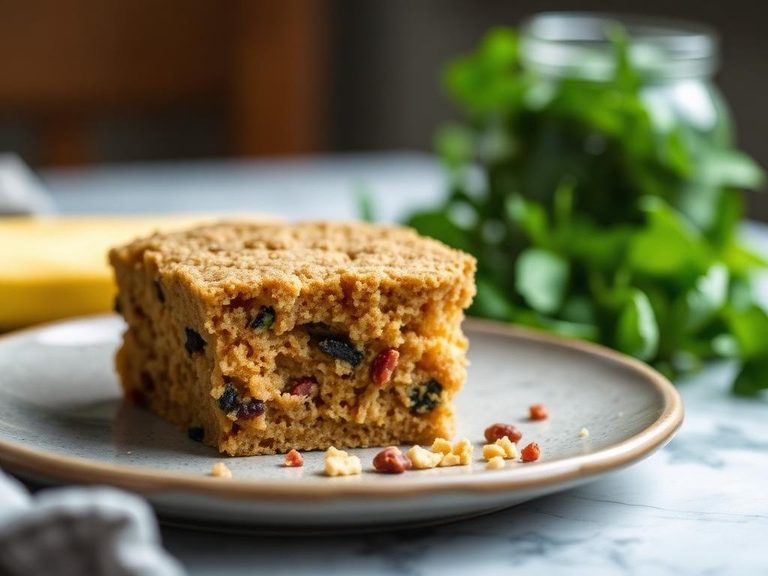
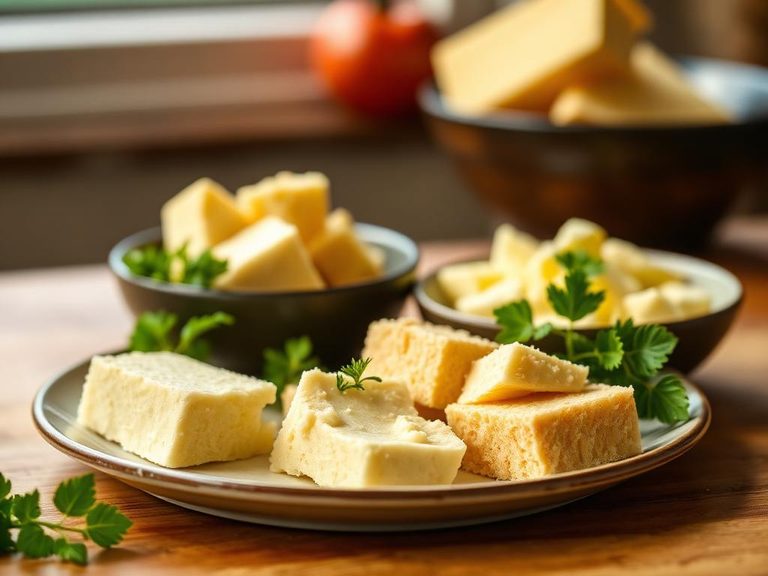
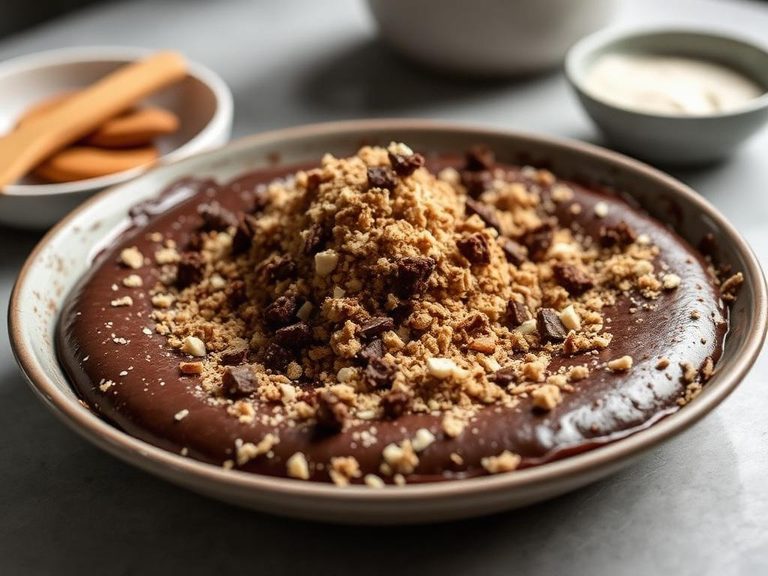
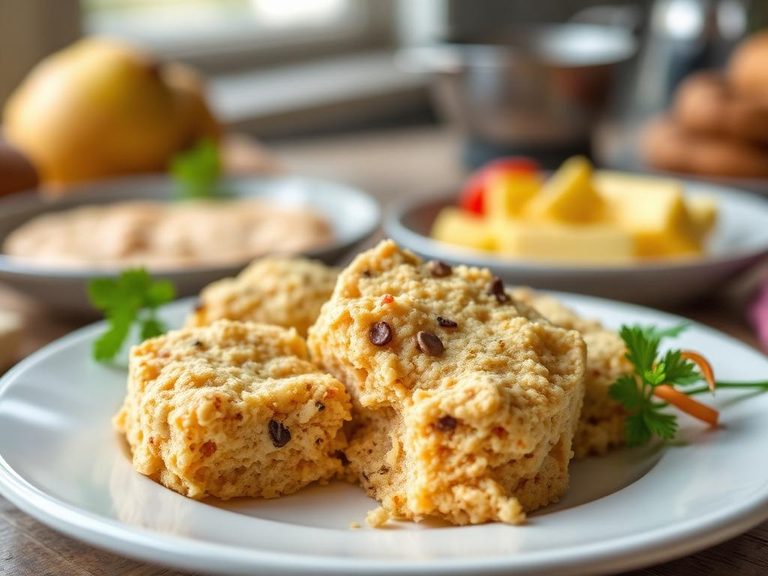
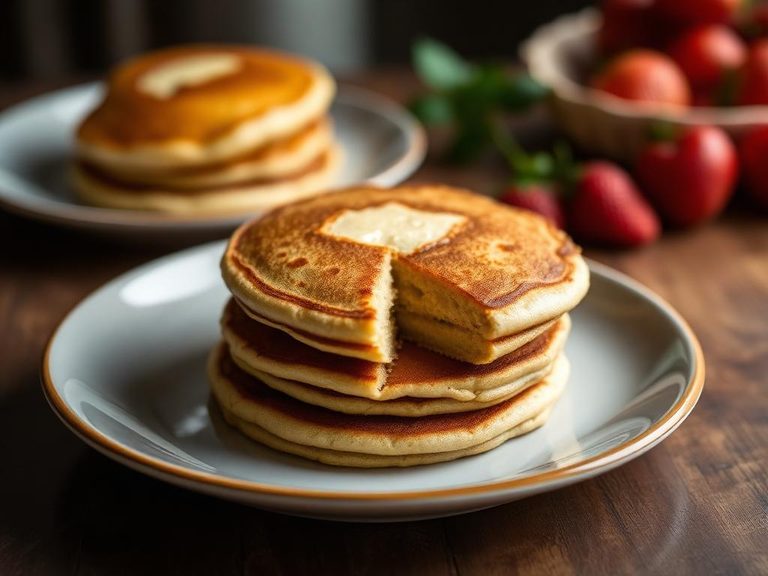
Homemade vegan baking encompasses cakes, muffins, and other treats made without any animal products like eggs, dairy, or honey. Common plant-based ingredients include flours (all-purpose, whole wheat, almond), sweeteners (maple syrup, coconut sugar), fats (coconut oil, vegan butter), and binders like flax eggs or applesauce. While the tradition of baking is global, this specific adaptation has surged in popularity worldwide as part of modern plant-based and conscious eating movements.
🍽️ Nutrition at a glance
These baked goods are typically high in carbohydrates from flour and sweeteners, with fat content depending on the recipe (from oils, nuts, or vegan butter). They provide some fiber if whole grain flours are used, along with varying micronutrients from ingredients like fruits, nuts, or seeds. A standard homemade muffin or slice of cake usually ranges from 200 to 400 calories per serving.
Nutrition breakdown
| Calories | 310 kcal |
| Protein | 4.5 g |
| Carbs | 48 g |
| Fat | 12 g |
| Fiber | 2.5 g |
| Sugar | 22 g |
| Sodium | 280 mg |
| Iron | 2.5 mg |
| Calcium | 120 mg |
| Potassium | 180 mg |
| Magnesium | 30 mg |
| Phosphorus | 90 mg |
| Folate | 60 µg |
| Vitamin B6 | 0.15 mg |
| Vitamin E | 2 mg |
Per 1 muffin (113 g) · estimated, varies by recipe
💡 What's interesting
Vegan baking is creatively unique because it relies on innovative science to replace the functional roles of eggs (binding, leavening, moisture) using ingredients like mashed banana, chia seeds, or commercial egg replacers. Nutritionally, it can be a gateway to incorporating more plant-based ingredients and reducing saturated fat from dairy, while still offering a familiar comfort food experience.