Vegan butter substitutes for baking
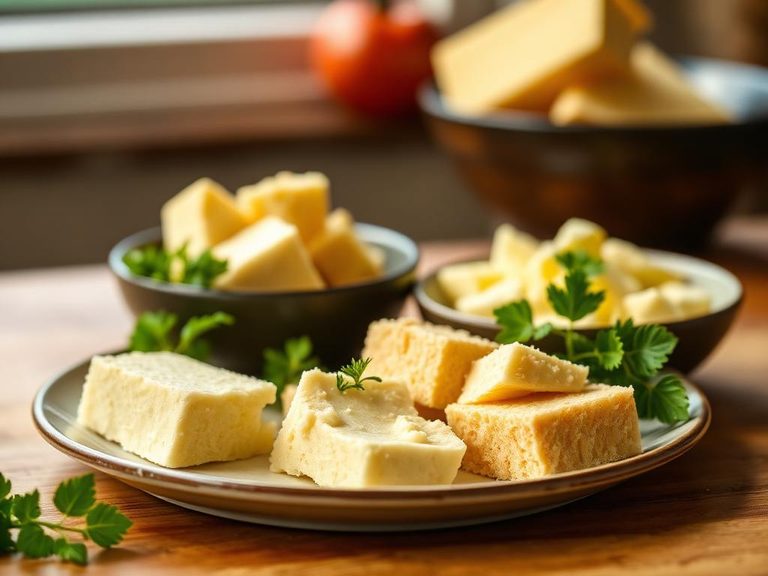
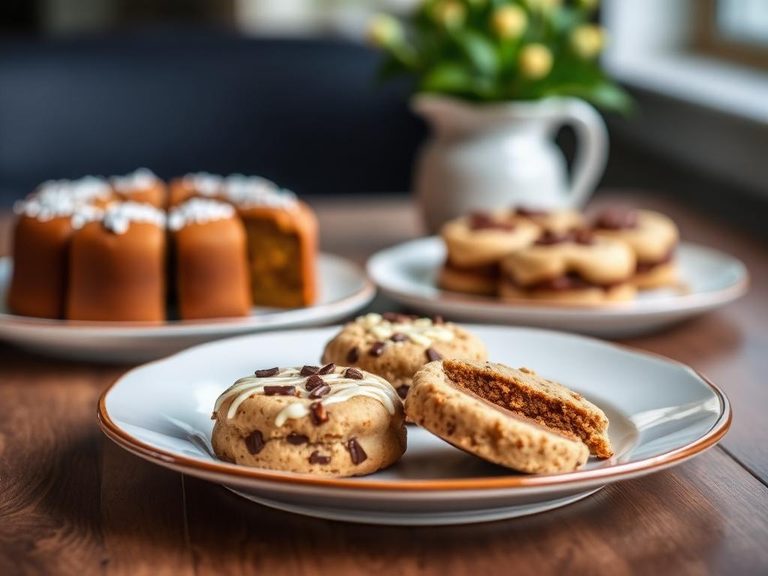
Vegan butter substitutes for baking are plant-based spreads designed to replicate the flavor, texture, and functionality of dairy butter in recipes like cookies, cakes, and pastries. They are typically made from a blend of refined plant oils (like coconut, palm, or canola), water, emulsifiers, natural flavors, and sometimes soy milk or almond milk for creaminess. These products originate from the growing demand for dairy-free and vegan alternatives in Western baking traditions.
🍽️ Nutrition at a glance
These substitutes are high in fat, primarily from plant oils, with minimal protein and carbohydrates. A typical serving provides a good source of energy and may contain added vitamins like Vitamin D and B12, with a calorie count similar to dairy butter, around 100-110 kcal per tablespoon.
Nutrition breakdown
| Calories | 100 kcal |
| Protein | 0 g |
| Carbs | 0 g |
| Fat | 11 g |
| Fiber | 0 g |
| Sugar | 0 g |
| Sodium | 90 mg |
| Vitamin A | 110 mcg RAE |
| Vitamin D | 2 mcg |
| Vitamin E | 1.5 mg |
| Vitamin B12 | 0.4 mcg |
| Calcium | 5 mg |
| Iron | 0.1 mg |
Per 1 tablespoon (14 g) · estimated, varies by recipe
💡 What's interesting
Culturally, they represent a significant innovation in modern plant-based cuisine, enabling traditional baking to be accessible to those with lactose intolerance or ethical dietary choices. Nutritionally, they often contain heart-healthier unsaturated fats compared to dairy butter's saturated fat, though they can be highly processed.