Meat substitutes and veggie burger patties
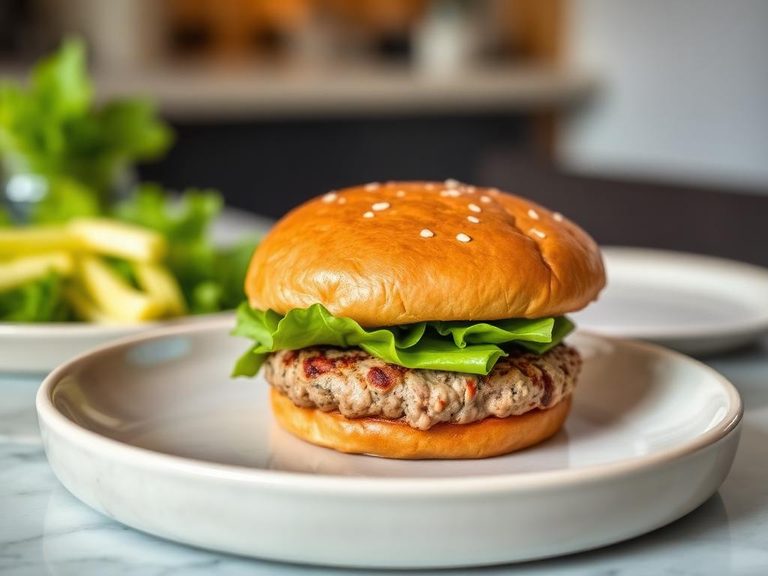
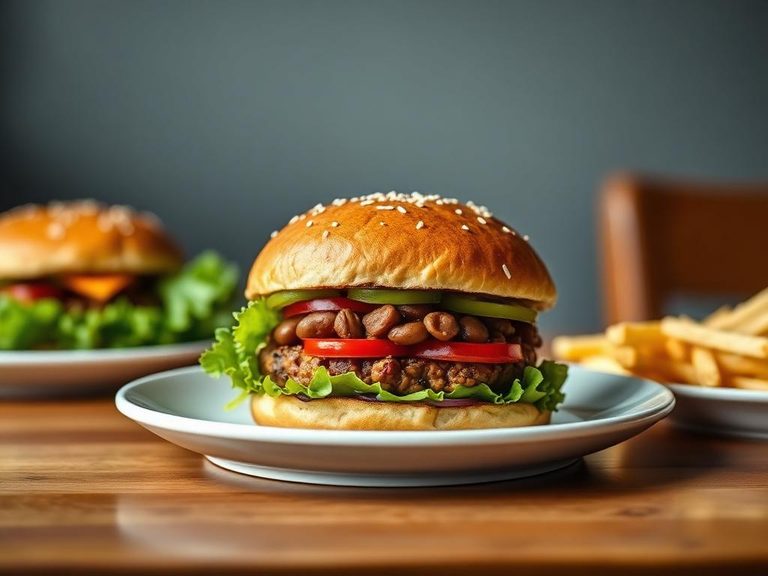
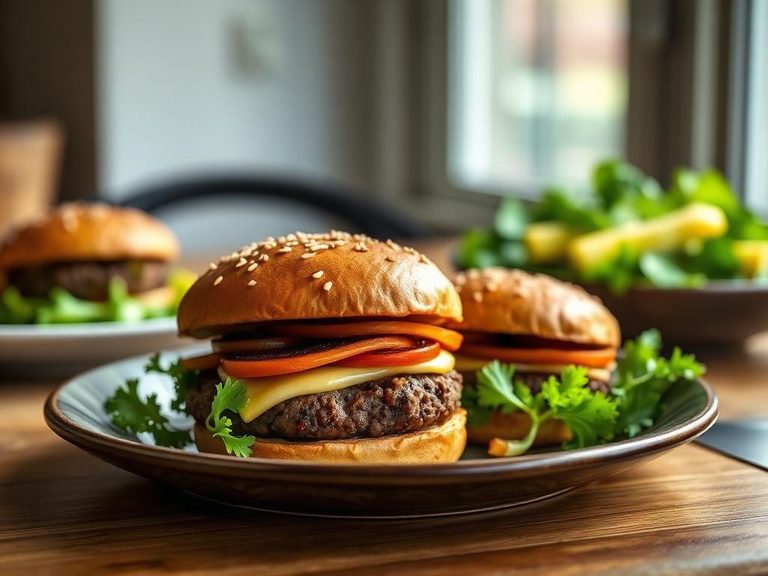
Meat substitutes and veggie burger patties are plant-based alternatives designed to mimic the taste and texture of traditional meat burgers. They are typically made from ingredients like soy, pea protein, wheat gluten, or a blend of vegetables, legumes, and grains. While originating from various global culinary traditions, they have become a staple in modern Western health-conscious and vegetarian cuisines.
🍽️ Nutrition at a glance
These patties are generally high in protein and fiber, with a moderate amount of carbohydrates and fat, depending on the base ingredients. They are a good source of iron, B vitamins (often fortified), and minerals, with a typical calorie range of 150-250 kcal per patty.
Nutrition breakdown
| Calories | 190 kcal |
| Protein | 18 g |
| Carbs | 12 g |
| Fat | 8 g |
| Fiber | 4 g |
| Sugar | 2 g |
| Sodium | 380 mg |
| Iron | 3.5 mg |
| Potassium | 280 mg |
| Calcium | 80 mg |
| Vitamin B12 | 1.2 mcg |
| Niacin (B3) | 4.5 mg |
| Folate | 120 mcg |
| Phosphorus | 150 mg |
| Magnesium | 30 mg |
Per 1 patty (113 g) · estimated, varies by recipe
💡 What's interesting
Culturally, they represent a significant shift in modern diets towards sustainable and ethical eating. Nutritionally, they offer a way to reduce saturated fat and cholesterol intake while providing plant-based protein, though they can be high in sodium.