

Honey
Whole food · Sweets
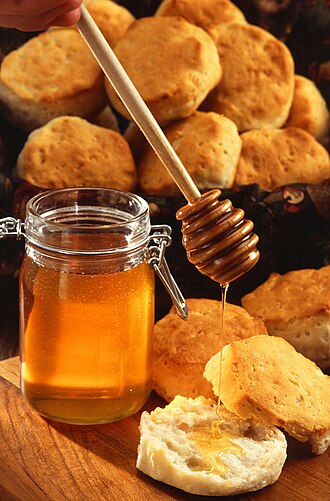
Photo: Wikipedia
Honey is a viscous, golden nectar produced by bees from flower nectar, prized for its complex floral sweetness and smooth, sometimes crystalline texture. Nutritionally, it is a concentrated source of carbohydrates, providing quick energy with virtually no fat or protein. Its unique composition of fructose and glucose gives it a lower glycemic index than table sugar, though it remains a potent sweetener.
Calorie split: 0% protein · 100% carbs · 0% fat
↓ Full nutrition💚 Why it's loved
People love honey for its profound, varied sweetness—ranging from light and floral to deep and malty—and its remarkable versatility in both sweet and savory dishes. It is deeply embedded in culinary traditions and rituals worldwide, symbolizing warmth and nourishment.
⚠️ Watch-outs & how to enjoy it better
Honey is high in free sugars (82g per 100g), which can cause rapid blood-sugar spikes if consumed in large quantities, making portion control essential for those managing diabetes or insulin resistance. To mitigate this, pair it with protein, fat, or fiber (e.g., in yogurt or on whole-grain toast) to slow absorption. Never give honey to infants under one year due to the risk of botulism.
Key benefits
- Provides quick, natural energy from carbohydrates.
- Contains trace antioxidants and enzymes from floral sources.
- Acts as a natural humectant, helping retain moisture.
- Offers a lower glycemic index than refined sugar.
- Has traditional uses as a natural preservative.
🍽️ Popular dishes

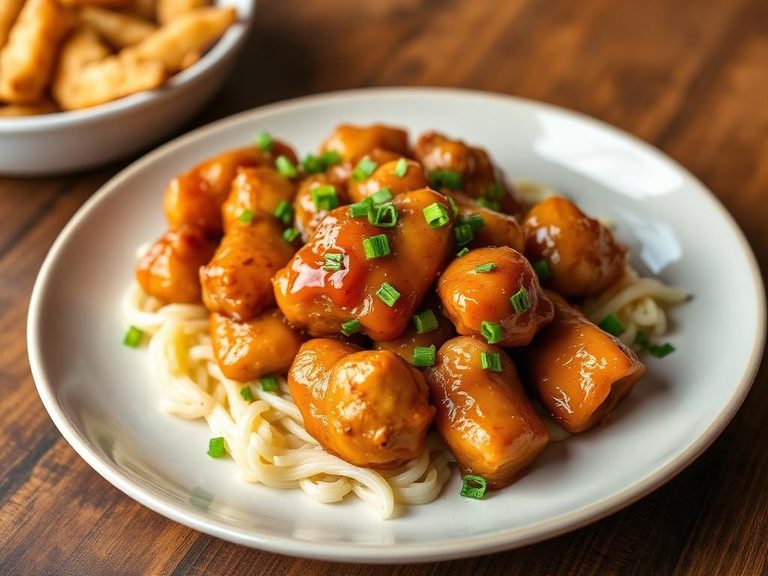
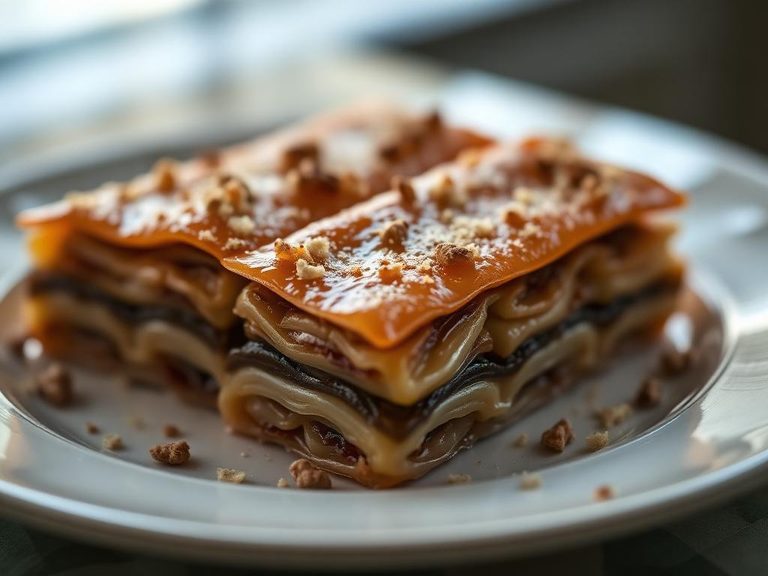
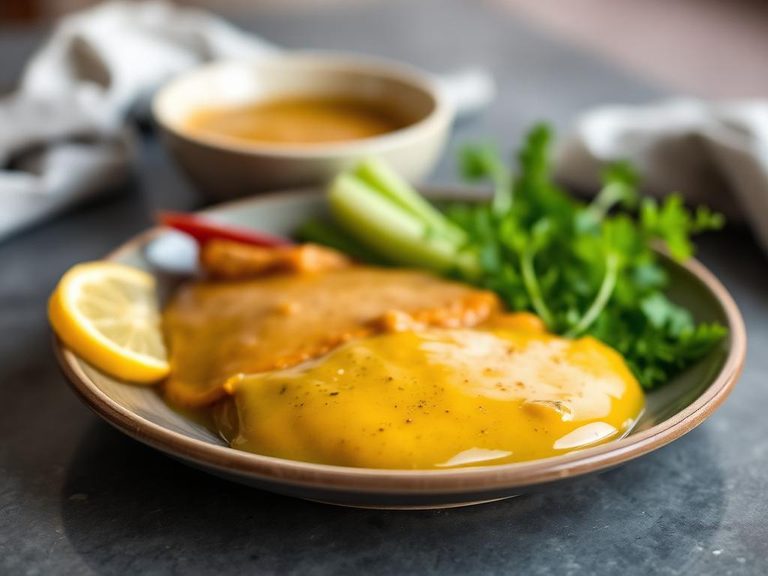

🌍 Where it's eaten
💡 Did you know?
Archaeologists have found 3,000-year-old honey in Egyptian tombs that was still perfectly edible, thanks to its low moisture and acidic pH.
Full nutrition (USDA data · scales with serving)
| Water | 17.1 g |
| Energy | 304 kcal |
| Energy | 1272 kj |
| Protein | 0.30 g |
| Total lipid (fat) | 0.00 g |
| Ash | 0.20 g |
| Carbohydrate, by difference | 82.4 g |
| Fiber, total dietary | 0.20 g |
| Total Sugars | 82.1 g |
| Sucrose | 0.89 g |
| Glucose | 35.8 g |
| Fructose | 40.9 g |
| Maltose | 1.4 g |
| Galactose | 3.1 g |
| Calcium, Ca | 6.0 mg |
| Iron, Fe | 0.42 mg |
| Magnesium, Mg | 2.0 mg |
| Phosphorus, P | 4.0 mg |
| Potassium, K | 52.0 mg |
| Sodium, Na | 4.0 mg |
| Zinc, Zn | 0.22 mg |
| Copper, Cu | 0.04 mg |
| Manganese, Mn | 0.08 mg |
| Selenium, Se | 0.80 ug |
| Fluoride, F | 7.0 ug |
| Vitamin C, total ascorbic acid | 0.50 mg |
| Thiamin | 0.00 mg |
| Riboflavin | 0.04 mg |
| Niacin | 0.12 mg |
| Pantothenic acid | 0.07 mg |
| Vitamin B-6 | 0.02 mg |
| Folate, total | 2.0 ug |
| Folic acid | 0.00 ug |
| Folate, food | 2.0 ug |
| Folate, DFE | 2.0 ug |
| Choline, total | 2.2 mg |
| Betaine | 1.7 mg |
| Vitamin B-12 | 0.00 ug |
| Vitamin B-12, added | 0.00 ug |
| Vitamin A, RAE | 0.00 ug |
| Retinol | 0.00 ug |
| Carotene, beta | 0.00 ug |
| Carotene, alpha | 0.00 ug |
| Cryptoxanthin, beta | 0.00 ug |
| Vitamin A, IU | 0.00 iu |
| Lycopene | 0.00 ug |
| Lutein + zeaxanthin | 0.00 ug |
| Vitamin E (alpha-tocopherol) | 0.00 mg |
| Vitamin E, added | 0.00 mg |
| Vitamin D (D2 + D3), International Units | 0.00 iu |
| Vitamin D (D2 + D3) | 0.00 ug |
| Vitamin K (phylloquinone) | 0.00 ug |
| Alcohol, ethyl | 0.00 g |
| Caffeine | 0.00 mg |
| Theobromine | 0.00 mg |
Fat & fatty acid profile (per 100g)
| Fatty acids, total saturated | 0.00 g |
| SFA 4:0 | 0.00 g |
| SFA 6:0 | 0.00 g |
| SFA 8:0 | 0.00 g |
| SFA 10:0 | 0.00 g |
| SFA 12:0 | 0.00 g |
| SFA 14:0 | 0.00 g |
| SFA 16:0 | 0.00 g |
| SFA 18:0 | 0.00 g |
| Fatty acids, total monounsaturated | 0.00 g |
| MUFA 16:1 | 0.00 g |
| MUFA 18:1 | 0.00 g |
| MUFA 20:1 | 0.00 g |
| MUFA 22:1 | 0.00 g |
| Fatty acids, total polyunsaturated | 0.00 g |
| PUFA 18:2 | 0.00 g |
| PUFA 18:3 | 0.00 g |
| PUFA 18:4 | 0.00 g |
| PUFA 20:4 | 0.00 g |
| PUFA 20:5 n-3 (EPA) | 0.00 g |
| PUFA 22:5 n-3 (DPA) | 0.00 g |
| PUFA 22:6 n-3 (DHA) | 0.00 g |
| Cholesterol | 0.00 mg |
Amino acid profile (per 100g)
| Tryptophan | 0.00 g |
| Threonine | 0.00 g |
| Isoleucine | 0.01 g |
| Leucine | 0.01 g |
| Lysine | 0.01 g |
| Methionine | 0.00 g |
| Cystine | 0.00 g |
| Phenylalanine | 0.01 g |
| Tyrosine | 0.01 g |
| Valine | 0.01 g |
| Arginine | 0.01 g |
| Histidine | 0.00 g |
| Alanine | 0.01 g |
| Aspartic acid | 0.03 g |
| Glutamic acid | 0.02 g |
| Glycine | 0.01 g |
| Proline | 0.09 g |
| Serine | 0.01 g |
FAQ
Is honey healthier than sugar?
Honey contains trace nutrients and antioxidants absent in refined sugar, but it is still a concentrated source of sugar and calories. Its lower glycemic index means a slightly slower blood sugar rise, but it should be used in moderation.
Why does honey crystallize, and is it still good?
Crystallization is a natural process where glucose forms crystals. It does not mean the honey is spoiled. You can restore it to a liquid state by gently warming the jar in a bowl of warm water.
Can I cook and bake with honey?
Yes, but honey browns faster than sugar due to its fructose content. Reduce oven temperature by about 25°F (15°C) and check baked goods earlier. It also adds moisture and can act as a binding agent.
Nutrient density (calculated · NRF9.3)
Nutrient Rich Foods index: beneficial nutrients (protein, fiber, vitamins, minerals) minus saturated fat, added sugar & sodium, per 100 kcal.
NRF9.3 index — Fulgoni, Keast & Drewnowski, 2009. Computed from USDA nutrients.
Weight-loss friendliness (composite index)
Energy density 3.04 kcal/g · 0% calories from protein · 0.2 g fiber · 82.1 g sugar per 100 g.
Composite of energy density (Rolls et al., 1999), protein & fiber satiety, minus sugar. A calculated heuristic — ranks satiety-per-calorie, not a clinical measure.
Dietary load (calculated from USDA values)
Potential renal acid load. Positive = acid-forming, negative = alkaline-forming.
Sodium-to-potassium ratio: 0.08 (lower is better — aim for ≤ 1)
Sodium:potassium per WHO potassium guidance. Computed from USDA nutrients.