

Cream, sour, full fat
Whole food · Dairy and Egg Products
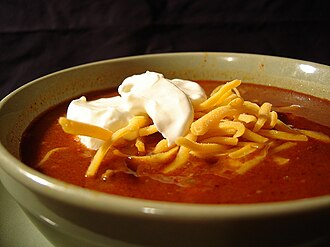
Photo: Wikipedia
Sour cream is a rich, cultured dairy product with a thick, velvety texture and a distinct tangy flavor that cuts through richness. It's made by fermenting regular cream with specific lactic acid bacteria, which thickens it and develops its signature sour note. Nutritionally, it's a high-fat, calorie-dense food that provides a creamy vehicle for fat-soluble vitamins.
Calorie split: 6% protein · 11% carbs · 82% fat
↓ Full nutrition💚 Why it's loved
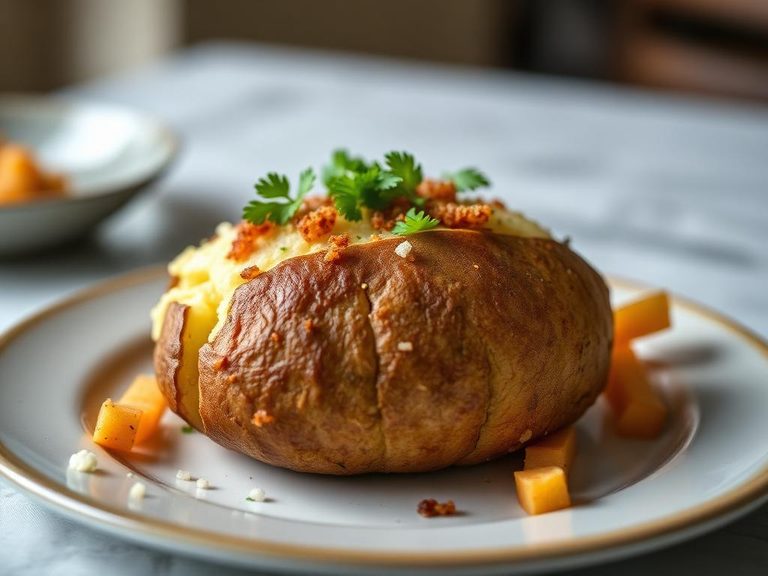
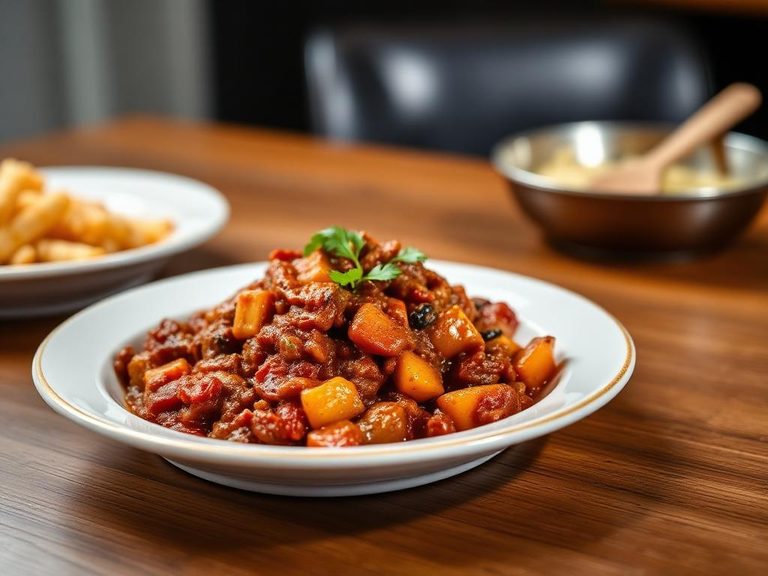
People love it for its luxurious, cooling mouthfeel and bright tang that perfectly balances spicy, salty, or fatty foods. It's a versatile staple that can transform a simple baked potato or chili into a more complete and satisfying dish.
⚠️ Watch-outs & how to enjoy it better
Its high saturated fat and calorie content make it a poor choice for low-fat diets or those monitoring cholesterol. The dairy content is a common allergen, and the tang can sometimes exacerbate acid reflux. To counteract, use it as a garnish rather than a base, opt for a low-fat version, or pair it with high-fiber foods like beans or vegetables to slow fat absorption.
Key benefits
- Provides calcium and vitamin A from dairy fat
- The tang can aid in balancing rich, fatty dishes
- Contains probiotics from live bacterial cultures
- Adds moisture and richness to baked goods
- A source of conjugated linoleic acid (CLA)
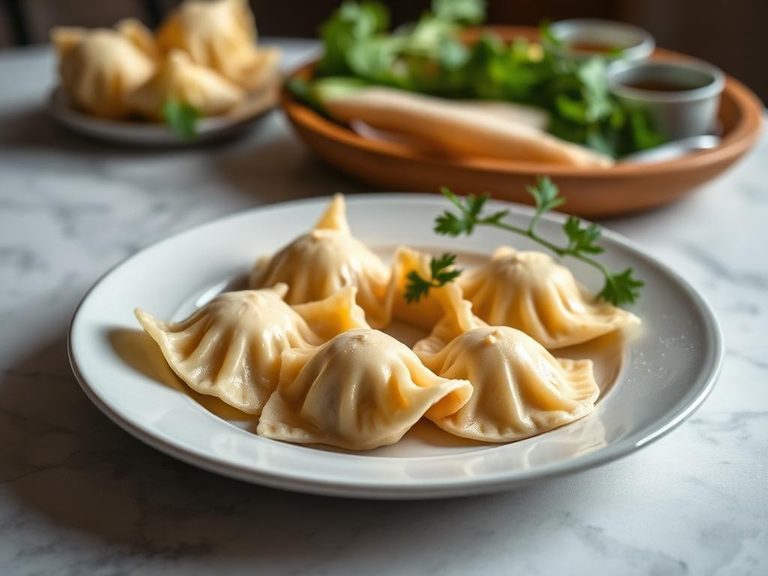
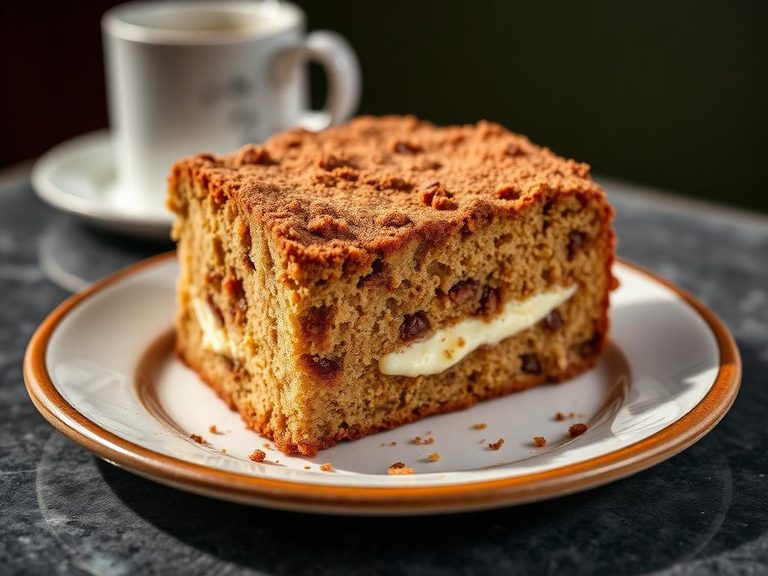
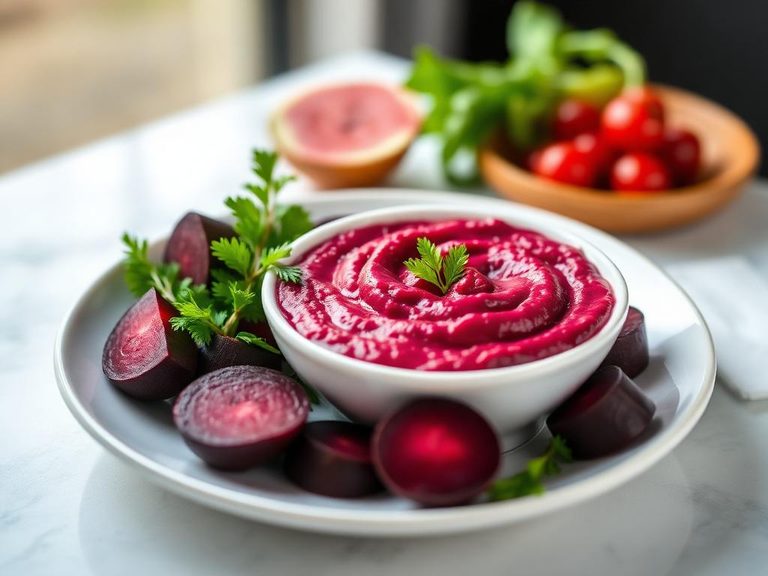
🍽️ Popular dishes
🌍 Where it's eaten
💡 Did you know?
The 'sour' in sour cream comes from the bacterial fermentation of lactose into lactic acid, which is the same process used to make yogurt and buttermilk.
Full nutrition (USDA data · scales with serving)
| Water | 72.6 g |
| Energy (Atwater General Factors) | 196 kcal |
| Energy (Atwater Specific Factors) | 193 kcal |
| Nitrogen | 0.48 g |
| Protein | 3.1 g |
| Total lipid (fat) | 18.0 g |
| Ash | 0.80 g |
| Carbohydrate, by difference | 5.6 g |
| Calcium, Ca | 107 mg |
| Iron, Fe | 0.00 mg |
| Magnesium, Mg | 10.1 mg |
| Phosphorus, P | 102 mg |
| Potassium, K | 154 mg |
| Sodium, Na | 50.0 mg |
| Zinc, Zn | 0.39 mg |
| Copper, Cu | 0.00 mg |
| Manganese, Mn | 0.00 mg |
| Iodine, I | 32.8 ug |
| Thiamin | 0.04 mg |
| Niacin | 0.10 mg |
| Vitamin B-6 | 0.04 mg |
| Biotin | 1.9 ug |
| Vitamin B-12 | 0.06 ug |
| Retinol | 152 ug |
| Vitamin K (phylloquinone) | 1.2 ug |
| Vitamin K (Dihydrophylloquinone) | 0.00 ug |
| Vitamin K (Menaquinone-4) | 5.2 ug |
Fat & fatty acid profile (per 100g)
| Fatty acids, total saturated | 10.7 g |
| SFA 12:0 | 0.55 g |
| SFA 14:0 | 1.7 g |
| SFA 16:0 | 5.0 g |
| SFA 18:0 | 1.6 g |
| Fatty acids, total monounsaturated | 3.8 g |
| PUFA 18:2 n-6 c,c | 0.38 g |
| Cholesterol | 52.7 mg |
Amino acid profile (per 100g)
Estimated from Cream, fluid, light (coffee cream or table cream) — USDA does not publish this profile for Cream.
| Tryptophan | 0.07 g |
| Threonine | 0.13 g |
| Isoleucine | 0.15 g |
| Leucine | 0.24 g |
| Lysine | 0.13 g |
| Methionine | 0.07 g |
| Cystine | 0.01 g |
| Phenylalanine | 0.14 g |
| Tyrosine | 0.14 g |
| Valine | 0.18 g |
| Arginine | 0.07 g |
| Histidine | 0.07 g |
| Alanine | 0.09 g |
| Aspartic acid | 0.22 g |
| Glutamic acid | 0.59 g |
| Glycine | 0.07 g |
| Proline | 0.31 g |
| Serine | 0.10 g |
FAQ
Is sour cream the same as crème fraîche?
No. While both are cultured creams, sour cream is fermented at a lower temperature with different bacteria, resulting in a tangier flavor and lower fat content (typically 18-20%). Crème fraîche is fermented at a higher temperature, has a higher fat content (30-40%), a milder taste, and is less prone to curdling when heated.
Can I use sour cream in cooking and baking?
Yes, but with care. It adds moisture and tang to cakes, muffins, and biscuits. In hot dishes like soups or sauces, temper it first by mixing a small amount of the hot liquid into the sour cream before adding it back to the pot to prevent curdling.
What does 'full fat' mean for sour cream?
It means the cream used has not had its fat content reduced before culturing. Full-fat sour cream typically contains 18-20% milkfat, providing its characteristic rich texture and flavor. Reduced-fat versions often use thickeners like gelatin or starch to compensate for the lower fat.
Nutrient density (calculated · NRF9.3)
Nutrient Rich Foods index: beneficial nutrients (protein, fiber, vitamins, minerals) minus saturated fat, added sugar & sodium, per 100 kcal.
NRF9.3 index — Fulgoni, Keast & Drewnowski, 2009. Computed from USDA nutrients.
Weight-loss friendliness (composite index)
Energy density 1.96 kcal/g · 6% calories from protein · 0.0 g fiber · 0.0 g sugar per 100 g.
Composite of energy density (Rolls et al., 1999), protein & fiber satiety, minus sugar. A calculated heuristic — ranks satiety-per-calorie, not a clinical measure.
Dietary load (calculated from USDA values)
Potential renal acid load. Positive = acid-forming, negative = alkaline-forming.
Sodium-to-potassium ratio: 0.33 (lower is better — aim for ≤ 1)
Sodium:potassium per WHO potassium guidance. Computed from USDA nutrients.