

Pierogi
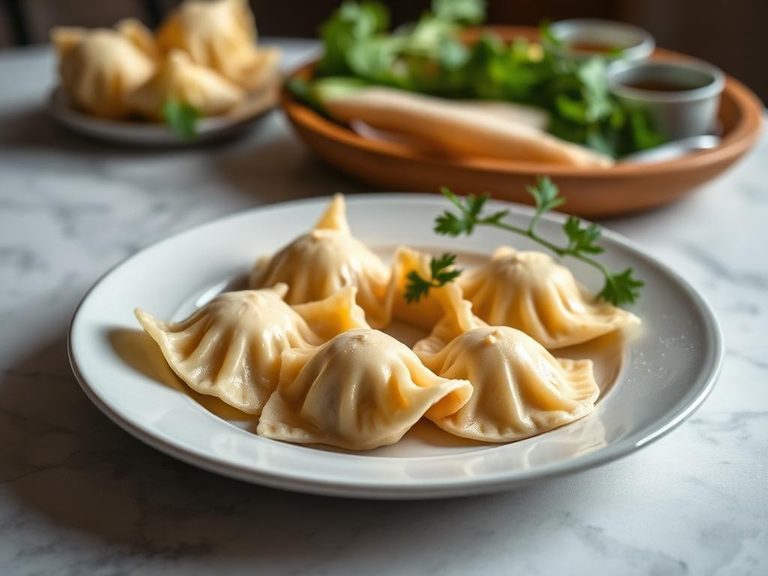
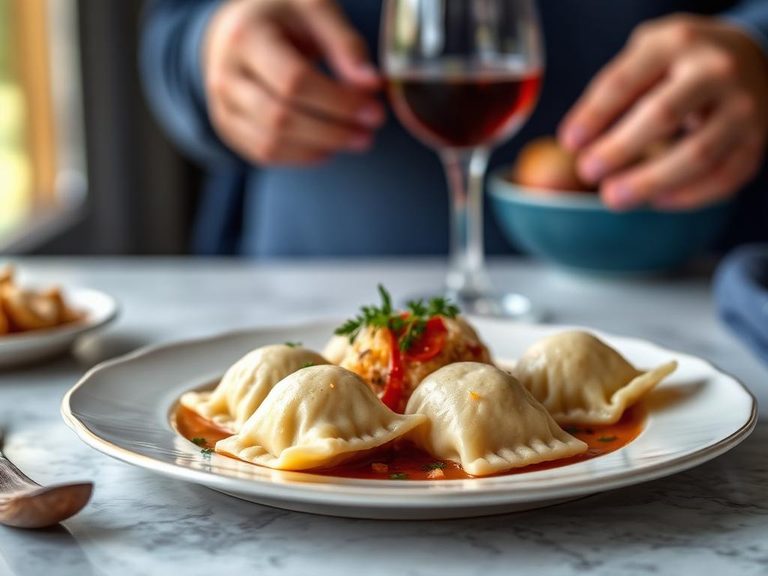
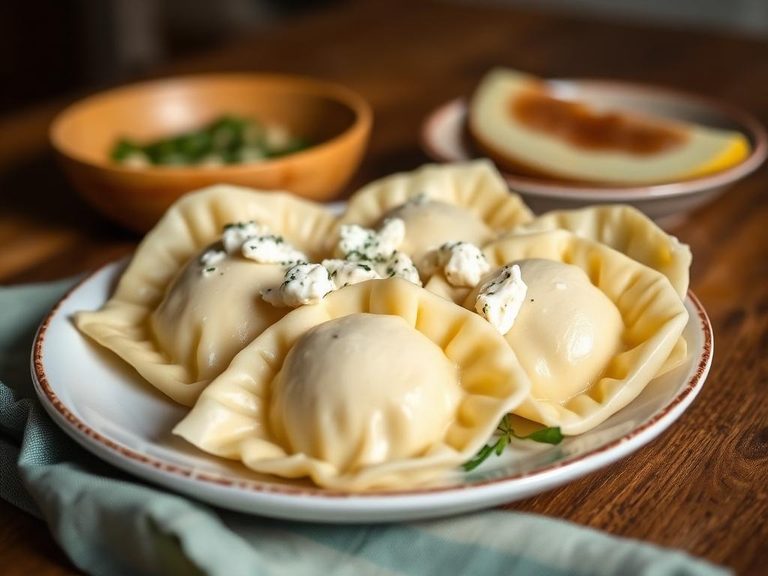
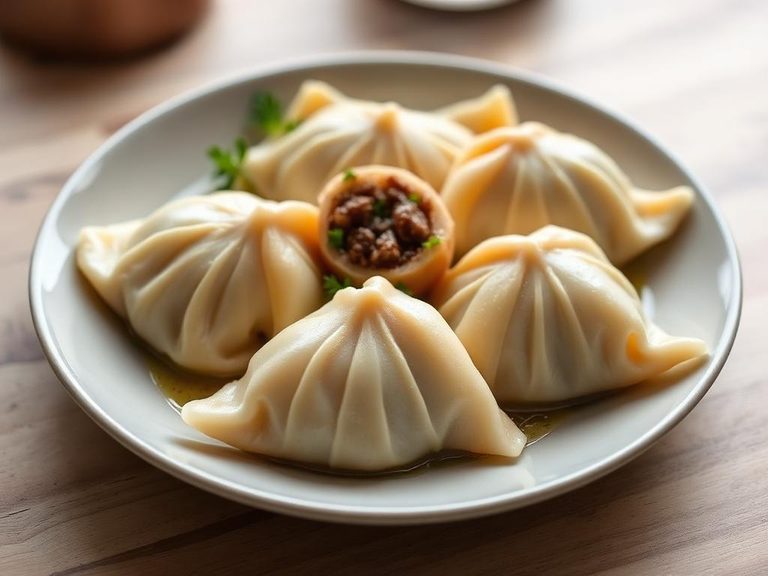
Pierogi are semi-circular dumplings made from unleavened dough, typically filled with savory or sweet ingredients like potato, cheese, sauerkraut, or fruit. Originating in Central and Eastern Europe, they are a beloved comfort food in countries like Poland, Ukraine, and Slovakia.
🍳 View the full Pierogi recipe →
🍽️ Nutrition at a glance
Pierogi are generally high in carbohydrates from the dough, with moderate fat and protein depending on the filling. A typical serving of 4-6 pierogi provides around 300-500 calories, offering key nutrients like potassium from potatoes and calcium from cheese.
Nutrition breakdown
| Calories | 410 kcal |
| Protein | 12 g |
| Carbs | 52 g |
| Fat | 16 g |
| Fiber | 4 g |
| Sugar | 3 g |
| Sodium | 680 mg |
| Potassium | 320 mg |
| Iron | 3.2 mg |
| Calcium | 65 mg |
| Vitamin C | 8 mg |
| Thiamin (B1) | 0.3 mg |
| Niacin (B3) | 2.5 mg |
| Folate | 75 mcg |
| Phosphorus | 140 mg |
Per 6 pierogi (240 g) · estimated, varies by recipe
💡 What's interesting
Culturally, pierogi are a staple at holiday celebrations and family gatherings, often symbolizing prosperity and togetherness. Nutritionally, their versatility allows for both hearty, savory meals and lighter, fruit-filled desserts, making them adaptable to various dietary preferences.
🍽️ Related dishes
AI estimate may be inaccurate · Terms