

Oil, coconut
Whole food · Fats and Oils

Photo: Wikipedia
Coconut oil is a highly saturated, plant-based fat extracted from the meat of mature coconuts, prized for its rich, sweet aroma and silky texture that melts into a liquid in your hands. It is almost entirely fat (99g per 100g), providing a dense source of energy with zero protein, carbohydrates, or fiber. Its unique composition of medium-chain triglycerides (MCTs) makes it metabolize differently than many other fats, offering a quick energy boost.
Calorie split: 0% protein · 0% carbs · 100% fat
↓ Full nutrition💚 Why it's loved
People love it for its distinct, sweet coconut fragrance that transforms simple dishes into tropical treats, and its incredible versatility from baking to frying to skincare. It's a staple in many cultures, adding a creamy, luxurious mouthfeel to curries, smoothies, and desserts.
⚠️ Watch-outs & how to enjoy it better
Its high saturated fat content (over 80%) means it should be consumed in moderation, especially by those monitoring cholesterol levels or heart health. To counteract this, use it sparingly as part of a balanced diet, pair it with fiber-rich foods like vegetables or whole grains, and opt for unrefined or virgin varieties for more nutritional benefits.
Key benefits
- High in medium-chain triglycerides (MCTs) for rapid energy conversion
- Contains lauric acid, which has antimicrobial properties
- Stable at high heat, making it suitable for frying and sautéing
- Adds a rich, creamy texture and tropical flavor to dishes
- Can be used as a natural skin and hair moisturizer
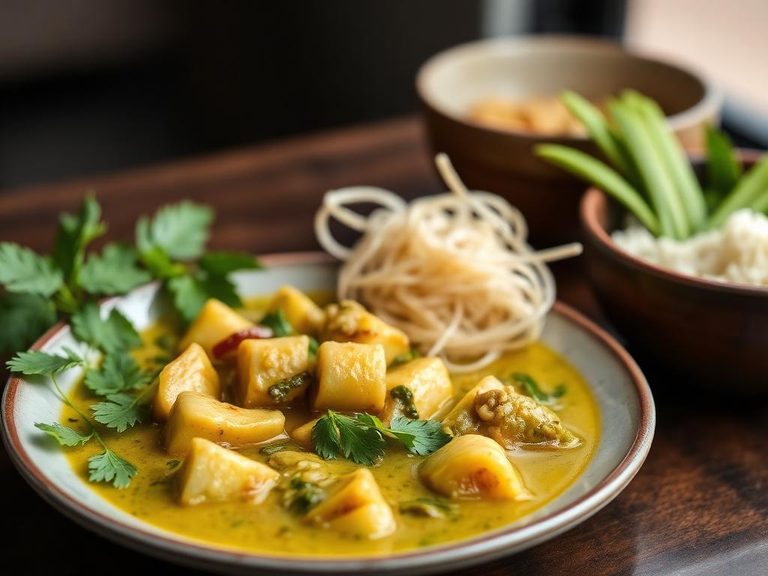
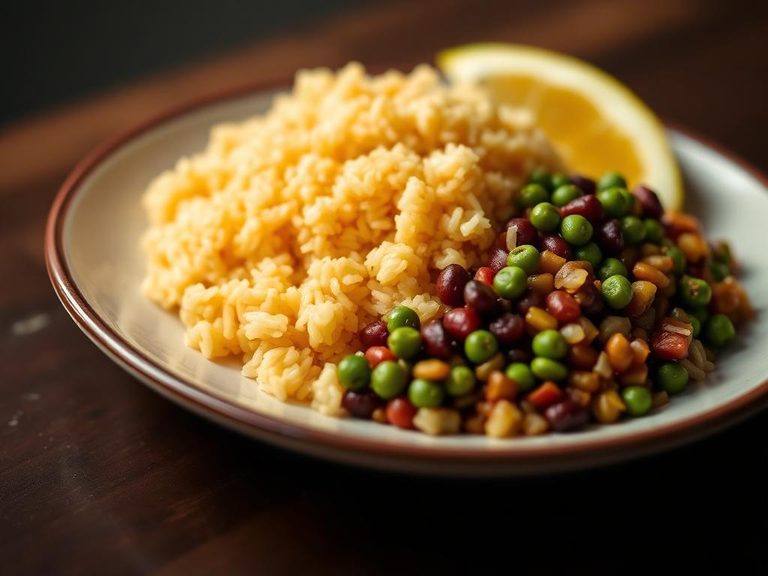
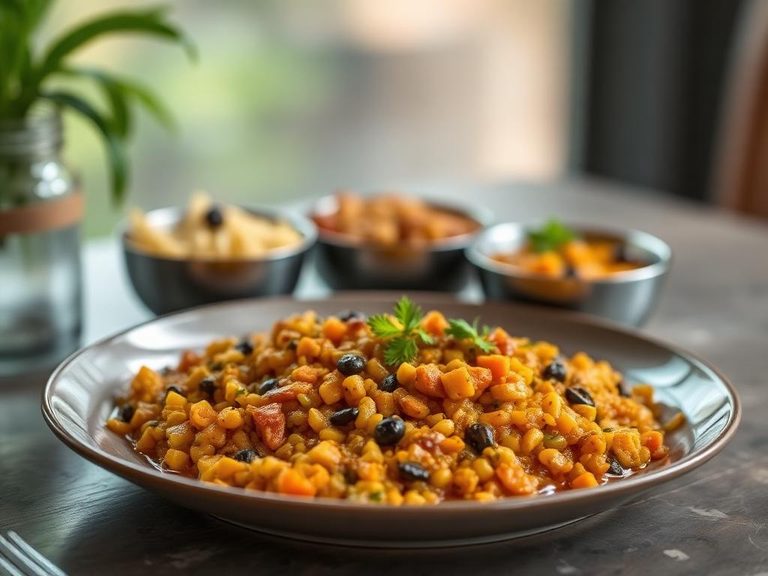
🍽️ Popular dishes



🌍 Where it's eaten
💡 Did you know?
Coconut oil was once used as a substitute for diesel fuel in some early engines, and it's also a key ingredient in traditional soap-making due to its high lauric acid content.
Full nutrition (USDA data · scales with serving)
| Water | 0.03 g |
| Energy | 892 kcal |
| Energy | 3730 kj |
| Protein | 0.00 g |
| Total lipid (fat) | 99.1 g |
| Ash | 0.03 g |
| Carbohydrate, by difference | 0.00 g |
| Fiber, total dietary | 0.00 g |
| Total Sugars | 0.00 g |
| Calcium, Ca | 1.0 mg |
| Iron, Fe | 0.05 mg |
| Magnesium, Mg | 0.00 mg |
| Phosphorus, P | 0.00 mg |
| Potassium, K | 0.00 mg |
| Sodium, Na | 0.00 mg |
| Zinc, Zn | 0.02 mg |
| Copper, Cu | 0.00 mg |
| Manganese, Mn | 0.00 mg |
| Selenium, Se | 0.00 ug |
| Vitamin C, total ascorbic acid | 0.00 mg |
| Thiamin | 0.00 mg |
| Riboflavin | 0.00 mg |
| Niacin | 0.00 mg |
| Pantothenic acid | 0.00 mg |
| Vitamin B-6 | 0.00 mg |
| Folate, total | 0.00 ug |
| Folic acid | 0.00 ug |
| Folate, food | 0.00 ug |
| Folate, DFE | 0.00 ug |
| Choline, total | 0.30 mg |
| Vitamin B-12 | 0.00 ug |
| Vitamin B-12, added | 0.00 ug |
| Vitamin A, RAE | 0.00 ug |
| Retinol | 0.00 ug |
| Carotene, beta | 0.00 ug |
| Carotene, alpha | 0.00 ug |
| Cryptoxanthin, beta | 0.00 ug |
| Vitamin A, IU | 0.00 iu |
| Lycopene | 0.00 ug |
| Lutein + zeaxanthin | 0.00 ug |
| Vitamin E (alpha-tocopherol) | 0.11 mg |
| Vitamin E, added | 0.00 mg |
| Tocopherol, beta | 0.60 mg |
| Tocopherol, gamma | 0.00 mg |
| Tocopherol, delta | 0.18 mg |
| Tocotrienol, alpha | 2.2 mg |
| Tocotrienol, beta | 0.13 mg |
| Tocotrienol, gamma | 0.36 mg |
| Tocotrienol, delta | 0.25 mg |
| Vitamin D (D2 + D3), International Units | 0.00 iu |
| Vitamin D (D2 + D3) | 0.00 ug |
| Vitamin K (phylloquinone) | 0.60 ug |
| Vitamin K (Dihydrophylloquinone) | 0.00 ug |
| Vitamin K (Menaquinone-4) | 0.00 ug |
| Alcohol, ethyl | 0.00 g |
| Caffeine | 0.00 mg |
| Theobromine | 0.00 mg |
Fat & fatty acid profile (per 100g)
| Fatty acids, total saturated | 82.5 g |
| SFA 4:0 | 0.01 g |
| SFA 6:0 | 0.48 g |
| SFA 8:0 | 6.8 g |
| SFA 10:0 | 5.4 g |
| SFA 12:0 | 41.8 g |
| SFA 14:0 | 16.7 g |
| SFA 15:0 | 0.01 g |
| SFA 16:0 | 8.6 g |
| SFA 17:0 | 0.01 g |
| SFA 18:0 | 2.5 g |
| SFA 20:0 | 0.08 g |
| SFA 22:0 | 0.02 g |
| SFA 24:0 | 0.03 g |
| Fatty acids, total monounsaturated | 6.3 g |
| MUFA 14:1 | 0.00 g |
| MUFA 15:1 | 0.00 g |
| MUFA 16:1 | 0.02 g |
| MUFA 16:1 c | 0.02 g |
| MUFA 17:1 | 0.00 g |
| MUFA 18:1 | 6.3 g |
| MUFA 18:1 c | 6.3 g |
| MUFA 20:1 | 0.04 g |
| MUFA 22:1 | 0.00 g |
| MUFA 22:1 c | 0.00 g |
| MUFA 24:1 c | 0.00 g |
| Fatty acids, total polyunsaturated | 1.7 g |
| PUFA 18:2 | 1.7 g |
| PUFA 18:2 n-6 c,c | 1.7 g |
| PUFA 18:2 CLAs | 0.00 g |
| PUFA 18:3 | 0.02 g |
| PUFA 18:3 n-3 c,c,c (ALA) | 0.02 g |
| PUFA 18:3 n-6 c,c,c | 0.00 g |
| PUFA 18:3i | 0.00 g |
| PUFA 18:4 | 0.00 g |
| PUFA 20:2 n-6 c,c | 0.00 g |
| PUFA 20:3 | 0.00 g |
| PUFA 20:3 n-3 | 0.00 g |
| PUFA 20:3 n-6 | 0.00 g |
| PUFA 20:4 | 0.00 g |
| PUFA 20:5 n-3 (EPA) | 0.00 g |
| PUFA 22:4 | 0.00 g |
| PUFA 22:5 n-3 (DPA) | 0.00 g |
| PUFA 22:6 n-3 (DHA) | 0.00 g |
| Fatty acids, total trans | 0.03 g |
| Fatty acids, total trans-monoenoic | 0.02 g |
| TFA 16:1 t | 0.00 g |
| TFA 18:1 t | 0.02 g |
| TFA 22:1 t | 0.00 g |
| TFA 18:2 t not further defined | 0.01 g |
| Fatty acids, total trans-polyenoic | 0.01 g |
| Cholesterol | 0.00 mg |
| Phytosterols | 86.0 mg |
Amino acid profile (per 100g)
| Tryptophan | 0.00 g |
| Threonine | 0.00 g |
| Isoleucine | 0.00 g |
| Leucine | 0.00 g |
| Lysine | 0.00 g |
| Methionine | 0.00 g |
| Cystine | 0.00 g |
| Phenylalanine | 0.00 g |
| Tyrosine | 0.00 g |
| Valine | 0.00 g |
| Arginine | 0.00 g |
| Histidine | 0.00 g |
| Alanine | 0.00 g |
| Aspartic acid | 0.00 g |
| Glutamic acid | 0.00 g |
| Glycine | 0.00 g |
| Proline | 0.00 g |
| Serine | 0.00 g |
FAQ
Is coconut oil healthy?
Coconut oil is high in saturated fat, so it's best used in moderation. It contains MCTs and lauric acid, which have some health benefits, but it's not a miracle food. Use it as part of a balanced diet.
Can I use coconut oil for frying?
Yes, coconut oil has a high smoke point (around 350°F or 175°C for refined, higher for virgin), making it suitable for frying and sautéing. It's stable at high temperatures, but avoid overheating it.
What's the difference between virgin and refined coconut oil?
Virgin coconut oil is less processed, retains more of its natural coconut flavor and aroma, and is often considered more nutritious. Refined coconut oil is bleached and deodorized, has a neutral flavor, and is better for high-heat cooking.
Nutrient density (calculated · NRF9.3)
Nutrient Rich Foods index: beneficial nutrients (protein, fiber, vitamins, minerals) minus saturated fat, added sugar & sodium, per 100 kcal.
NRF9.3 index — Fulgoni, Keast & Drewnowski, 2009. Computed from USDA nutrients.
Weight-loss friendliness (composite index)
Energy density 8.92 kcal/g · 0% calories from protein · 0.0 g fiber · 0.0 g sugar per 100 g.
Composite of energy density (Rolls et al., 1999), protein & fiber satiety, minus sugar. A calculated heuristic — ranks satiety-per-calorie, not a clinical measure.
Dietary load (calculated from USDA values)
Potential renal acid load. Positive = acid-forming, negative = alkaline-forming.
Sodium:potassium per WHO potassium guidance. Computed from USDA nutrients.