

Oil, olive, salad or cooking
Whole food · Fats and Oils
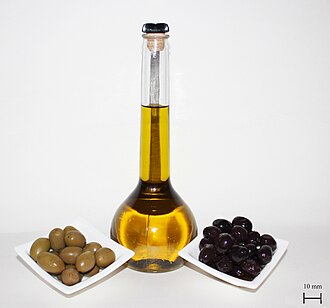
Photo: Wikipedia
Olive oil is the liquid gold extracted from olives, prized for its rich, fruity flavor that can range from mild and buttery to peppery and robust. It's a pure fat, delivering a silky mouthfeel and a distinct aroma that can transform a simple dish. Nutritionally, it's a powerhouse of monounsaturated fats, particularly oleic acid, which is celebrated for its heart-healthy properties.
Calorie split: 0% protein · 0% carbs · 100% fat
↓ Full nutrition💚 Why it's loved
People adore olive oil for its unparalleled ability to elevate flavor—whether drizzled over fresh tomatoes, used to sauté aromatics, or as the base for a vibrant vinaigrette. It's deeply woven into the culinary and cultural fabric of Mediterranean life, symbolizing health, tradition, and simplicity.
⚠️ Watch-outs & how to enjoy it better
As a calorie-dense fat (100% fat by weight), overconsumption can contribute to weight gain if not portion-controlled. Its smoke point varies; extra virgin oil can burn at high heat, producing harmful compounds. Tip: Use refined olive oil for high-heat cooking and reserve flavorful extra virgin for finishing. Always measure portions (e.g., 1 tablespoon) to manage calorie intake.
Key benefits
- Rich in heart-healthy monounsaturated fats (oleic acid)
- Contains potent antioxidant polyphenols like oleocanthal
- Associated with reduced inflammation and improved cholesterol levels
- A cornerstone of the Mediterranean diet, linked to longevity
- Enhances absorption of fat-soluble vitamins (A, D, E, K) from other foods
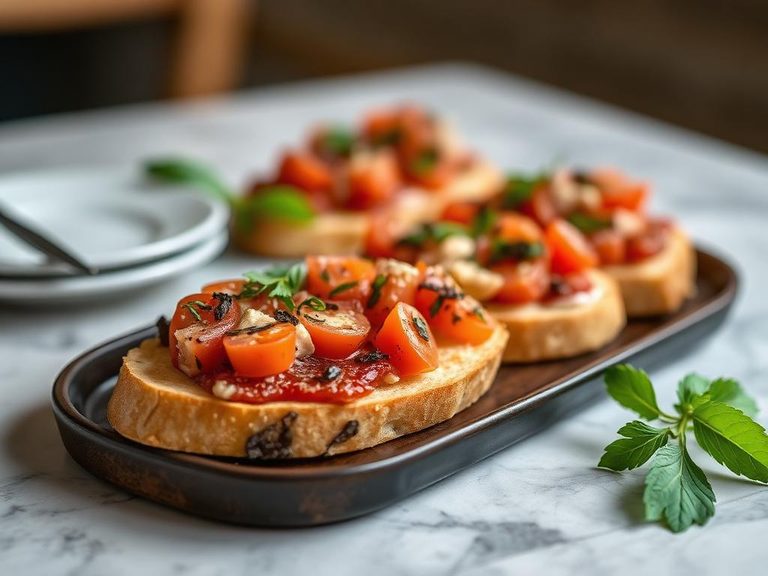
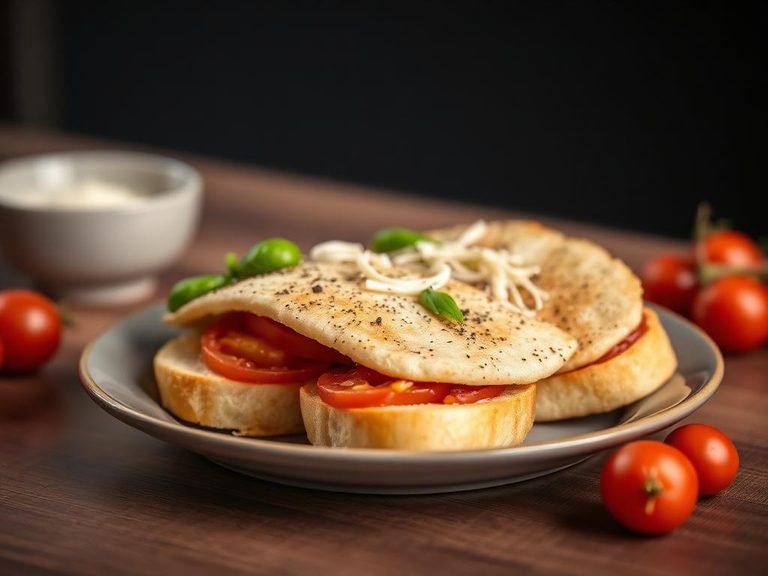
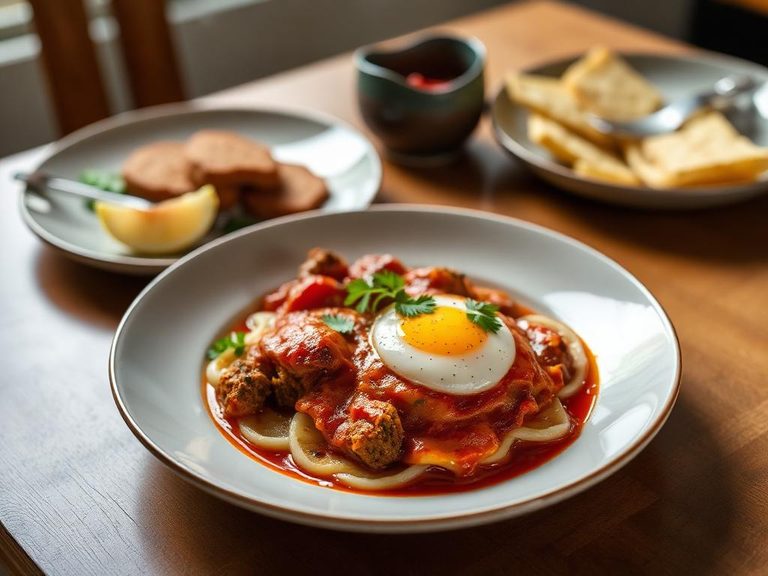
🍽️ Popular dishes
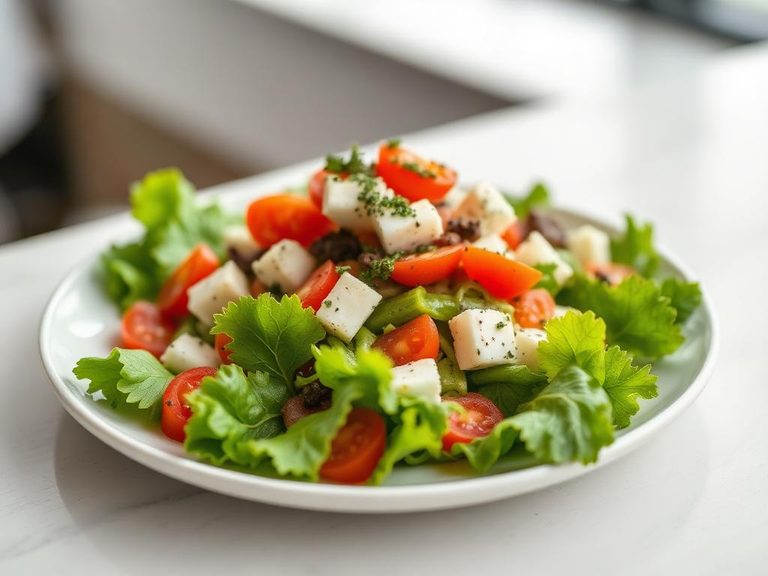
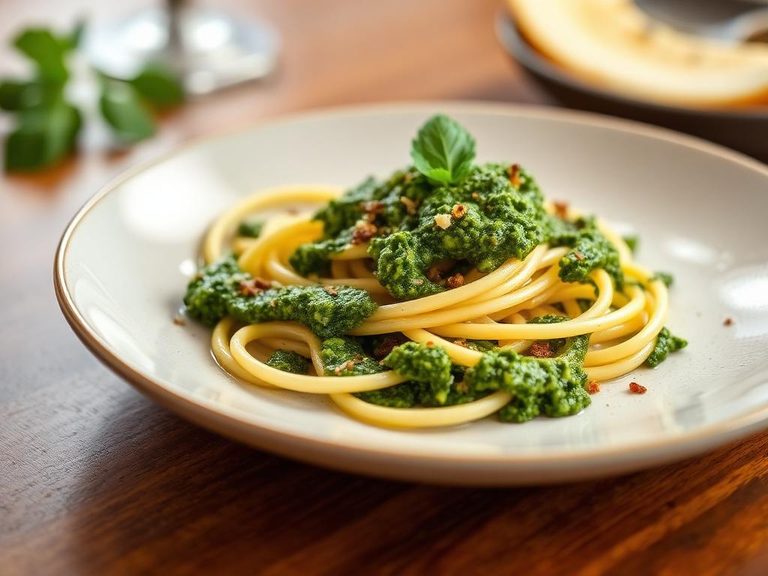
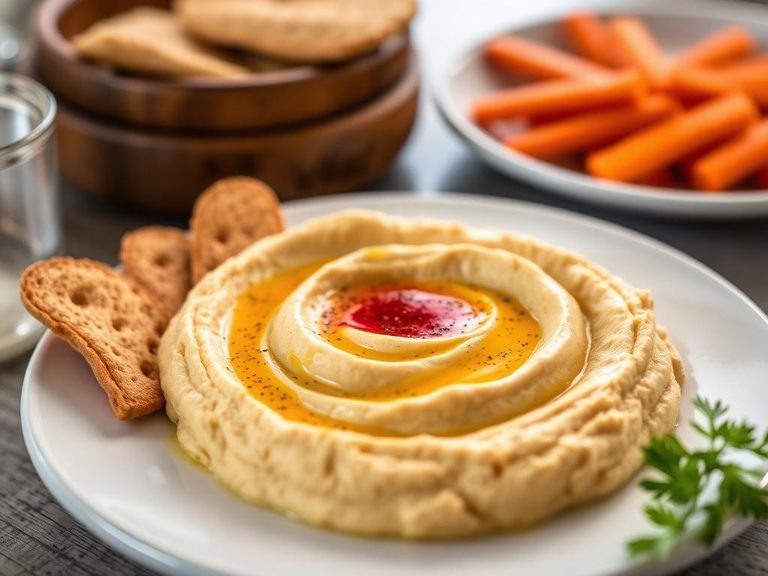
🌍 Where it's eaten
💡 Did you know?
The world's oldest known olive tree, located on the island of Crete, Greece, is estimated to be between 3,000 and 4,000 years old and may still be producing olives.
Full nutrition (USDA data · scales with serving)
| Water | 0.00 g |
| Energy | 884 kcal |
| Energy | 3699 kj |
| Protein | 0.00 g |
| Total lipid (fat) | 100 g |
| Ash | 0.00 g |
| Carbohydrate, by difference | 0.00 g |
| Fiber, total dietary | 0.00 g |
| Total Sugars | 0.00 g |
| Calcium, Ca | 1.0 mg |
| Iron, Fe | 0.56 mg |
| Magnesium, Mg | 0.00 mg |
| Phosphorus, P | 0.00 mg |
| Potassium, K | 1.0 mg |
| Sodium, Na | 2.0 mg |
| Zinc, Zn | 0.00 mg |
| Copper, Cu | 0.00 mg |
| Manganese, Mn | 0.00 mg |
| Selenium, Se | 0.00 ug |
| Vitamin C, total ascorbic acid | 0.00 mg |
| Thiamin | 0.00 mg |
| Riboflavin | 0.00 mg |
| Niacin | 0.00 mg |
| Pantothenic acid | 0.00 mg |
| Vitamin B-6 | 0.00 mg |
| Folate, total | 0.00 ug |
| Folic acid | 0.00 ug |
| Folate, food | 0.00 ug |
| Folate, DFE | 0.00 ug |
| Choline, total | 0.30 mg |
| Betaine | 0.10 mg |
| Vitamin B-12 | 0.00 ug |
| Vitamin B-12, added | 0.00 ug |
| Vitamin A, RAE | 0.00 ug |
| Retinol | 0.00 ug |
| Carotene, beta | 0.00 ug |
| Carotene, alpha | 0.00 ug |
| Cryptoxanthin, beta | 0.00 ug |
| Vitamin A, IU | 0.00 iu |
| Lycopene | 0.00 ug |
| Lutein + zeaxanthin | 0.00 ug |
| Vitamin E (alpha-tocopherol) | 14.3 mg |
| Vitamin E, added | 0.00 mg |
| Tocopherol, beta | 0.11 mg |
| Tocopherol, gamma | 0.83 mg |
| Tocopherol, delta | 0.00 mg |
| Vitamin D (D2 + D3), International Units | 0.00 iu |
| Vitamin D (D2 + D3) | 0.00 ug |
| Vitamin K (phylloquinone) | 60.2 ug |
| Vitamin K (Dihydrophylloquinone) | 0.00 ug |
| Alcohol, ethyl | 0.00 g |
| Caffeine | 0.00 mg |
| Theobromine | 0.00 mg |
Fat & fatty acid profile (per 100g)
| Fatty acids, total saturated | 13.8 g |
| SFA 4:0 | 0.00 g |
| SFA 6:0 | 0.00 g |
| SFA 8:0 | 0.00 g |
| SFA 10:0 | 0.00 g |
| SFA 12:0 | 0.00 g |
| SFA 14:0 | 0.00 g |
| SFA 16:0 | 11.3 g |
| SFA 17:0 | 0.02 g |
| SFA 18:0 | 2.0 g |
| SFA 20:0 | 0.41 g |
| SFA 22:0 | 0.13 g |
| SFA 24:0 | 0.00 g |
| Fatty acids, total monounsaturated | 73.0 g |
| MUFA 14:1 | 0.00 g |
| MUFA 16:1 | 1.3 g |
| MUFA 17:1 | 0.13 g |
| MUFA 18:1 | 71.3 g |
| MUFA 20:1 | 0.31 g |
| MUFA 22:1 | 0.00 g |
| Fatty acids, total polyunsaturated | 10.5 g |
| PUFA 18:2 | 9.8 g |
| PUFA 18:3 | 0.76 g |
| PUFA 18:4 | 0.00 g |
| PUFA 20:4 | 0.00 g |
| PUFA 20:5 n-3 (EPA) | 0.00 g |
| PUFA 22:5 n-3 (DPA) | 0.00 g |
| PUFA 22:6 n-3 (DHA) | 0.00 g |
| Cholesterol | 0.00 mg |
| Phytosterols | 221 mg |
Amino acid profile (per 100g)
| Tryptophan | 0.00 g |
| Threonine | 0.00 g |
| Isoleucine | 0.00 g |
| Leucine | 0.00 g |
| Lysine | 0.00 g |
| Methionine | 0.00 g |
| Cystine | 0.00 g |
| Phenylalanine | 0.00 g |
| Tyrosine | 0.00 g |
| Valine | 0.00 g |
| Arginine | 0.00 g |
| Histidine | 0.00 g |
| Alanine | 0.00 g |
| Aspartic acid | 0.00 g |
| Glutamic acid | 0.00 g |
| Glycine | 0.00 g |
| Proline | 0.00 g |
| Serine | 0.00 g |
FAQ
What's the difference between extra virgin, virgin, and regular olive oil?
Extra virgin is the highest quality, cold-pressed from olives with no chemical treatment, having a free acidity <0.8% and superior flavor. Virgin is also pressed but with slightly higher acidity and minor defects. Regular (or 'pure') olive oil is a blend of refined and virgin oils, with a more neutral taste and higher smoke point.
Is it true you shouldn't cook with extra virgin olive oil?
This is a common myth. While its smoke point is lower than refined oils, quality extra virgin olive oil is stable due to its antioxidants and is suitable for sautéing and roasting at medium heat. For very high-heat searing or deep-frying, a refined olive oil or another high-smoke-point oil is a better choice.
How should I store olive oil to keep it fresh?
Store it in a cool, dark place (like a pantry), away from heat and light. Keep the bottle tightly sealed. A dark glass bottle or a tin is ideal. It does not need to be refrigerated, but doing so can prolong its shelf life, though it may solidify temporarily.
Nutrient density (calculated · NRF9.3)
Nutrient Rich Foods index: beneficial nutrients (protein, fiber, vitamins, minerals) minus saturated fat, added sugar & sodium, per 100 kcal.
NRF9.3 index — Fulgoni, Keast & Drewnowski, 2009. Computed from USDA nutrients.
Weight-loss friendliness (composite index)
Energy density 8.84 kcal/g · 0% calories from protein · 0.0 g fiber · 0.0 g sugar per 100 g.
Composite of energy density (Rolls et al., 1999), protein & fiber satiety, minus sugar. A calculated heuristic — ranks satiety-per-calorie, not a clinical measure.
Dietary load (calculated from USDA values)
Potential renal acid load. Positive = acid-forming, negative = alkaline-forming.
Sodium-to-potassium ratio: 2.00 (lower is better — aim for ≤ 1)
Sodium:potassium per WHO potassium guidance. Computed from USDA nutrients.