Used in baking for dairy-free recipes
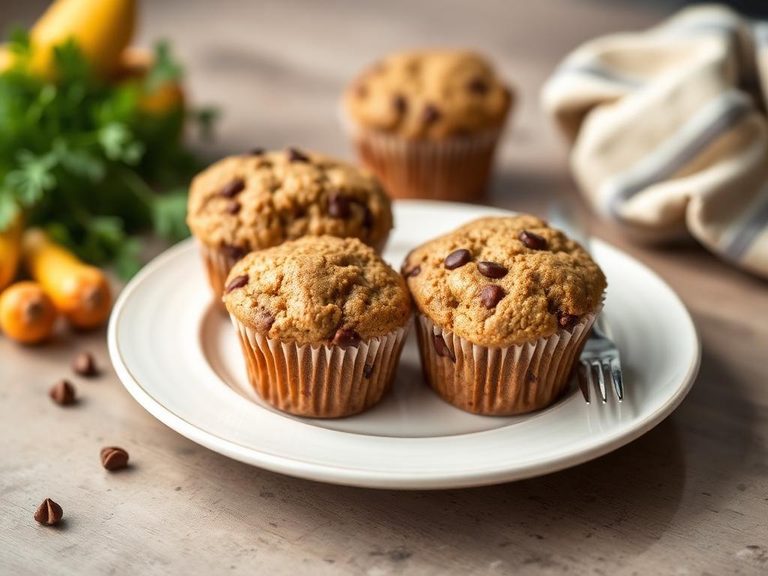
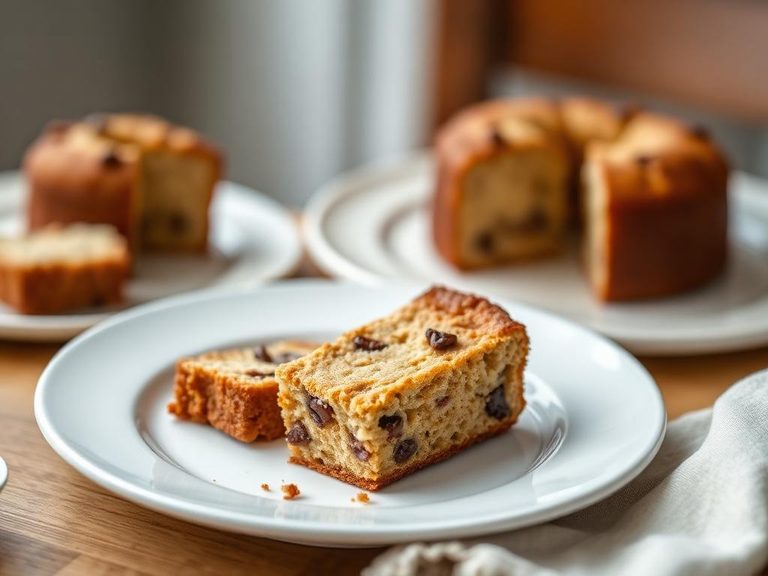
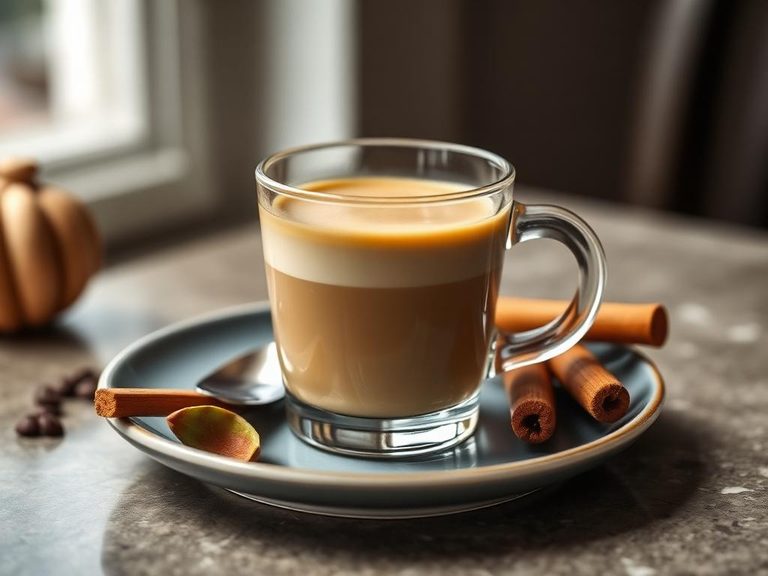
Dairy-free baking substitutes are ingredients used in place of milk, butter, or cream in recipes like muffins, cakes, and cookies to accommodate dietary restrictions or preferences. Common substitutes include plant-based milks (like almond, soy, or oat milk), oils, applesauce, and commercial dairy-free butter spreads. These alternatives originated from the need to provide options for those with lactose intolerance, milk allergies, or vegan lifestyles.
🍽️ Nutrition at a glance
Dairy-free baking substitutes are generally moderate in calories, with a nutritional profile that varies by ingredient; they often provide healthy fats, some carbohydrates, and are typically lower in saturated fat than their dairy counterparts. Key nutrients can include calcium and vitamin D if fortified, along with various vitamins and minerals depending on the plant source used.
Nutrition breakdown
| Calories | 30 kcal |
| Protein | 1 g |
| Carbs | 1 g |
| Fat | 2.5 g |
| Fiber | 0.5 g |
| Sugar | 0 g |
| Sodium | 170 mg |
| Calcium | 450 mg |
| Vitamin D | 2.5 mcg |
| Vitamin E | 6.8 mg |
| Potassium | 180 mg |
| Magnesium | 24 mg |
| Phosphorus | 20 mg |
| Vitamin A | 120 mcg |
| Riboflavin (B2) | 0.2 mg |
Per 1 cup (240 ml) of unsweetened almond milk · estimated, varies by recipe
💡 What's interesting
What's fascinating is how these substitutes have driven innovation in food science, leading to products that closely mimic the functional properties of dairy in baking, such as moisture, richness, and leavening support. Nutritionally, they often offer added benefits like fiber or antioxidants that aren't present in traditional dairy ingredients.