Dairy-Free Salad Dressing
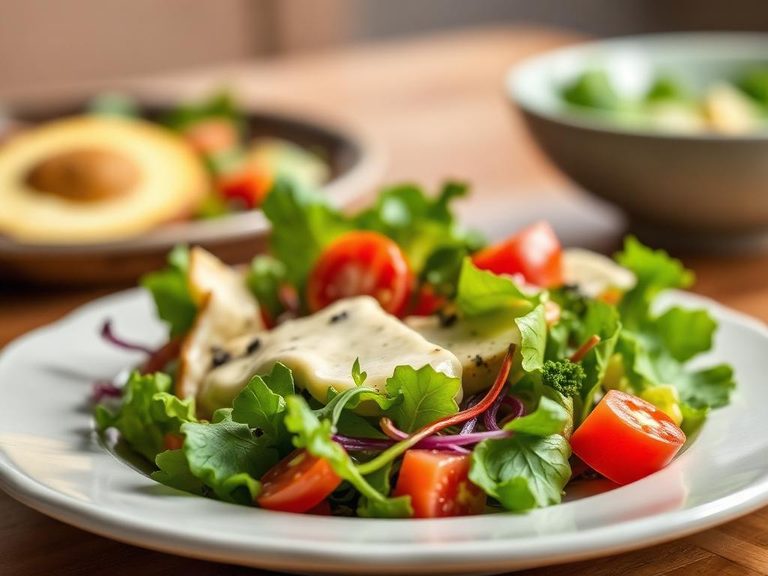
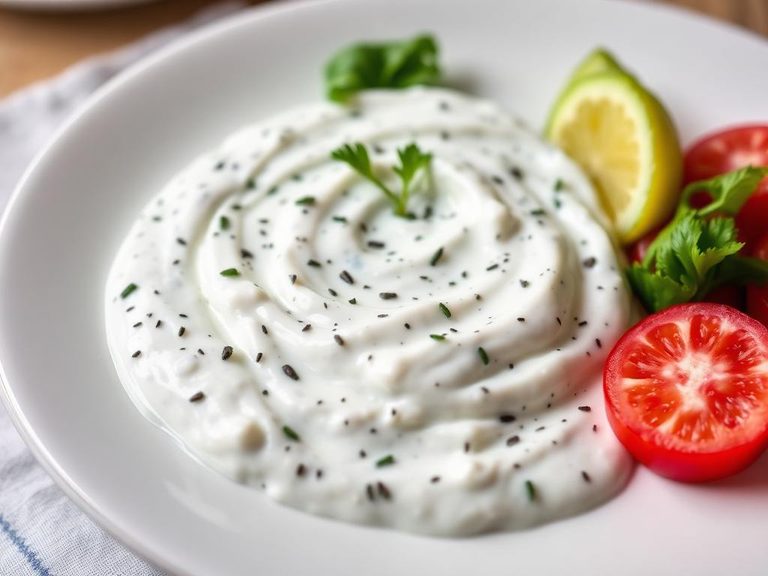
Dairy-free salad dressing is a versatile condiment designed to add flavor and moisture to salads without using any milk-based ingredients like cream, yogurt, or cheese. It typically relies on plant-based oils, vinegar or citrus juice, herbs, and sometimes emulsifiers like mustard or tahini for a creamy texture. While the concept is global, its modern popularity has surged in Western cuisines alongside the rise of vegan and lactose-free diets.
🍽️ Nutrition at a glance
This dressing is generally high in healthy fats from its oil base, which provides a significant portion of its calories, while being very low in carbohydrates and protein. Key nutrients include vitamin E from oils like olive or avocado, and various antioxidants from herbs and spices, with a typical serving containing around 70-120 calories.
Nutrition breakdown
| Calories | 70 kcal |
| Protein | 0 g |
| Carbs | 2 g |
| Fat | 7 g |
| Fiber | 0 g |
| Sugar | 1 g |
| Sodium | 200 mg |
| Vitamin E | 1.2 mg |
| Vitamin K | 15 mcg |
| Iron | 0.2 mg |
| Potassium | 25 mg |
| Sodium | 200 mg |
| Magnesium | 5 mg |
| Phosphorus | 15 mg |
| Manganese | 0.1 mg |
Per 2 tablespoons (30 g) · estimated, varies by recipe
💡 What's interesting
Nutritionally, it's interesting because it often uses clever emulsification techniques (like blending tahini or using mustard) to mimic the creamy mouthfeel of dairy without any animal products. Culturally, it represents a broader culinary shift towards inclusive and plant-forward eating, transforming a simple salad topping into a canvas for global flavors, from tahini-lemon to miso-ginger.