Sugar-Free Sugar Cookies

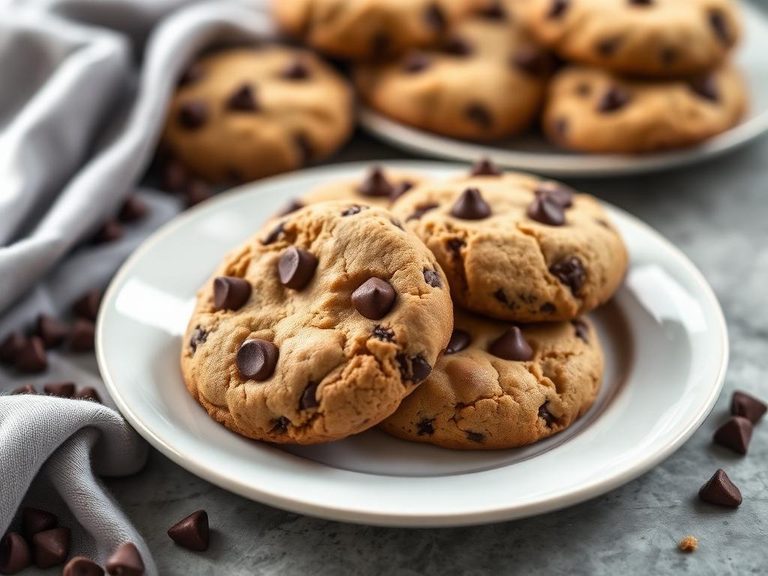
Sugar-free sugar cookies are a modern twist on the classic American holiday treat, designed to mimic the traditional cookie's texture and flavor without using added sugar. They typically use sugar substitutes like erythritol or monk fruit, along with almond flour or coconut flour for a lower-carb base, and are popular in keto and diabetic-friendly diets. Originating from health-conscious baking trends in the United States, they've become a staple for those seeking indulgence without the sugar rush.
🍽️ Nutrition at a glance
These cookies are generally low in carbohydrates and calories compared to traditional versions, with a rough ballpark of 50-80 calories per small cookie depending on the recipe. They provide healthy fats from ingredients like butter or coconut oil and some protein from nut flours, but are low in essential nutrients like fiber or vitamins unless fortified.
Nutrition breakdown
| Calories | 180 kcal |
| Protein | 2 g |
| Carbs | 25 g |
| Fat | 9 g |
| Fiber | 0.5 g |
| Sugar | 0 g |
| Sodium | 120 mg |
| Calcium | 20 mg |
| Iron | 1 mg |
| Potassium | 40 mg |
| Vitamin A | 50 IU |
| Vitamin D | 0.1 mcg |
| Vitamin E | 1 mg |
| Magnesium | 5 mg |
| Phosphorus | 30 mg |
Per 3 cookies (45 g) · estimated, varies by recipe
💡 What's interesting
Culturally, sugar-free sugar cookies represent a growing movement towards inclusive baking, allowing people with diabetes or dietary restrictions to enjoy festive traditions without compromise. Nutritionally, they highlight the innovation of alternative sweeteners that can caramelize and brown similarly to sugar, creating a satisfying treat that aligns with modern wellness goals.