Sugar-free gum
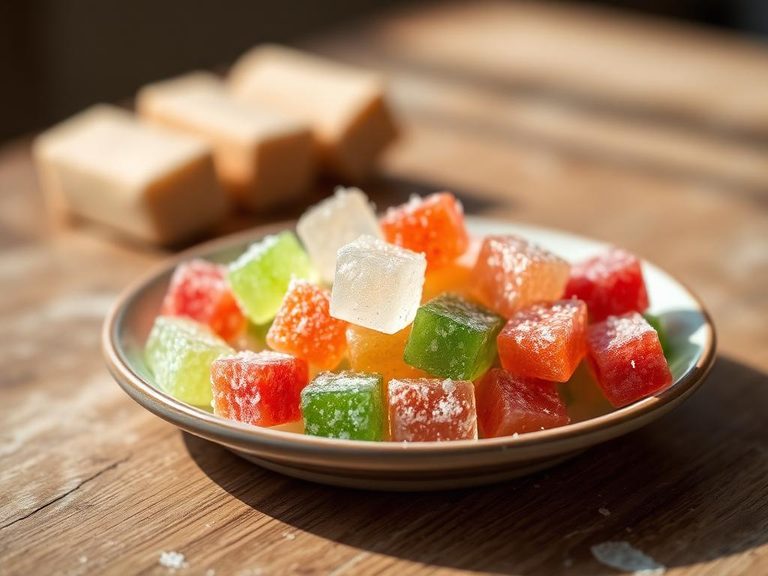
Sugar-free gum is a modern confectionery product designed for chewing without the use of traditional sugars. It typically uses sugar alcohols like xylitol or sorbitol, or artificial sweeteners like aspartame, as the primary sweetening agents, and is often flavored with fruit or mint oils. While gum itself has ancient origins, this specific formulation is a product of 20th-century food science, popularized globally for its dental health benefits.
🍽️ Nutrition at a glance
Sugar-free gum is very low in calories, typically containing less than 5 calories per piece, as the body does not fully metabolize the sugar alcohols. It provides no significant protein, fat, or carbohydrates in a nutritional sense, and its key 'nutrient' is often the sweetener itself, which does not cause tooth decay like sugar.
Nutrition breakdown
| Calories | 5 kcal |
| Protein | 0 g |
| Carbs | 2 g |
| Fat | 0 g |
| Fiber | 0 g |
| Sugar | 0 g |
| Sodium | 0 mg |
| Calcium | 10 mg |
| Potassium | 5 mg |
Per 1 piece (2 g) · estimated, varies by recipe
💡 What's interesting
Culturally, sugar-free gum is a staple in modern oral hygiene routines and is often marketed as a breath-freshening tool. Nutritionally, it is unique because it satisfies a sweet craving while being actively promoted by dentists for its role in stimulating saliva production and preventing cavities.