

Sugar-free candy alternative
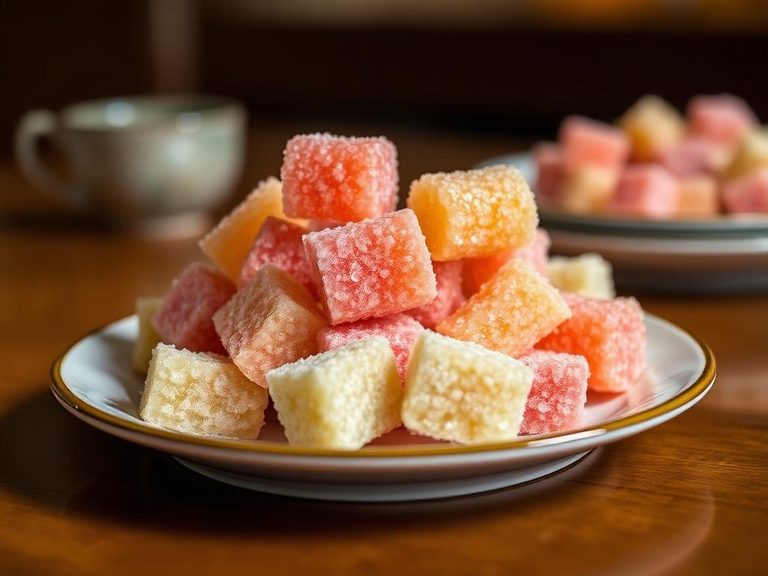
Sugar-free candy alternatives are sweet treats formulated to mimic the taste and texture of traditional candy without using sugar. They typically rely on sugar alcohols like xylitol or erythritol, or natural sweeteners like stevia, and are often made with ingredients like nuts, dark chocolate, or coconut. While the concept has existed for decades, modern versions are a global phenomenon, particularly popular in health-conscious markets like the United States and Europe.
🍳 View the full Sugar-free candy alternative recipe →
🍽️ Nutrition at a glance
These alternatives are generally low in carbohydrates and calories compared to their sugar-laden counterparts, making them suitable for low-carb or ketogenic diets. Key nutrients can include fiber (especially in nut-based versions) and healthy fats, with a typical serving ranging from 20 to 100 calories depending on the base ingredients.
Nutrition breakdown
| Calories | 15 kcal |
| Protein | 0 g |
| Carbs | 4 g |
| Fat | 0 g |
| Fiber | 0 g |
| Sugar | 0 g |
| Sodium | 10 mg |
| Potassium | 5 mg |
| Calcium | 10 mg |
| Iron | 0.1 mg |
| Magnesium | 2 mg |
| Phosphorus | 15 mg |
| Zinc | 0.1 mg |
| Vitamin C | 0 mg |
| Vitamin A | 0 µg |
Per 1 piece (4 g) · estimated, varies by recipe
💡 What's interesting
What makes sugar-free candy unique is its role in managing blood sugar levels, offering a sweet indulgence for people with diabetes or those reducing sugar intake. Culturally, it represents a modern shift towards 'functional indulgence,' where the pleasure of candy is balanced with nutritional awareness.
🍽️ Related dishes







AI estimate may be inaccurate · Terms