

Sweeteners, tabletop, sucralose, SPLENDA packets
Whole food · Sweets

Photo: Wikipedia
Splenda packets are the iconic, paper-thin sachets of sucralose-based sweetener, instantly recognizable for their bright yellow color. The granules dissolve with a subtle, clean sweetness that mimics sugar but carries a faint, lingering chemical aftertaste for some palates. Nutritionally, it's a zero-calorie, zero-fat, zero-protein carbohydrate source, primarily composed of dextrose and maltodextrin as bulking agents.
Calorie split: 0% protein · 100% carbs · 0% fat
↓ Full nutrition💚 Why it's loved
People love it for its ability to deliver sweetness without the caloric guilt, making it a staple for those managing weight or blood sugar. Its versatility shines in everything from morning coffee to baked goods, offering a familiar sugar-like experience in a convenient, portable packet.
⚠️ Watch-outs & how to enjoy it better
Some find the aftertaste metallic or bitter, and the bulking agents (dextrose/maltodextrin) can cause minor digestive upset in sensitive individuals. To counteract this, use it in small quantities, pair it with strong flavors like coffee or citrus, and avoid relying on it as a sole sweetener in delicate recipes.
Key benefits
- Zero calories per serving
- Does not raise blood sugar levels
- Stable under high heat for baking
- Tooth-friendly, does not promote cavities
- Highly soluble in both hot and cold liquids
🍽️ Popular dishes
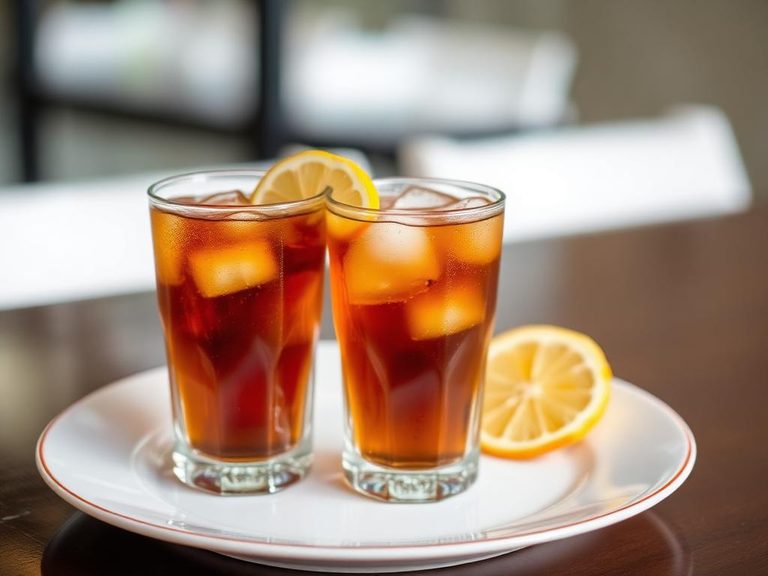

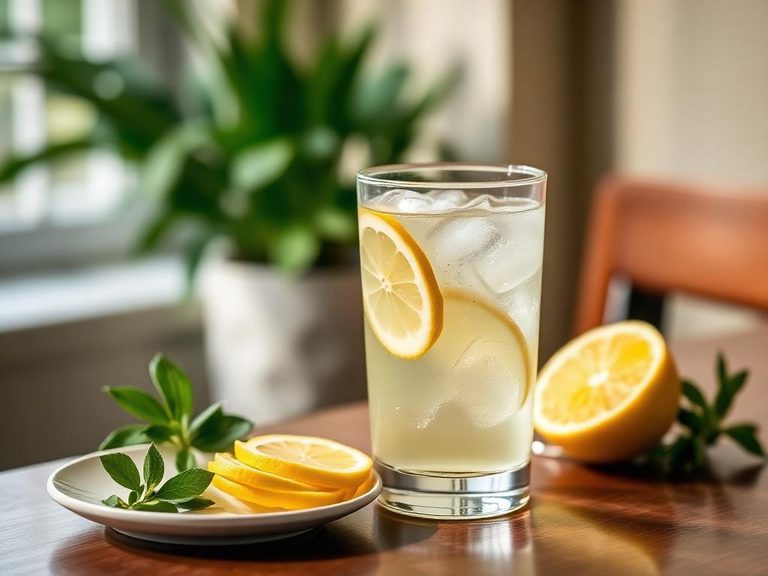
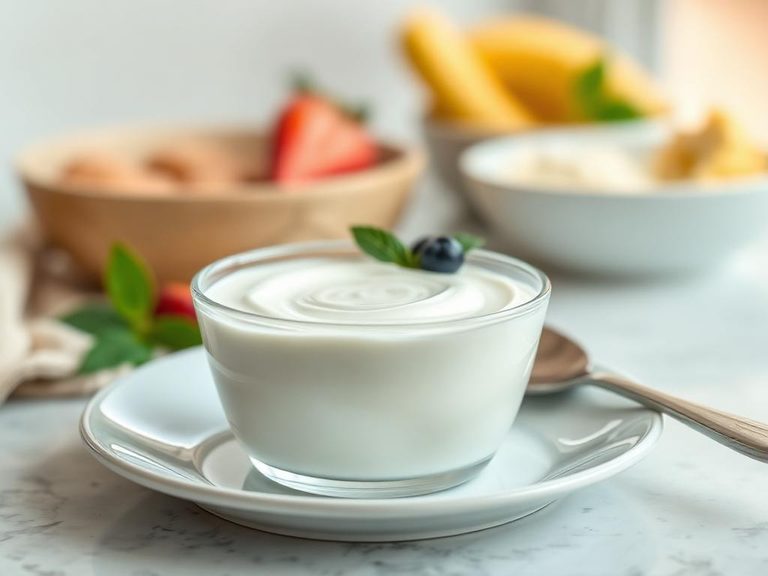
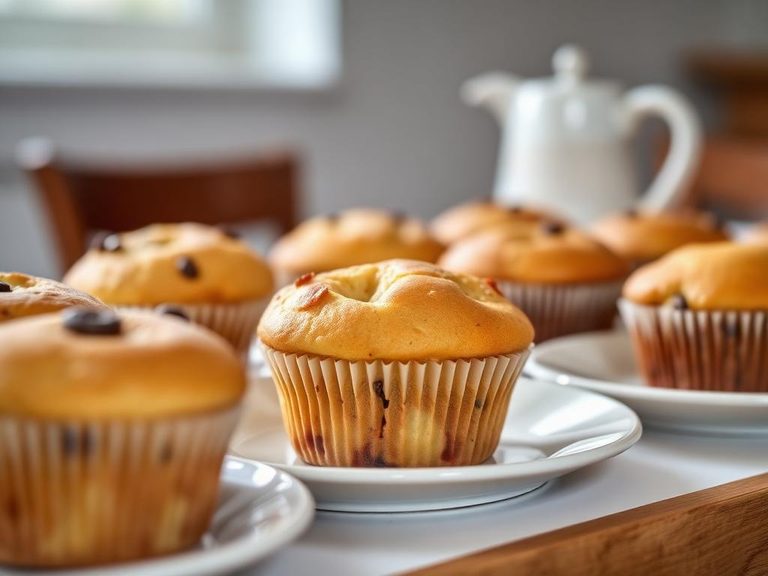
🌍 Where it's eaten
💡 Did you know?
Sucralose is derived from sucrose (table sugar) by replacing three hydroxyl groups with chlorine atoms, making it 600 times sweeter than sugar but indigestible by the body.
Full nutrition (USDA data · scales with serving)
| Water | 8.8 g |
| Energy | 336 kcal |
| Energy | 1404 kj |
| Protein | 0.00 g |
| Total lipid (fat) | 0.00 g |
| Ash | 0.00 g |
| Carbohydrate, by difference | 91.2 g |
| Fiber, total dietary | 0.00 g |
| Total Sugars | 80.3 g |
| Starch | 9.6 g |
| Calcium, Ca | 0.00 mg |
| Iron, Fe | 0.00 mg |
| Magnesium, Mg | 0.00 mg |
| Phosphorus, P | 0.00 mg |
| Potassium, K | 4.0 mg |
| Sodium, Na | 0.00 mg |
| Zinc, Zn | 0.00 mg |
| Copper, Cu | 0.00 mg |
| Manganese, Mn | 0.00 mg |
| Selenium, Se | 0.00 ug |
| Vitamin C, total ascorbic acid | 0.00 mg |
| Thiamin | 0.00 mg |
| Riboflavin | 0.00 mg |
| Niacin | 0.00 mg |
| Pantothenic acid | 0.00 mg |
| Vitamin B-6 | 0.00 mg |
| Folate, total | 0.00 ug |
| Folic acid | 0.00 ug |
| Folate, food | 0.00 ug |
| Folate, DFE | 0.00 ug |
| Choline, total | 0.00 mg |
| Vitamin B-12 | 0.00 ug |
| Vitamin B-12, added | 0.00 ug |
| Vitamin A, RAE | 0.00 ug |
| Retinol | 0.00 ug |
| Carotene, beta | 0.00 ug |
| Carotene, alpha | 0.00 ug |
| Cryptoxanthin, beta | 0.00 ug |
| Vitamin A, IU | 0.00 iu |
| Lycopene | 0.00 ug |
| Lutein + zeaxanthin | 0.00 ug |
| Vitamin E (alpha-tocopherol) | 0.00 mg |
| Vitamin E, added | 0.00 mg |
| Vitamin D (D2 + D3), International Units | 0.00 iu |
| Vitamin D (D2 + D3) | 0.00 ug |
| Vitamin K (phylloquinone) | 0.00 ug |
| Alcohol, ethyl | 0.00 g |
| Caffeine | 0.00 mg |
| Theobromine | 0.00 mg |
Fat & fatty acid profile (per 100g)
| Fatty acids, total saturated | 0.00 g |
| SFA 4:0 | 0.00 g |
| SFA 6:0 | 0.00 g |
| SFA 8:0 | 0.00 g |
| SFA 10:0 | 0.00 g |
| SFA 12:0 | 0.00 g |
| SFA 14:0 | 0.00 g |
| SFA 16:0 | 0.00 g |
| SFA 18:0 | 0.00 g |
| Fatty acids, total monounsaturated | 0.00 g |
| MUFA 16:1 | 0.00 g |
| MUFA 18:1 | 0.00 g |
| MUFA 20:1 | 0.00 g |
| MUFA 22:1 | 0.00 g |
| Fatty acids, total polyunsaturated | 0.00 g |
| PUFA 18:2 | 0.00 g |
| PUFA 18:3 | 0.00 g |
| PUFA 18:4 | 0.00 g |
| PUFA 20:4 | 0.00 g |
| PUFA 20:5 n-3 (EPA) | 0.00 g |
| PUFA 22:5 n-3 (DPA) | 0.00 g |
| PUFA 22:6 n-3 (DHA) | 0.00 g |
| Cholesterol | 0.00 mg |
Amino acid profile (per 100g)
Estimated from Sweeteners, tabletop, aspartame, EQUAL, packets — USDA does not publish this profile for Sweeteners.
| Tryptophan | 0.00 g |
| Threonine | 0.00 g |
| Isoleucine | 0.00 g |
| Leucine | 0.00 g |
| Lysine | 0.00 g |
| Methionine | 0.00 g |
| Cystine | 0.00 g |
| Phenylalanine | 1.2 g |
| Tyrosine | 0.00 g |
| Valine | 0.00 g |
| Arginine | 0.00 g |
| Histidine | 0.00 g |
| Alanine | 0.00 g |
| Aspartic acid | 0.98 g |
| Glutamic acid | 0.00 g |
| Glycine | 0.00 g |
| Proline | 0.00 g |
| Serine | 0.00 g |
FAQ
Is Splenda safe for diabetics?
Yes, Splenda is generally considered safe for diabetics because it does not significantly impact blood glucose or insulin levels. However, it's always best to consult with a healthcare provider for personalized advice.
Can I bake with Splenda packets?
Yes, sucralose is heat-stable and can be used in baking. However, since it lacks the bulk of sugar, recipes may need adjustments (like adding a bulking agent) for proper texture and browning.
How does Splenda compare to other artificial sweeteners?
Splenda (sucralose) is sweeter than aspartame and saccharin, with a cleaner taste profile. Unlike aspartame, it is stable at high temperatures, making it more versatile for cooking and baking.
Nutrient density (calculated · NRF9.3)
Nutrient Rich Foods index: beneficial nutrients (protein, fiber, vitamins, minerals) minus saturated fat, added sugar & sodium, per 100 kcal.
NRF9.3 index — Fulgoni, Keast & Drewnowski, 2009. Computed from USDA nutrients.
Weight-loss friendliness (composite index)
Energy density 3.36 kcal/g · 0% calories from protein · 0.0 g fiber · 80.3 g sugar per 100 g.
Composite of energy density (Rolls et al., 1999), protein & fiber satiety, minus sugar. A calculated heuristic — ranks satiety-per-calorie, not a clinical measure.
Dietary load (calculated from USDA values)
Potential renal acid load. Positive = acid-forming, negative = alkaline-forming.
Sodium-to-potassium ratio: 0.00 (lower is better — aim for ≤ 1)
Sodium:potassium per WHO potassium guidance. Computed from USDA nutrients.