Sweeteners, tabletop, aspartame, EQUAL, packets
Whole food · Sweets

Photo: Wikipedia
Aspartame is a zero-calorie, high-intensity artificial sweetener, about 200 times sweeter than sugar, sold in iconic blue packets like EQUAL. It dissolves instantly, leaving a clean, sweet taste without the gritty texture of some other sweeteners. Nutritionally, it provides sweetness with negligible calories, making it a staple for calorie-conscious consumers.
💚 Why it's loved
People love it for delivering a sugar-like sweetness in coffee, tea, and cereal without the caloric cost, making it a simple tool for weight management. Its convenience and familiarity in diners and homes worldwide have made it a cultural fixture for decades.
⚠️ Watch-outs & how to enjoy it better
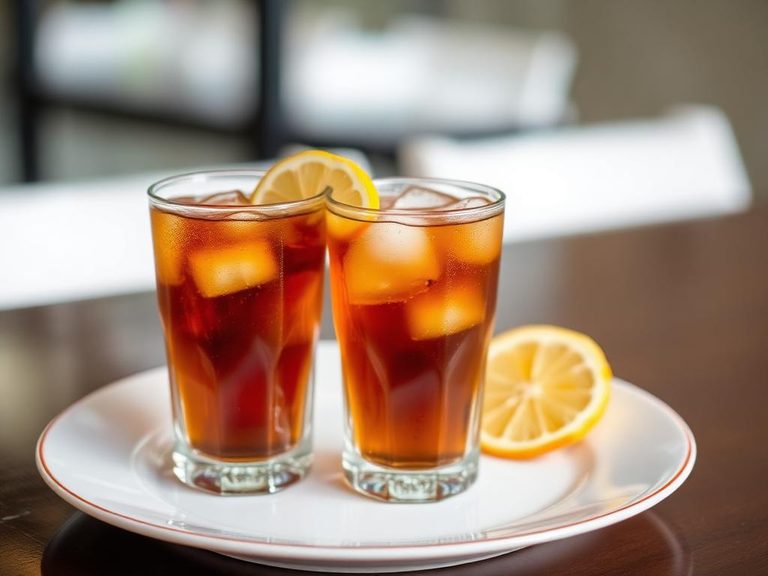
Some individuals report a bitter aftertaste or headaches, and it is not suitable for people with phenylketonuria (PKU) due to its phenylalanine content. To counteract potential aftertaste, try blending it with a small amount of another sweetener or using it in a flavored beverage like iced tea where other tastes can mask it.
Key benefits
- Provides intense sweetness with virtually zero calories
- Does not promote tooth decay like sugar
- Useful for managing carbohydrate and sugar intake
- Stable in dry, powdered form for tabletop use
🍽️ Popular dishes

🌍 Where it's eaten
💡 Did you know?
Aspartame was discovered by accident in 1965 when a chemist at G.D. Searle licked his finger to pick up a piece of paper, noticing the sweet compound he had been working on.
Full nutrition (scales with serving)
| Water | 8.8 g |
| Energy | 365 kcal |
| Energy | 1527 kj |
| Protein | 2.2 g |
| Total lipid (fat) | 0.00 g |
| Ash | 0.00 g |
| Carbohydrate, by difference | 89.1 g |
| Fiber, total dietary | 0.00 g |
| Total Sugars | 80.7 g |
| Starch | 8.4 g |
| Calcium, Ca | 0.00 mg |
| Iron, Fe | 0.04 mg |
| Magnesium, Mg | 0.00 mg |
| Phosphorus, P | 0.00 mg |
| Potassium, K | 4.0 mg |
| Sodium, Na | 0.00 mg |
| Zinc, Zn | 0.01 mg |
| Copper, Cu | 0.00 mg |
| Manganese, Mn | 0.00 mg |
| Selenium, Se | 0.50 ug |
| Vitamin C, total ascorbic acid | 0.00 mg |
| Thiamin | 0.00 mg |
| Riboflavin | 0.00 mg |
| Niacin | 0.00 mg |
| Pantothenic acid | 0.00 mg |
| Vitamin B-6 | 0.00 mg |
| Folate, total | 0.00 ug |
| Folic acid | 0.00 ug |
| Folate, food | 0.00 ug |
| Folate, DFE | 0.00 ug |
| Choline, total | 0.00 mg |
| Vitamin B-12 | 0.00 ug |
| Vitamin B-12, added | 0.00 ug |
| Vitamin A, RAE | 0.00 ug |
| Retinol | 0.00 ug |
| Carotene, beta | 0.00 ug |
| Carotene, alpha | 0.00 ug |
| Cryptoxanthin, beta | 0.00 ug |
| Vitamin A, IU | 0.00 iu |
| Lycopene | 0.00 ug |
| Lutein + zeaxanthin | 0.00 ug |
| Vitamin E (alpha-tocopherol) | 0.00 mg |
| Vitamin E, added | 0.00 mg |
| Vitamin D (D2 + D3), International Units | 0.00 iu |
| Vitamin D (D2 + D3) | 0.00 ug |
| Vitamin K (phylloquinone) | 0.00 ug |
| Alcohol, ethyl | 0.00 g |
| Caffeine | 0.00 mg |
| Theobromine | 0.00 mg |
Fat & fatty acid profile (per 100g)
| Fatty acids, total saturated | 0.00 g |
| SFA 4:0 | 0.00 g |
| SFA 6:0 | 0.00 g |
| SFA 8:0 | 0.00 g |
| SFA 10:0 | 0.00 g |
| SFA 12:0 | 0.00 g |
| SFA 14:0 | 0.00 g |
| SFA 16:0 | 0.00 g |
| SFA 18:0 | 0.00 g |
| Fatty acids, total monounsaturated | 0.00 g |
| MUFA 16:1 | 0.00 g |
| MUFA 18:1 | 0.00 g |
| MUFA 20:1 | 0.00 g |
| MUFA 22:1 | 0.00 g |
| Fatty acids, total polyunsaturated | 0.00 g |
| PUFA 18:2 | 0.00 g |
| PUFA 18:3 | 0.00 g |
| PUFA 18:4 | 0.00 g |
| PUFA 20:4 | 0.00 g |
| PUFA 20:5 n-3 (EPA) | 0.00 g |
| PUFA 22:5 n-3 (DPA) | 0.00 g |
| PUFA 22:6 n-3 (DHA) | 0.00 g |
| Cholesterol | 0.00 mg |
Amino acid profile (per 100g)
| Tryptophan | 0.00 g |
| Threonine | 0.00 g |
| Isoleucine | 0.00 g |
| Leucine | 0.00 g |
| Lysine | 0.00 g |
| Methionine | 0.00 g |
| Cystine | 0.00 g |
| Phenylalanine | 1.2 g |
| Tyrosine | 0.00 g |
| Valine | 0.00 g |
| Arginine | 0.00 g |
| Histidine | 0.00 g |
| Alanine | 0.00 g |
| Aspartic acid | 0.98 g |
| Glutamic acid | 0.00 g |
| Glycine | 0.00 g |
| Proline | 0.00 g |
| Serine | 0.00 g |
FAQ
Is aspartame safe to consume?
Major food safety authorities, including the FDA and EFSA, have approved aspartame and consider it safe for the general population within established acceptable daily intake limits.
Does aspartame break down when heated?
Aspartame can lose sweetness when exposed to high heat for extended periods, making it less ideal for baking but fine for most cooking and perfect for adding to hot drinks after preparation.
Why is there a warning about phenylketonuria (PKU) on the label?
Aspartame contains phenylalanine, an amino acid that people with the rare genetic disorder PKU cannot metabolize, so they must avoid it.