Low-sugar baking and dessert sauces
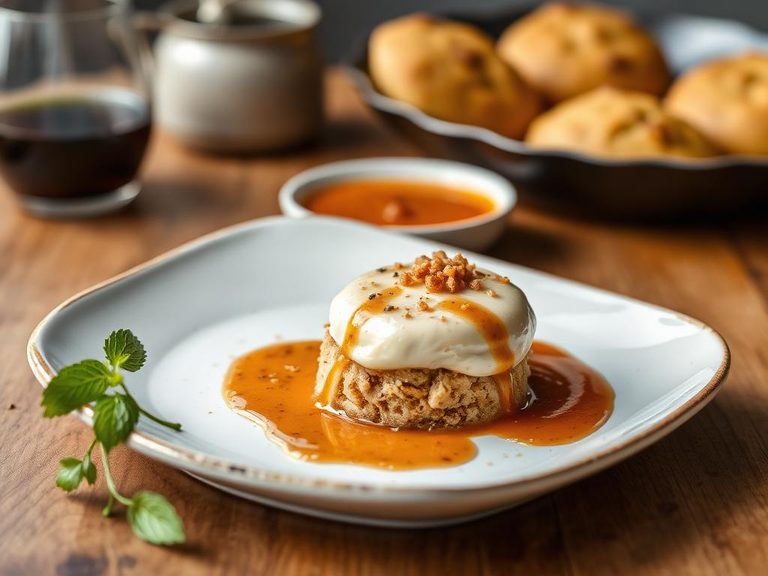
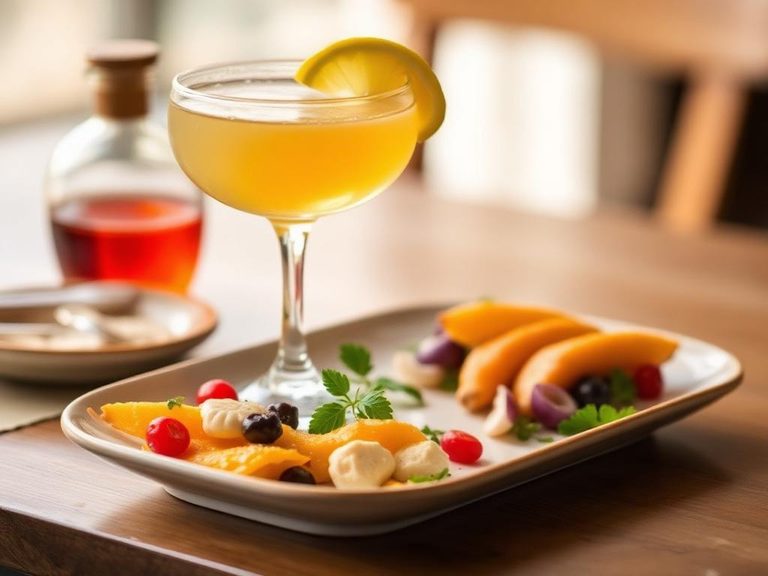
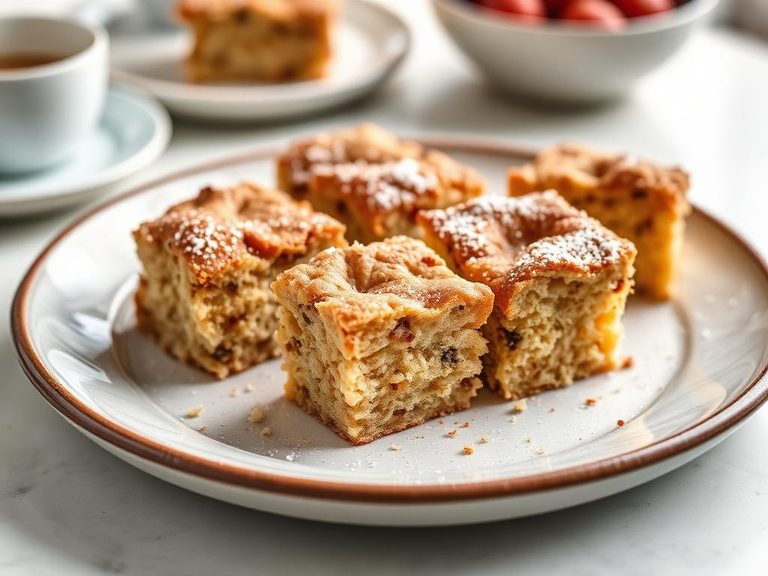
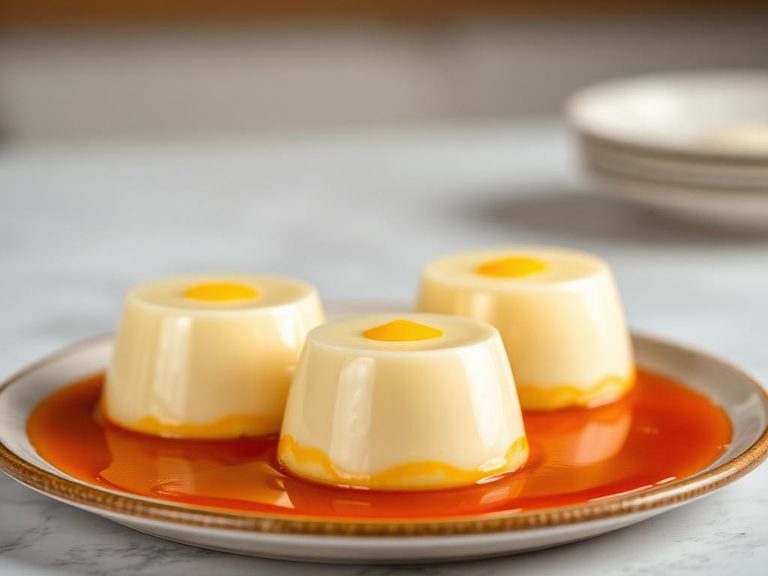
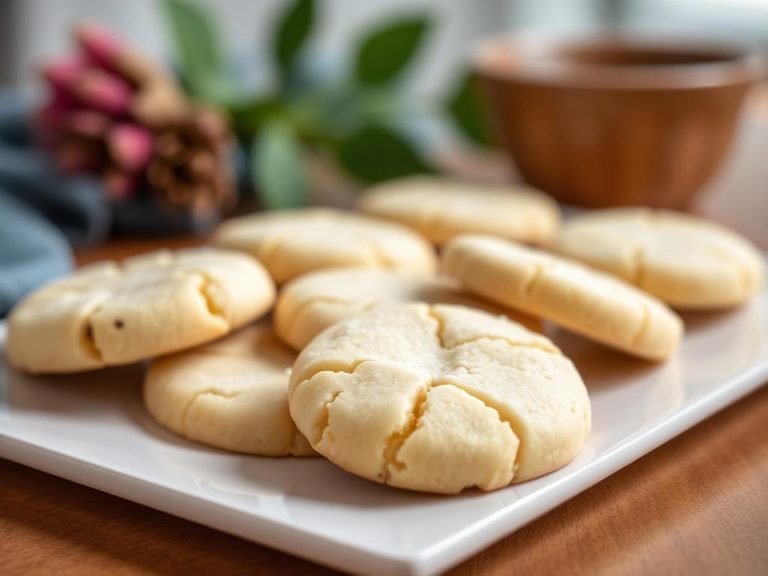
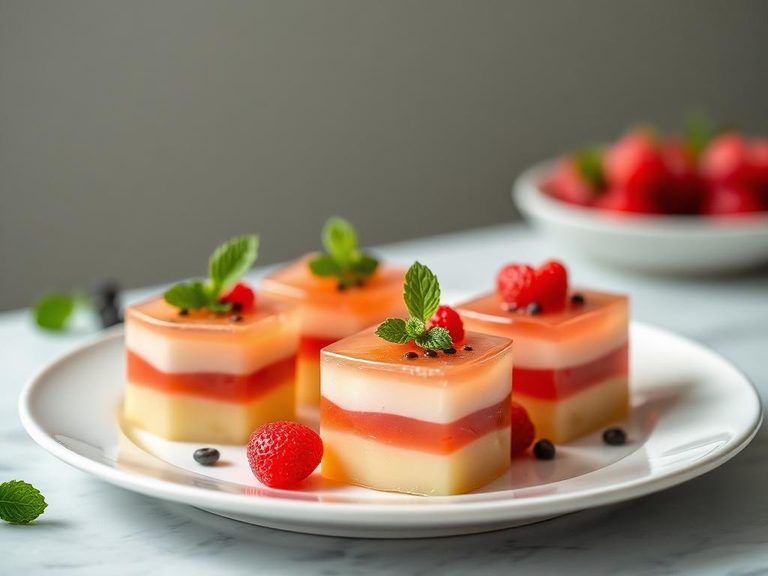
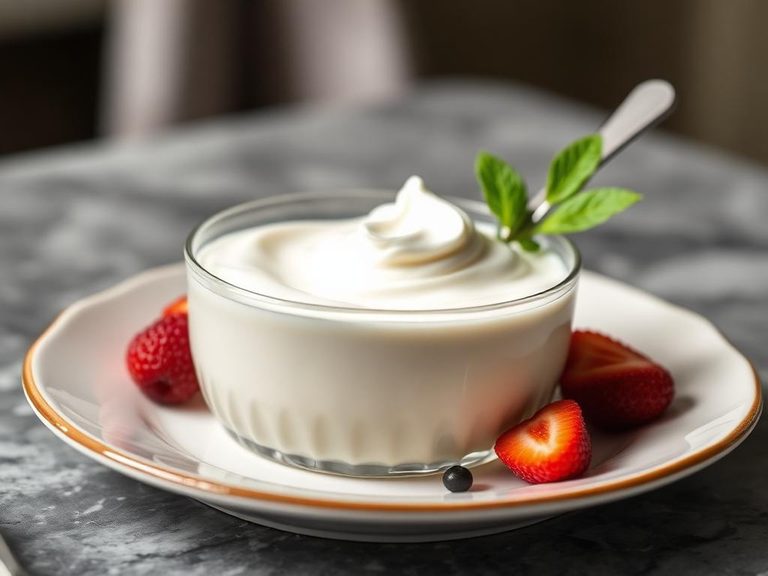
Low-sugar baking and dessert sauces are versatile, sweetened condiments designed for use in baking or as toppings for desserts like pancakes, ice cream, or yogurt. They typically use alternative sweeteners such as stevia, erythritol, or monk fruit instead of refined sugar, combined with ingredients like vanilla, cocoa, fruit purées, or spices. While originating from modern health-conscious cooking trends in Western countries, they are now popular globally in low-carb and diabetic-friendly cuisines.
🍽️ Nutrition at a glance
These sauces are generally low in carbohydrates and sugar, with minimal fat and protein, making them suitable for low-sugar or ketogenic diets. They provide key nutrients like potassium and small amounts of vitamins from fruit-based ingredients, with a rough calorie range of 20-50 kcal per serving depending on the recipe.
Nutrition breakdown
| Calories | 35 kcal |
| Protein | 0.5 g |
| Carbs | 5 g |
| Fat | 0.2 g |
| Fiber | 1.5 g |
| Sugar | 1 g |
| Sodium | 15 mg |
| Potassium | 80 mg |
| Vitamin C | 2 mg |
| Calcium | 10 mg |
| Iron | 0.3 mg |
| Magnesium | 5 mg |
| Vitamin A | 15 IU |
| Phosphorus | 12 mg |
| Zinc | 0.1 mg |
Per 2 tablespoons (30 g) · estimated, varies by recipe
💡 What's interesting
Culturally, they reflect a growing shift towards healthier indulgences, often used in festive or everyday desserts without the blood sugar spikes of traditional sauces. Nutritionally, they can be enriched with fiber from natural sources, supporting digestive health while satisfying sweet cravings.