Gluten-free baking
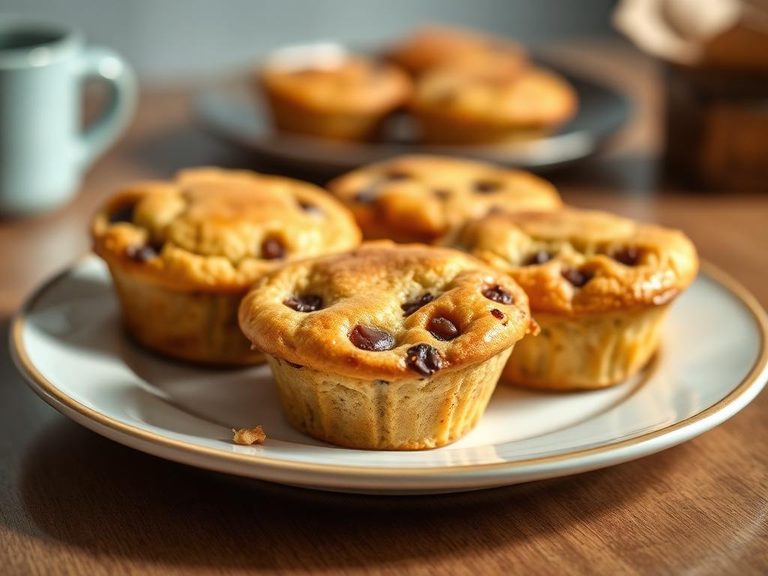
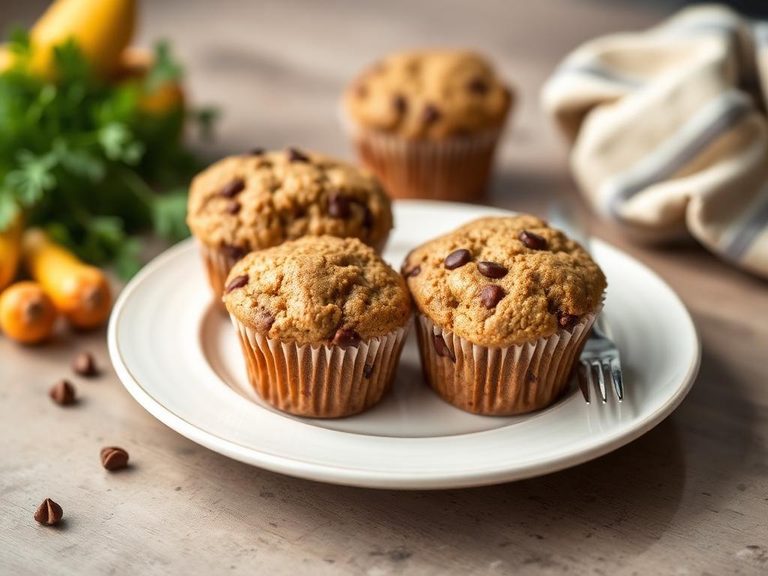
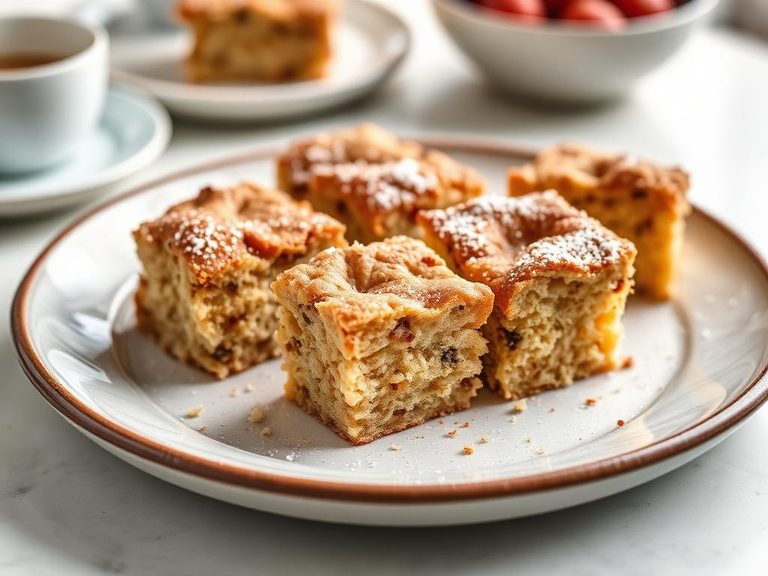
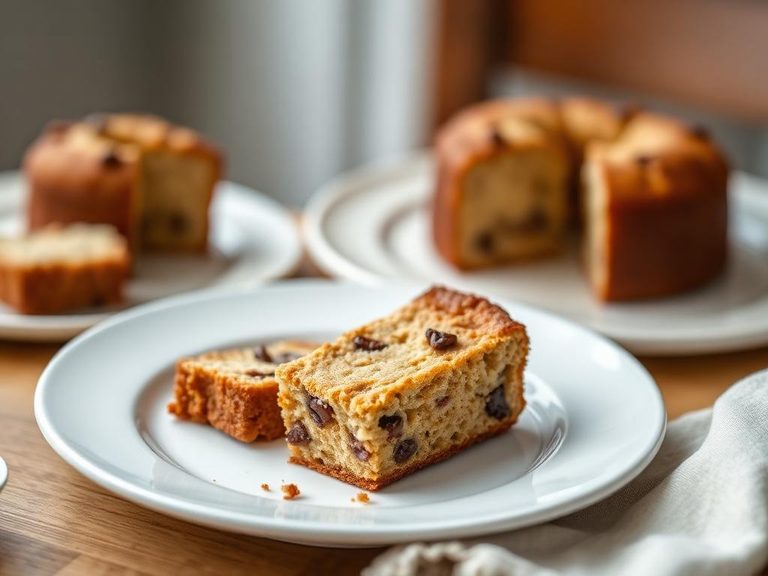
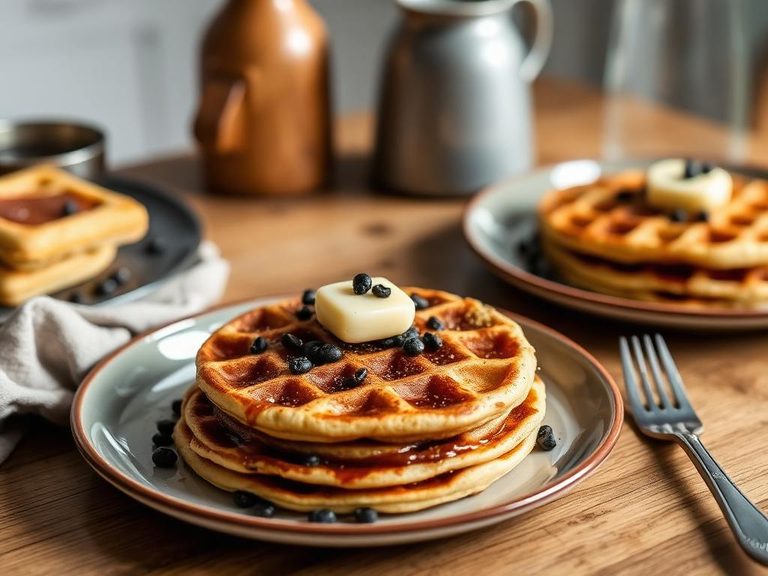
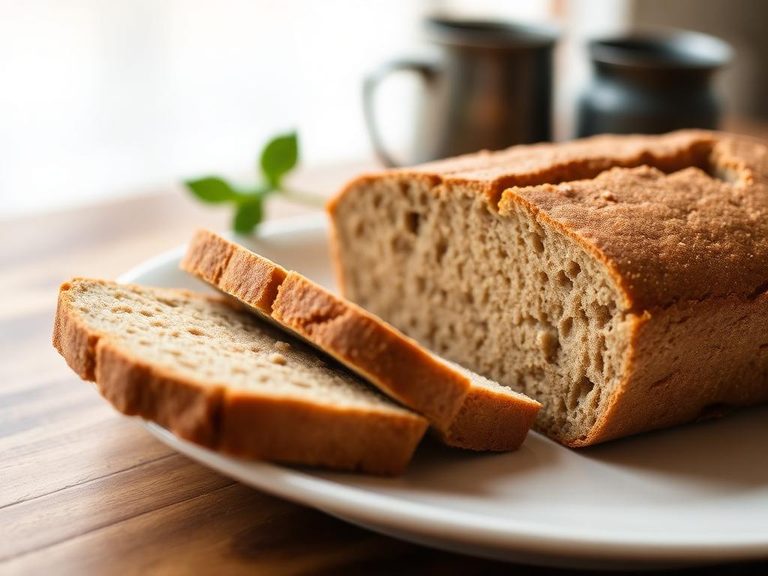
Gluten-free baking for muffins and pancakes is a modern adaptation of classic breakfast and snack items, designed to exclude wheat, barley, and rye. It relies on alternative flours like almond, oat (certified gluten-free), or rice flour, often combined with binders like xanthan gum or psyllium husk to mimic the structure of gluten. These recipes have become increasingly popular worldwide, particularly in North America and Europe, as part of a broader movement towards inclusive dietary options.
🍽️ Nutrition at a glance
These baked goods are typically moderate in carbohydrates, with the fat and protein content varying significantly based on the primary flour used (e.g., almond flour is higher in fat and protein than rice flour). They provide key nutrients like magnesium and vitamin E from nut flours, or iron and B vitamins if made with fortified gluten-free blends, with a rough calorie range of 180-250 kcal per serving.
Nutrition breakdown
| Calories | 220 kcal |
| Protein | 5 g |
| Carbs | 30 g |
| Fat | 9 g |
| Fiber | 3 g |
| Sugar | 8 g |
| Sodium | 280 mg |
| Magnesium | 40 mg |
| Iron | 1.8 mg |
| Vitamin E | 2.5 mg |
| Phosphorus | 95 mg |
| Selenium | 6 mcg |
| Folate | 30 mcg |
| Manganese | 0.4 mg |
| Copper | 0.2 mg |
Per 1 medium muffin (113 g) or 2 pancakes (140 g) · estimated, varies by recipe
💡 What's interesting
Culturally, gluten-free baking has evolved from a medical necessity for those with celiac disease into a mainstream culinary trend, driving innovation in food science and home baking. Nutritionally, it often results in a product with a different glycemic impact and can be higher in fiber and healthy fats compared to traditional wheat-based versions.