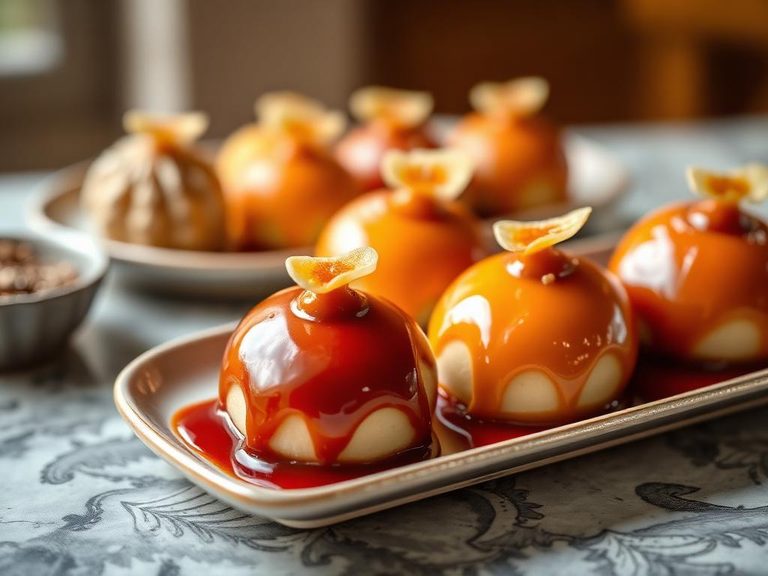
Commercial bakery glazes
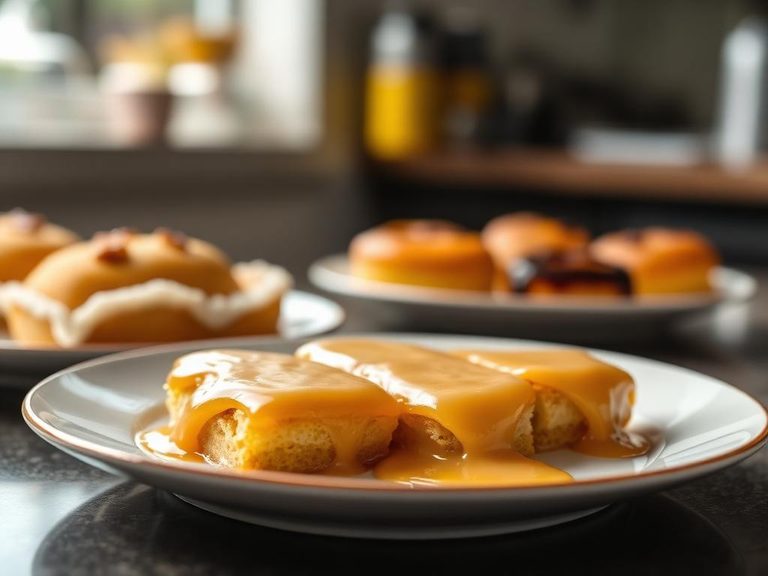
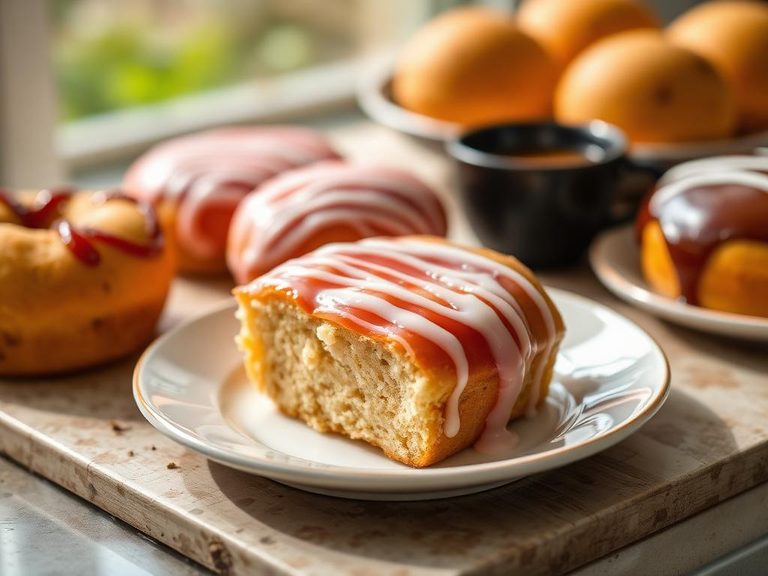
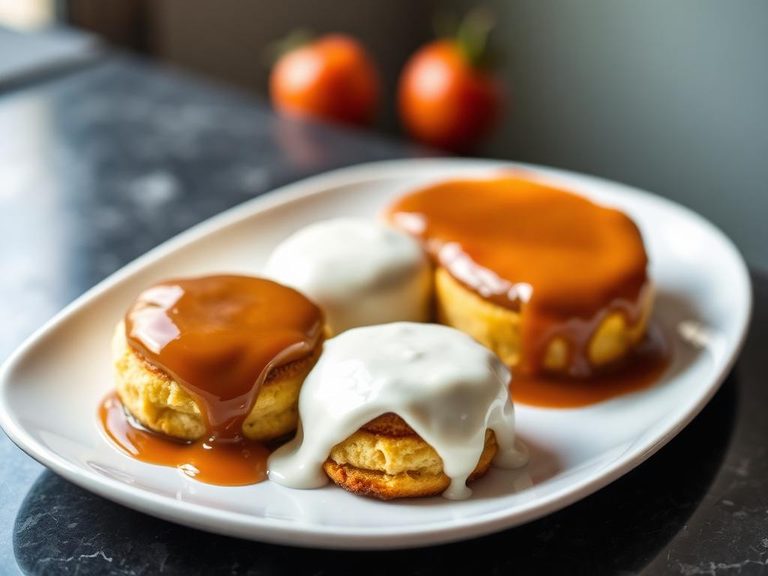
Commercial bakery glazes are thin, sweet coatings applied to pastries, donuts, and other baked goods to add shine, sweetness, and a smooth texture. They are typically made from a simple base of powdered sugar, water or milk, and sometimes corn syrup or vanilla, and are a staple in industrial and retail bakeries worldwide.
🍽️ Nutrition at a glance
These glazes are almost entirely simple carbohydrates, providing a quick energy boost with negligible protein, fat, or fiber. A typical serving contains around 100-150 calories, primarily from sugar.
Nutrition breakdown
| Calories | 80 kcal |
| Protein | 0 g |
| Carbs | 20 g |
| Fat | 0 g |
| Fiber | 0 g |
| Sugar | 19 g |
| Sodium | 5 mg |
| Iron | 0.1 mg |
Per 1 tablespoon (20 g) · estimated, varies by recipe
💡 What's interesting
The primary function of a commercial glaze is aesthetic, creating the signature glossy finish on products like glazed donuts, which is a key sensory cue for sweetness and freshness in many cultures.