Bakery glazes and icings
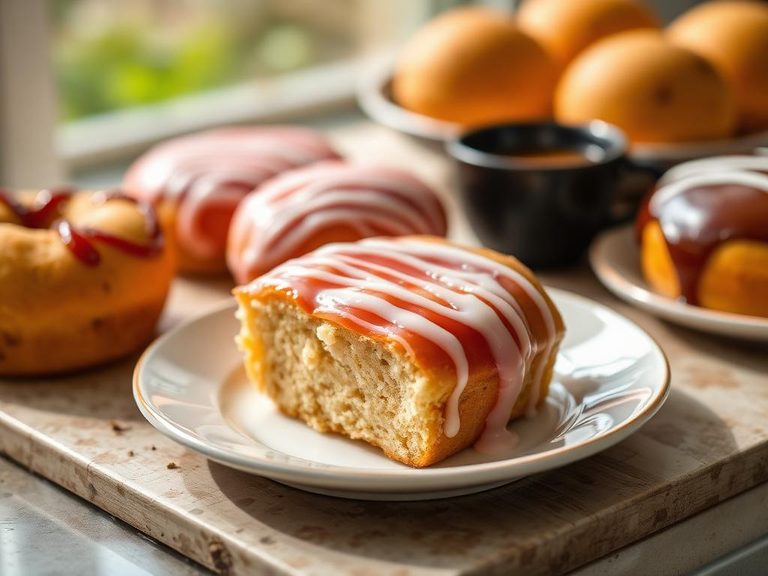
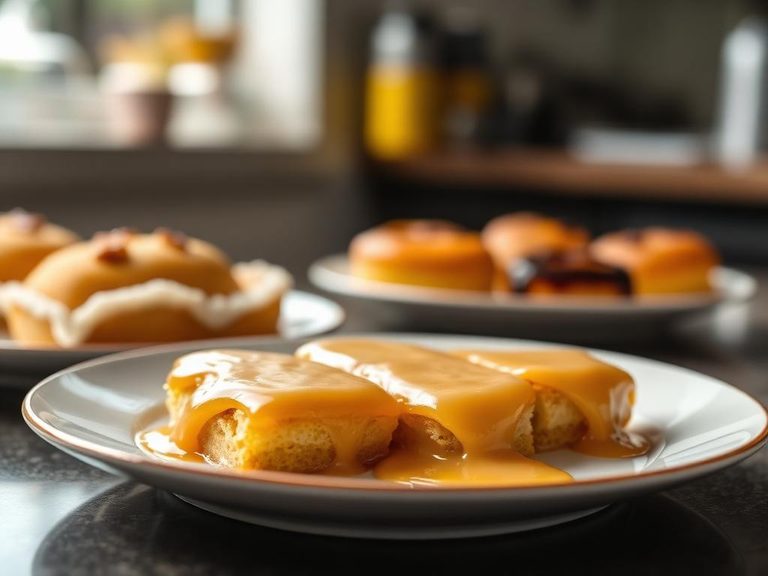
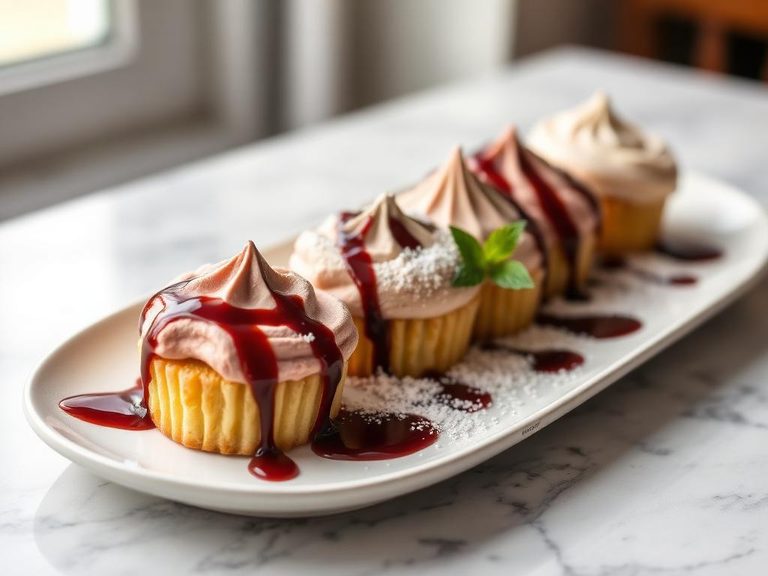
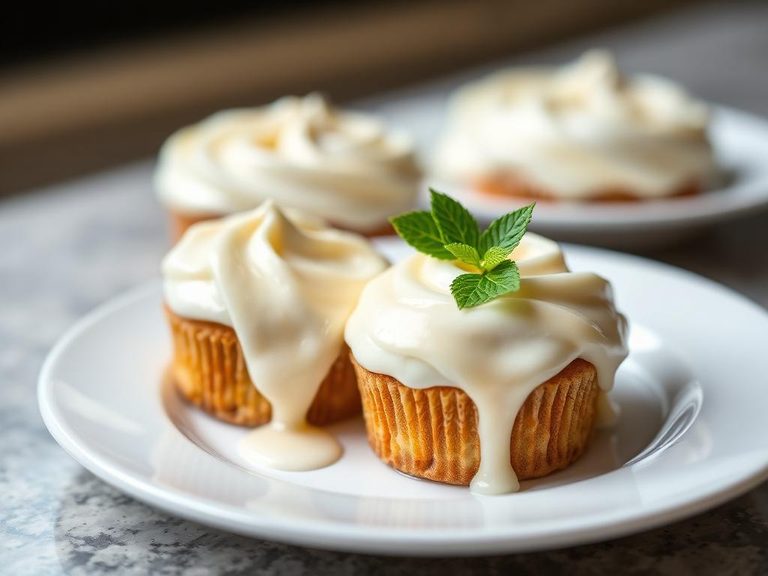
Bakery glazes and icings are sweet, decorative toppings used to enhance the flavor, appearance, and moisture of baked goods like cakes, donuts, and pastries. They are typically made from simple ingredients like powdered sugar, milk or cream, butter, and flavorings such as vanilla or cocoa. Originating from European baking traditions, they are now a universal staple in bakeries worldwide.
🍽️ Nutrition at a glance
These toppings are extremely high in carbohydrates, primarily from sugar, and contain significant fat if made with butter or cream. They provide quick energy but minimal essential nutrients, with a typical serving containing around 100-150 calories.
Nutrition breakdown
| Calories | 120 kcal |
| Protein | 0.2 g |
| Carbs | 22 g |
| Fat | 3.5 g |
| Fiber | 0 g |
| Sugar | 21 g |
| Sodium | 10 mg |
| Calcium | 10 mg |
| Iron | 0.1 mg |
| Potassium | 15 mg |
Per 2 tablespoons (30 g) · estimated, varies by recipe
💡 What's interesting
Culturally, the style of glaze or icing can define a baked good—think the iconic white icing on a Boston cream donut or the glossy fondant on a wedding cake. Nutritionally, they are a prime example of 'empty calories,' offering energy without substantial vitamins, minerals, or fiber.