

Cheese, parmesan, grated
Whole food · Dairy and Egg Products
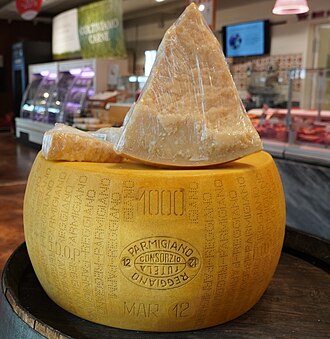
Photo: Wikipedia
Grated Parmesan is the dry, granular form of Italy's king of hard cheeses, aged for months to develop a deeply savory, nutty, and complex umami flavor. Its texture is powdery yet slightly moist, designed to dissolve beautifully into dishes or provide a salty, crystalline crunch when sprinkled on top. Nutritionally, it's a powerhouse of protein and fat, with a surprisingly high calorie density for its volume.
Calorie split: 27% protein · 13% carbs · 60% fat
↓ Full nutrition💚 Why it's loved
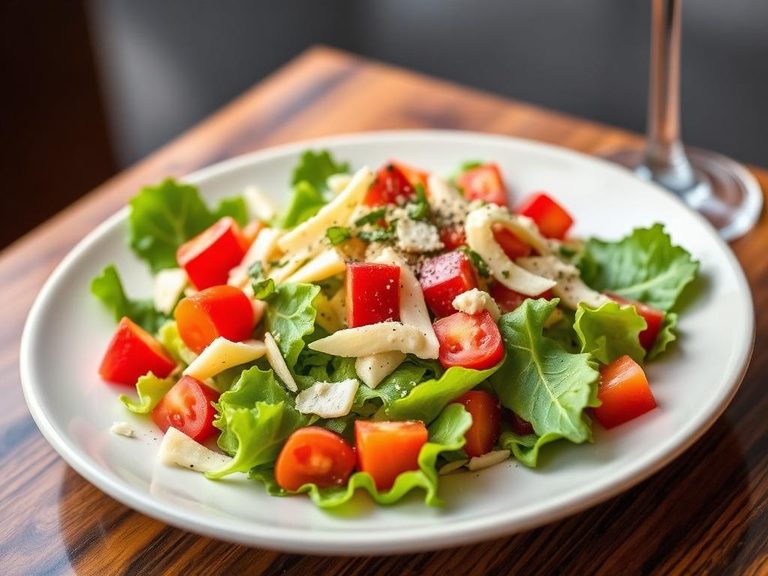
People adore it for its unparalleled ability to add a profound, salty, and savory depth to pasta, soups, and salads. Its convenience as a pre-grated topping makes it a universal flavor enhancer in home kitchens and restaurants alike.
⚠️ Watch-outs & how to enjoy it better
Its very high sodium content can be a concern for those monitoring blood pressure, and its dense calorie load can add up quickly. For individuals with dairy allergies or severe lactose intolerance, it's off-limits. To mitigate sodium, use it as a finishing salt rather than a main seasoning, and pair it with potassium-rich foods like leafy greens or tomatoes.
Key benefits
- Excellent source of complete protein (28g per 100g)
- Rich in calcium for bone health
- Contains vitamin K2, important for calcium metabolism
- High in conjugated linoleic acid (CLA), a beneficial fatty acid
- Naturally low in lactose due to long aging
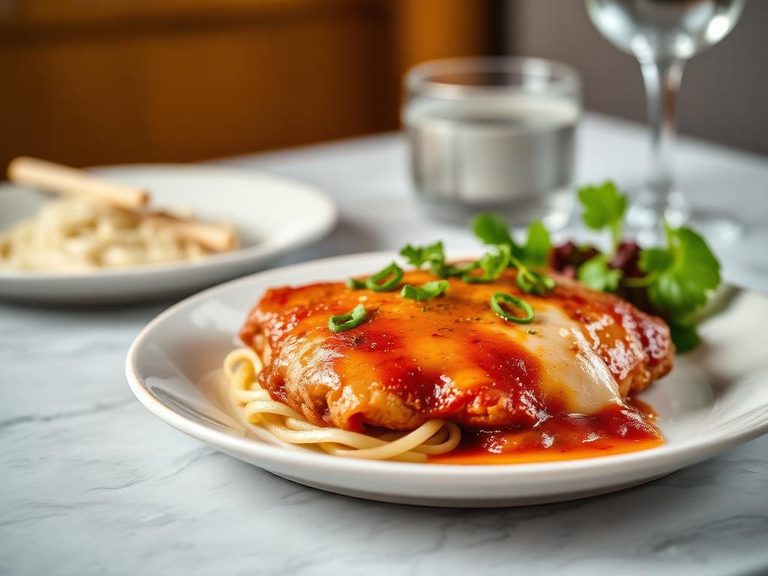
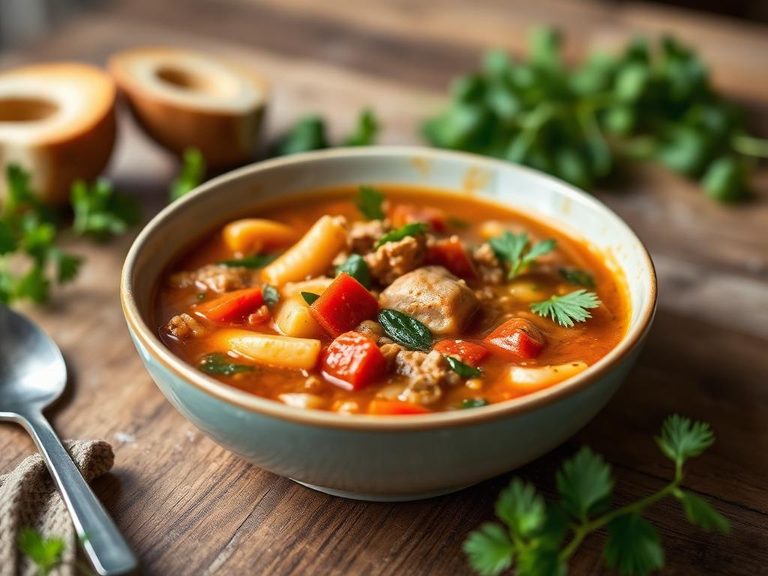
🍽️ Popular dishes
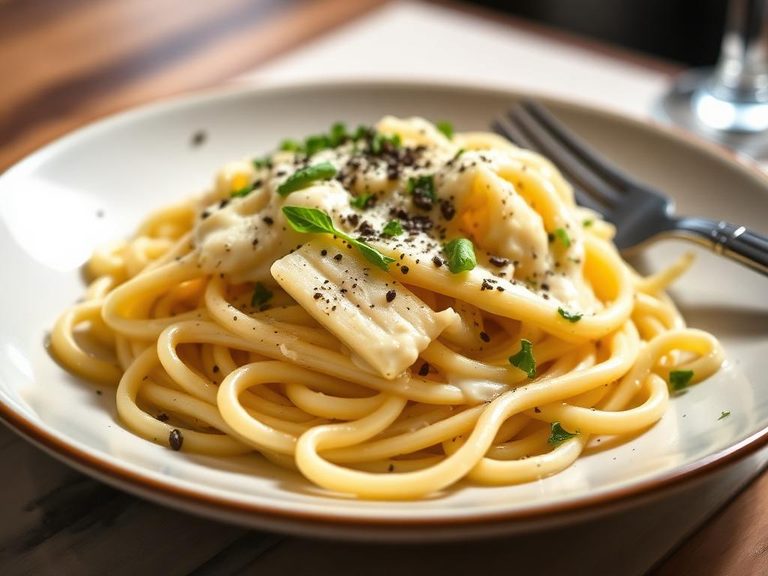
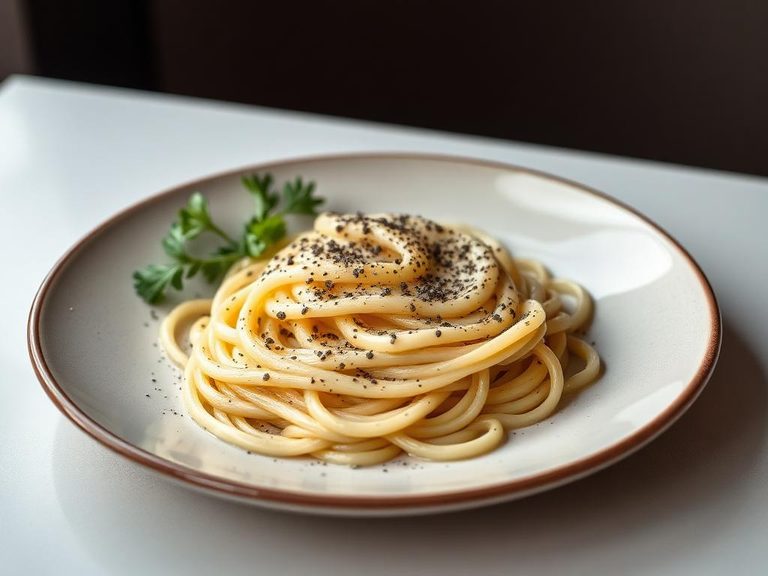
🌍 Where it's eaten
💡 Did you know?
Authentic Parmigiano-Reggiano has a 'Consortium' seal and its rind is edible, often used to add flavor to soups and broths.
Full nutrition (USDA data · scales with serving)
| Water | 22.6 g |
| Energy | 420 kcal |
| Energy | 1757 kj |
| Protein | 28.4 g |
| Total lipid (fat) | 27.8 g |
| Ash | 7.2 g |
| Carbohydrate, by difference | 13.9 g |
| Fiber, total dietary | 0.00 g |
| Total Sugars | 0.07 g |
| Sucrose | 0.00 g |
| Glucose | 0.00 g |
| Fructose | 0.00 g |
| Lactose | 0.00 g |
| Maltose | 0.00 g |
| Galactose | 0.07 g |
| Calcium, Ca | 853 mg |
| Iron, Fe | 0.49 mg |
| Magnesium, Mg | 34.0 mg |
| Phosphorus, P | 627 mg |
| Potassium, K | 180 mg |
| Sodium, Na | 1804 mg |
| Zinc, Zn | 4.2 mg |
| Copper, Cu | 0.04 mg |
| Manganese, Mn | 0.07 mg |
| Selenium, Se | 34.4 ug |
| Vitamin C, total ascorbic acid | 0.00 mg |
| Thiamin | 0.03 mg |
| Riboflavin | 0.36 mg |
| Niacin | 0.08 mg |
| Pantothenic acid | 0.45 mg |
| Vitamin B-6 | 0.08 mg |
| Folate, total | 6.0 ug |
| Folic acid | 0.00 ug |
| Folate, food | 6.0 ug |
| Folate, DFE | 6.0 ug |
| Choline, total | 14.1 mg |
| Betaine | 0.20 mg |
| Vitamin B-12 | 1.4 ug |
| Vitamin B-12, added | 0.00 ug |
| Vitamin A, RAE | 262 ug |
| Retinol | 255 ug |
| Carotene, beta | 73.0 ug |
| Carotene, alpha | 0.00 ug |
| Cryptoxanthin, beta | 0.00 ug |
| Vitamin A, IU | 974 iu |
| Lycopene | 0.00 ug |
| Lutein + zeaxanthin | 0.00 ug |
| Vitamin E (alpha-tocopherol) | 0.53 mg |
| Vitamin E, added | 0.00 mg |
| Tocopherol, beta | 0.00 mg |
| Tocopherol, gamma | 0.01 mg |
| Tocopherol, delta | 0.00 mg |
| Tocotrienol, alpha | 0.00 mg |
| Tocotrienol, beta | 0.00 mg |
| Tocotrienol, gamma | 0.00 mg |
| Tocotrienol, delta | 0.00 mg |
| Vitamin D (D2 + D3), International Units | 21.0 iu |
| Vitamin D (D2 + D3) | 0.50 ug |
| Vitamin D3 (cholecalciferol) | 0.50 ug |
| Vitamin K (phylloquinone) | 1.7 ug |
| Vitamin K (Dihydrophylloquinone) | 0.00 ug |
| Vitamin K (Menaquinone-4) | 7.1 ug |
| Alcohol, ethyl | 0.00 g |
| Caffeine | 0.00 mg |
| Theobromine | 0.00 mg |
Fat & fatty acid profile (per 100g)
| Fatty acids, total saturated | 15.4 g |
| SFA 4:0 | 0.49 g |
| SFA 6:0 | 0.42 g |
| SFA 8:0 | 0.27 g |
| SFA 10:0 | 0.63 g |
| SFA 12:0 | 0.73 g |
| SFA 14:0 | 2.3 g |
| SFA 15:0 | 0.24 g |
| SFA 16:0 | 7.5 g |
| SFA 17:0 | 0.15 g |
| SFA 18:0 | 2.6 g |
| SFA 20:0 | 0.05 g |
| SFA 22:0 | 0.01 g |
| SFA 24:0 | 0.01 g |
| Fatty acids, total monounsaturated | 7.1 g |
| MUFA 14:1 | 0.23 g |
| MUFA 15:1 | 0.00 g |
| MUFA 16:1 | 0.36 g |
| MUFA 16:1 c | 0.29 g |
| MUFA 17:1 | 0.04 g |
| MUFA 18:1 | 6.4 g |
| MUFA 18:1 c | 5.8 g |
| MUFA 20:1 | 0.05 g |
| MUFA 22:1 | 0.00 g |
| MUFA 22:1 c | 0.00 g |
| MUFA 24:1 c | 0.00 g |
| Fatty acids, total polyunsaturated | 1.4 g |
| PUFA 18:2 | 1.2 g |
| PUFA 18:2 n-6 c,c | 0.87 g |
| PUFA 18:2 CLAs | 0.14 g |
| PUFA 18:3 | 0.11 g |
| PUFA 18:3 n-3 c,c,c (ALA) | 0.10 g |
| PUFA 18:3 n-6 c,c,c | 0.00 g |
| PUFA 18:3i | 0.00 g |
| PUFA 18:4 | 0.00 g |
| PUFA 20:2 n-6 c,c | 0.01 g |
| PUFA 20:3 | 0.03 g |
| PUFA 20:3 n-3 | 0.00 g |
| PUFA 20:3 n-6 | 0.03 g |
| PUFA 20:4 | 0.04 g |
| PUFA 20:5 n-3 (EPA) | 0.00 g |
| PUFA 22:4 | 0.01 g |
| PUFA 22:5 n-3 (DPA) | 0.01 g |
| PUFA 22:6 n-3 (DHA) | 0.00 g |
| Fatty acids, total trans | 0.88 g |
| Fatty acids, total trans-monoenoic | 0.70 g |
| TFA 16:1 t | 0.08 g |
| TFA 18:1 t | 0.63 g |
| TFA 22:1 t | 0.00 g |
| TFA 18:2 t not further defined | 0.17 g |
| Fatty acids, total trans-polyenoic | 0.17 g |
| Cholesterol | 86.0 mg |
Amino acid profile (per 100g)
| Tryptophan | 0.38 g |
| Threonine | 1.1 g |
| Isoleucine | 1.5 g |
| Leucine | 2.7 g |
| Lysine | 2.2 g |
| Methionine | 0.75 g |
| Cystine | 0.09 g |
| Phenylalanine | 1.5 g |
| Tyrosine | 1.7 g |
| Valine | 1.9 g |
| Arginine | 1.2 g |
| Histidine | 0.81 g |
| Alanine | 0.86 g |
| Aspartic acid | 2.0 g |
| Glutamic acid | 6.4 g |
| Glycine | 0.56 g |
| Proline | 3.4 g |
| Serine | 1.7 g |
FAQ
Is grated Parmesan the same as Parmigiano-Reggiano?
Not always. 'Parmesan' is a generic term, while 'Parmigiano-Reggiano' is a protected designation of origin (PDO) for cheese made in specific Italian regions under strict rules. Pre-grated bags may contain additives like cellulose to prevent clumping.
Why does my grated Parmesan sometimes have a white, powdery look?
That's often added anti-caking agents (like potato starch or cellulose). For the best flavor and texture, buy a wedge and grate it yourself just before using.
Can I use it in cooking, or only as a topping?
Both! It's a finishing cheese, but it also melts into sauces (like Alfredo) and can be used to create a crispy crust on baked dishes. Avoid high-heat frying, as it can burn and become bitter.
Nutrient density (calculated · NRF9.3)
Nutrient Rich Foods index: beneficial nutrients (protein, fiber, vitamins, minerals) minus saturated fat, added sugar & sodium, per 100 kcal.
NRF9.3 index — Fulgoni, Keast & Drewnowski, 2009. Computed from USDA nutrients.
Weight-loss friendliness (composite index)
Energy density 4.20 kcal/g · 27% calories from protein · 0.0 g fiber · 0.1 g sugar per 100 g.
Composite of energy density (Rolls et al., 1999), protein & fiber satiety, minus sugar. A calculated heuristic — ranks satiety-per-calorie, not a clinical measure.
Dietary load (calculated from USDA values)
Potential renal acid load. Positive = acid-forming, negative = alkaline-forming.
Sodium-to-potassium ratio: 10.02 (lower is better — aim for ≤ 1)
Sodium:potassium per WHO potassium guidance. Computed from USDA nutrients.