

Salad dressing, mayonnaise, light
Whole food · Fats and Oils

Photo: Wikipedia
Light mayonnaise is a creamy, tangy, and smooth emulsion, offering a familiar rich mouthfeel with significantly fewer calories and fat than its full-fat counterpart. It's a pale, off-white staple that provides a cool, savory base for countless dishes. Nutritionally, it's a source of fat and a small amount of sugar, with minimal protein.
Calorie split: 1% protein · 15% carbs · 84% fat
↓ Full nutrition💚 Why it's loved
People love it for delivering the classic, comforting taste and texture of mayonnaise while fitting more easily into calorie-conscious meals. Its versatility as a sandwich spread, dip base, or salad binder makes it a kitchen workhorse.
⚠️ Watch-outs & how to enjoy it better
It can contain added sugars and sodium, which may be a concern for some diets. As a processed condiment, it may contain additives or allergens like eggs and soy. To counteract, use it as a flavor accent rather than a main component, and pair it with fiber-rich vegetables or lean proteins to create a more balanced meal.
Key benefits
- Lower in calories and fat than regular mayonnaise
- Provides a creamy texture without the full calorie load
- A versatile base for creating lighter sauces and dressings
- Can help add palatability to vegetables and lean proteins
🍽️ Popular dishes
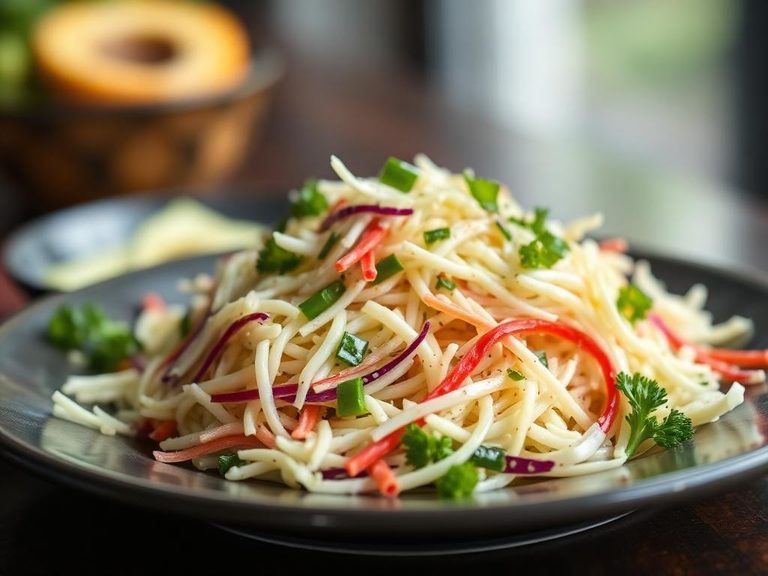
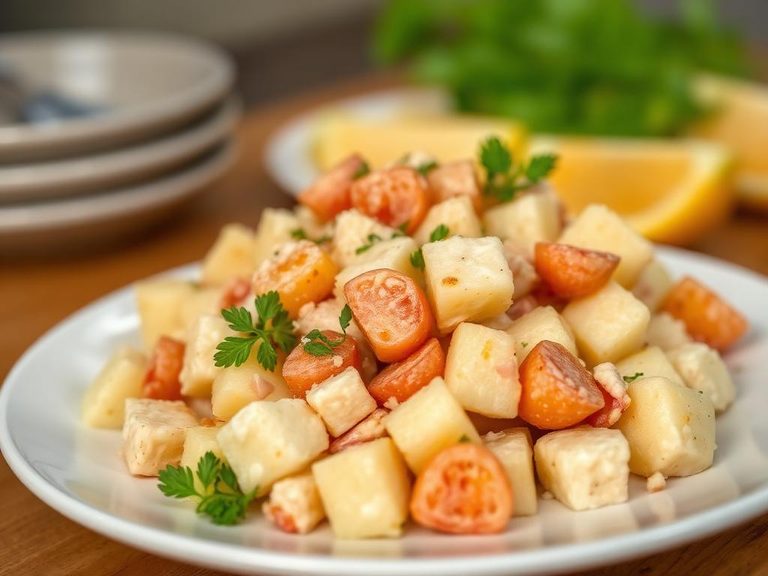
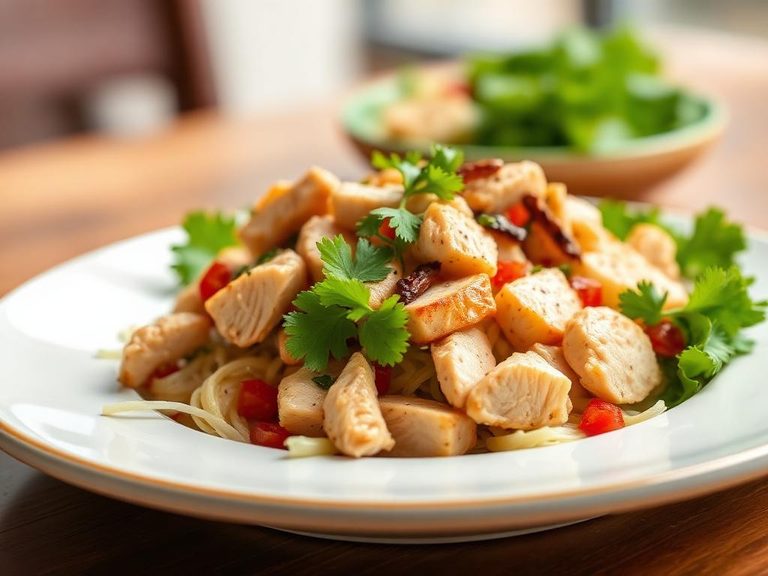
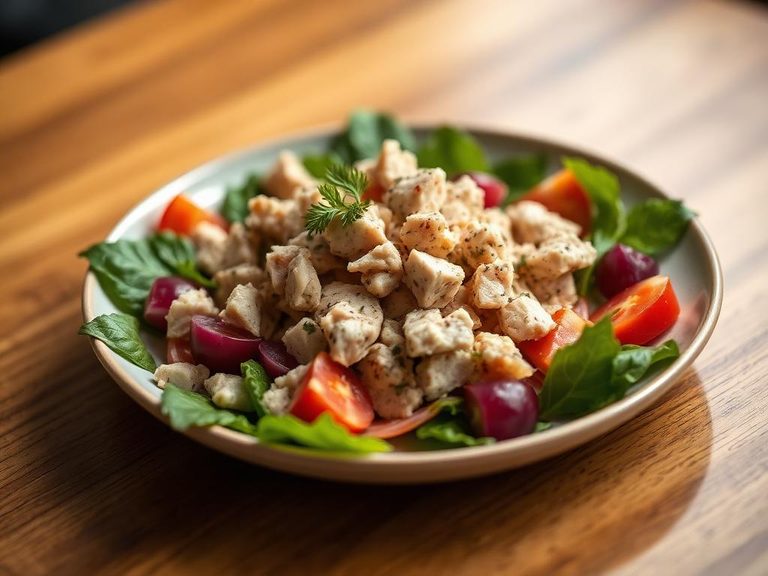

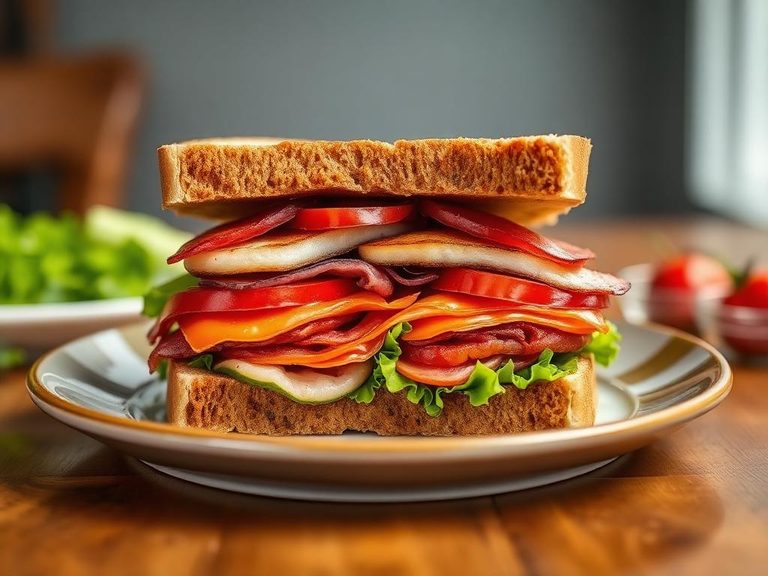
🌍 Where it's eaten
💡 Did you know?
The 'light' version often achieves its texture and reduced fat by incorporating more water, thickeners like modified starch, and sometimes air, rather than just using less oil.
Full nutrition (USDA data · scales with serving)
| Water | 66.1 g |
| Energy | 238 kcal |
| Energy | 997 kj |
| Protein | 0.37 g |
| Total lipid (fat) | 22.2 g |
| Ash | 2.0 g |
| Carbohydrate, by difference | 9.2 g |
| Fiber, total dietary | 0.00 g |
| Total Sugars | 3.6 g |
| Sucrose | 1.3 g |
| Glucose | 1.1 g |
| Fructose | 1.2 g |
| Lactose | 0.00 g |
| Maltose | 0.00 g |
| Galactose | 0.00 g |
| Starch | 3.2 g |
| Calcium, Ca | 6.0 mg |
| Iron, Fe | 0.14 mg |
| Magnesium, Mg | 2.0 mg |
| Phosphorus, P | 15.0 mg |
| Potassium, K | 31.0 mg |
| Sodium, Na | 827 mg |
| Zinc, Zn | 0.07 mg |
| Copper, Cu | 0.02 mg |
| Manganese, Mn | 0.01 mg |
| Selenium, Se | 2.6 ug |
| Vitamin C, total ascorbic acid | 0.00 mg |
| Thiamin | 0.01 mg |
| Riboflavin | 0.00 mg |
| Niacin | 0.01 mg |
| Pantothenic acid | 0.06 mg |
| Vitamin B-6 | 0.00 mg |
| Folate, total | 4.0 ug |
| Folic acid | 0.00 ug |
| Folate, food | 4.0 ug |
| Folate, DFE | 4.0 ug |
| Choline, total | 9.0 mg |
| Betaine | 0.00 mg |
| Vitamin B-12 | 0.00 ug |
| Vitamin B-12, added | 0.00 ug |
| Vitamin A, RAE | 8.0 ug |
| Retinol | 5.0 ug |
| Carotene, beta | 30.0 ug |
| Carotene, alpha | 0.00 ug |
| Cryptoxanthin, beta | 3.0 ug |
| Vitamin A, IU | 70.0 iu |
| Lycopene | 0.00 ug |
| Lutein + zeaxanthin | 27.0 ug |
| Vitamin E (alpha-tocopherol) | 2.2 mg |
| Vitamin E, added | 0.00 mg |
| Tocopherol, beta | 0.27 mg |
| Tocopherol, gamma | 19.5 mg |
| Tocopherol, delta | 4.8 mg |
| Tocotrienol, alpha | 0.00 mg |
| Tocotrienol, beta | 0.00 mg |
| Tocotrienol, gamma | 0.00 mg |
| Tocotrienol, delta | 0.00 mg |
| Vitamin D (D2 + D3), International Units | 0.00 iu |
| Vitamin D (D2 + D3) | 0.00 ug |
| Vitamin K (phylloquinone) | 53.7 ug |
| Vitamin K (Dihydrophylloquinone) | 0.00 ug |
| Alcohol, ethyl | 0.00 g |
| Caffeine | 0.00 mg |
| Theobromine | 0.00 mg |
Fat & fatty acid profile (per 100g)
| Fatty acids, total saturated | 3.4 g |
| SFA 4:0 | 0.00 g |
| SFA 6:0 | 0.00 g |
| SFA 8:0 | 0.00 g |
| SFA 10:0 | 0.00 g |
| SFA 12:0 | 0.00 g |
| SFA 14:0 | 0.02 g |
| SFA 15:0 | 0.01 g |
| SFA 16:0 | 2.3 g |
| SFA 17:0 | 0.02 g |
| SFA 18:0 | 0.91 g |
| SFA 20:0 | 0.07 g |
| SFA 22:0 | 0.07 g |
| SFA 24:0 | 0.02 g |
| Fatty acids, total monounsaturated | 5.0 g |
| MUFA 14:1 | 0.00 g |
| MUFA 15:1 | 0.00 g |
| MUFA 16:1 | 0.03 g |
| MUFA 16:1 c | 0.03 g |
| MUFA 17:1 | 0.01 g |
| MUFA 18:1 | 4.9 g |
| MUFA 18:1 c | 4.9 g |
| MUFA 20:1 | 0.08 g |
| MUFA 22:1 | 0.01 g |
| MUFA 22:1 c | 0.01 g |
| MUFA 24:1 c | 0.00 g |
| Fatty acids, total polyunsaturated | 13.0 g |
| PUFA 18:2 | 11.4 g |
| PUFA 18:2 n-6 c,c | 11.4 g |
| PUFA 18:2 CLAs | 0.01 g |
| PUFA 18:3 | 1.6 g |
| PUFA 18:3 n-3 c,c,c (ALA) | 1.5 g |
| PUFA 18:3 n-6 c,c,c | 0.04 g |
| PUFA 18:4 | 0.00 g |
| PUFA 20:2 n-6 c,c | 0.01 g |
| PUFA 20:3 | 0.00 g |
| PUFA 20:3 n-3 | 0.00 g |
| PUFA 20:3 n-6 | 0.00 g |
| PUFA 20:4 | 0.02 g |
| PUFA 20:5 n-3 (EPA) | 0.00 g |
| PUFA 22:4 | 0.00 g |
| PUFA 22:5 n-3 (DPA) | 0.00 g |
| PUFA 22:6 n-3 (DHA) | 0.00 g |
| Fatty acids, total trans | 0.06 g |
| Fatty acids, total trans-monoenoic | 0.01 g |
| TFA 16:1 t | 0.00 g |
| TFA 18:1 t | 0.01 g |
| TFA 22:1 t | 0.00 g |
| TFA 18:2 t not further defined | 0.04 g |
| Fatty acids, total trans-polyenoic | 0.04 g |
| Cholesterol | 16.0 mg |
| Stigmasterol | 21.0 mg |
| Campesterol | 19.0 mg |
| Beta-sitosterol | 48.0 mg |
Amino acid profile (per 100g)
| Tryptophan | 0.01 g |
| Threonine | 0.02 g |
| Isoleucine | 0.02 g |
| Leucine | 0.03 g |
| Lysine | 0.03 g |
| Methionine | 0.01 g |
| Cystine | 0.01 g |
| Phenylalanine | 0.02 g |
| Tyrosine | 0.01 g |
| Valine | 0.03 g |
| Arginine | 0.02 g |
| Histidine | 0.01 g |
| Alanine | 0.02 g |
| Aspartic acid | 0.04 g |
| Glutamic acid | 0.05 g |
| Glycine | 0.01 g |
| Proline | 0.01 g |
| Serine | 0.03 g |
FAQ
How does light mayonnaise differ from regular mayonnaise?
Light mayonnaise is made with a higher proportion of water and often contains thickeners like modified food starch to mimic the texture of full-fat mayo, which is primarily an oil-and-egg emulsion. This results in significantly less fat and fewer calories per serving.
Can I use light mayonnaise for baking?
Yes, it can be used in some baking recipes, like chocolate cake, where it adds moisture and fat. However, its different composition (more water, added starches) may slightly alter the texture and rise compared to using regular mayonnaise or oil.
Is light mayonnaise a good source of healthy fats?
No. While it contains less fat than regular mayo, the fat is still primarily from refined vegetable oils, which are high in omega-6 fatty acids. It is not considered a significant source of beneficial unsaturated fats like those from olive oil or avocados.
Nutrient density (calculated · NRF9.3)
Nutrient Rich Foods index: beneficial nutrients (protein, fiber, vitamins, minerals) minus saturated fat, added sugar & sodium, per 100 kcal.
NRF9.3 index — Fulgoni, Keast & Drewnowski, 2009. Computed from USDA nutrients.
Weight-loss friendliness (composite index)
Energy density 2.38 kcal/g · 1% calories from protein · 0.0 g fiber · 3.6 g sugar per 100 g.
Composite of energy density (Rolls et al., 1999), protein & fiber satiety, minus sugar. A calculated heuristic — ranks satiety-per-calorie, not a clinical measure.
Dietary load (calculated from USDA values)
Potential renal acid load. Positive = acid-forming, negative = alkaline-forming.
Sodium-to-potassium ratio: 26.68 (lower is better — aim for ≤ 1)
Sodium:potassium per WHO potassium guidance. Computed from USDA nutrients.