Milk, nonfat, fluid, with added vitamin A and vitamin D (fat free or skim)
Whole food · Dairy and Egg Products

Photo: Wikipedia
Skim milk is a crystal-clear, watery liquid with a clean, slightly sweet taste and a thin, non-coating texture. It's essentially milk with all the fat removed, then fortified with vitamins A and D to replace what's lost. Nutritionally, it's a lean powerhouse, delivering high-quality protein and calcium for very few calories.
💚 Why it's loved
People love it as a pure, guilt-free base for everything from cereal to smoothies, offering nutrition without heaviness. Its mild flavor makes it a universal kitchen staple, from a simple glass to baking.
⚠️ Watch-outs & how to enjoy it better
Its thin, watery texture can feel unsatisfying or 'bony' to those used to whole milk. The natural milk sugar (lactose) can cause digestive issues for lactose-intolerant individuals; pairing it with fiber-rich foods like oats or using lactose-free versions can help.
Key benefits
- Excellent source of complete protein for muscle maintenance.
- Naturally rich in calcium for bone and teeth health.
- Fortified with Vitamin D to aid calcium absorption.
- Very low in calories and fat, aiding weight management.
- Provides phosphorus and potassium for electrolyte balance.
🍽️ Popular dishes
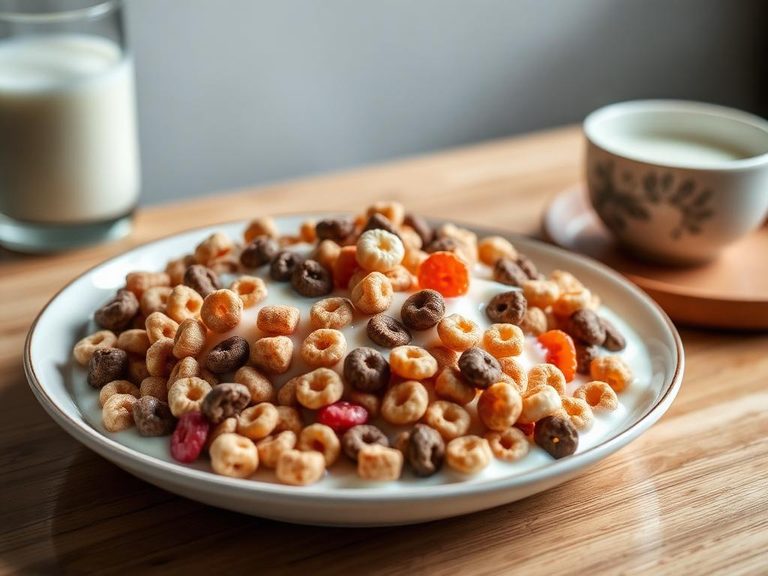
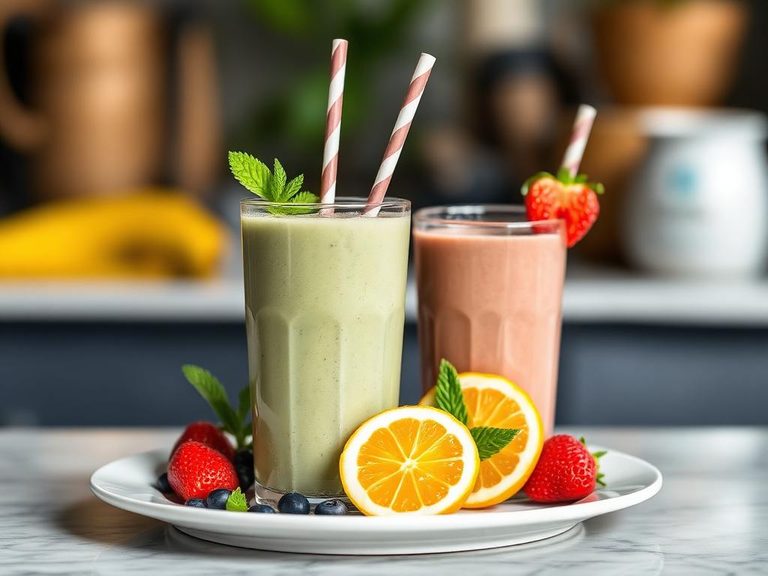
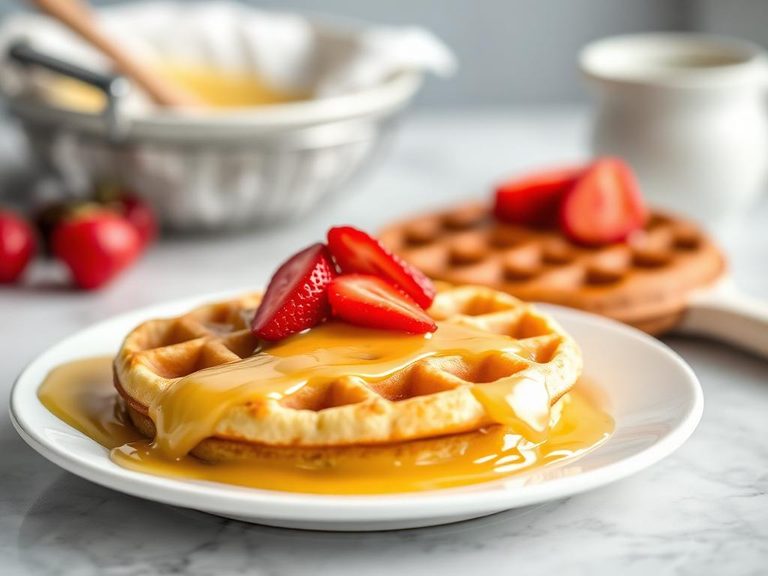
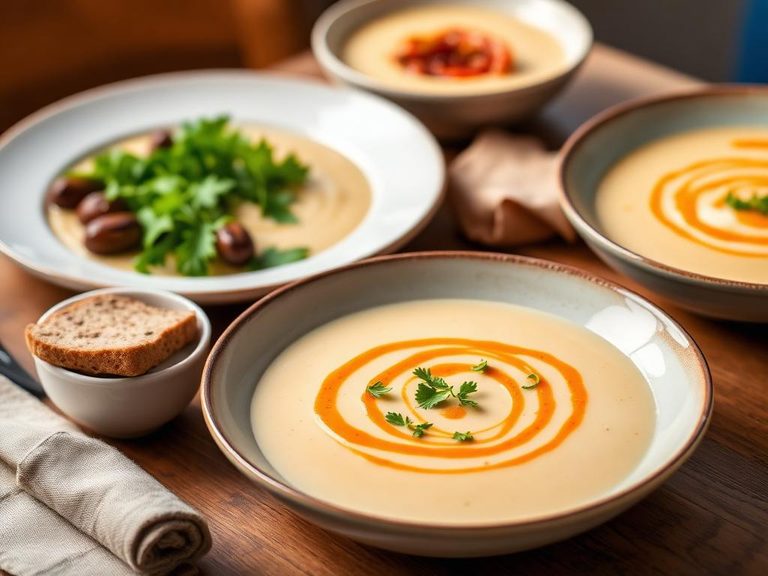
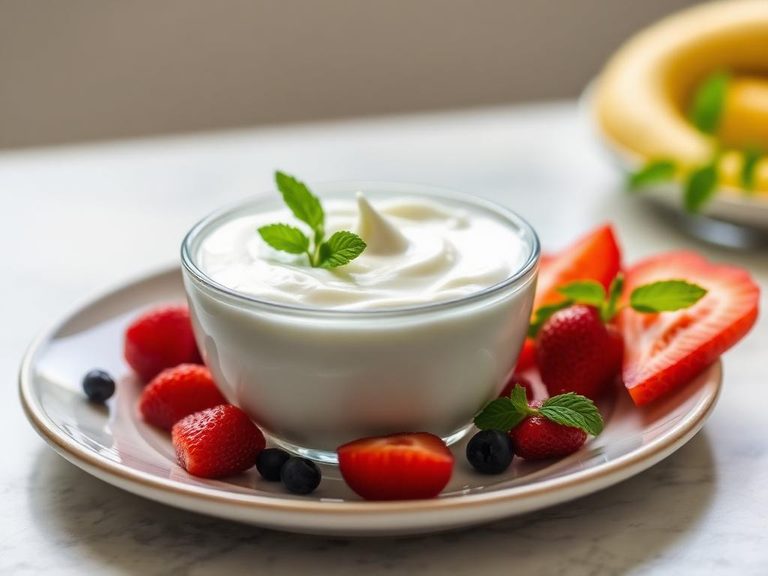
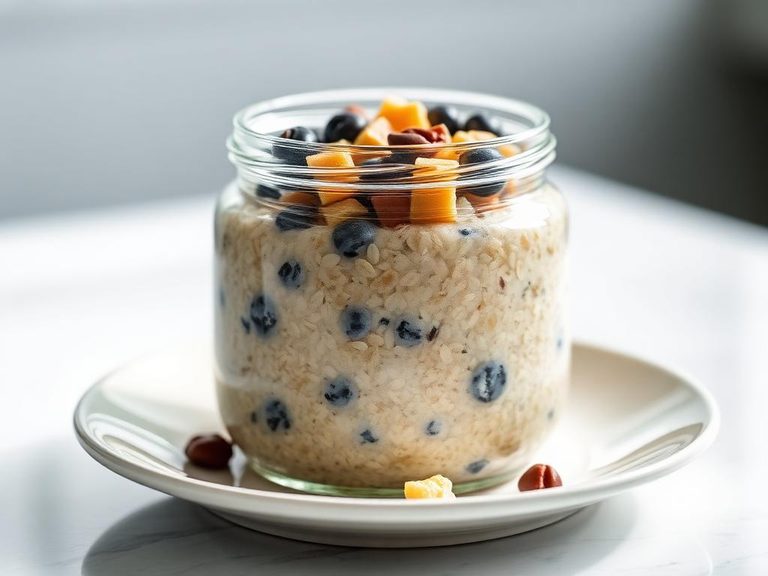
🌍 Where it's eaten
💡 Did you know?
The process of 'skimming' cream from milk is ancient, but widespread commercial production of fat-free milk only became common in the late 20th century with the rise of low-fat dietary guidelines.
Full nutrition (scales with serving)
| Water | 90.8 g |
| Energy | 34.0 kcal |
| Energy | 143 kj |
| Nitrogen | 0.54 g |
| Protein | 3.4 g |
| Total lipid (fat) | 0.08 g |
| Total fat (NLEA) | 0.07 g |
| Ash | 0.77 g |
| Carbohydrate, by difference | 4.9 g |
| Sugars, Total | 5.0 g |
| Sucrose | 0.00 g |
| Glucose | 0.00 g |
| Fructose | 0.00 g |
| Lactose | 5.0 g |
| Maltose | 0.00 g |
| Galactose | 0.00 g |
| Calcium, Ca | 132 mg |
| Iron, Fe | 0.00 mg |
| Magnesium, Mg | 12.5 mg |
| Phosphorus, P | 107 mg |
| Potassium, K | 167 mg |
| Sodium, Na | 41.0 mg |
| Zinc, Zn | 0.45 mg |
| Copper, Cu | 0.00 mg |
| Manganese, Mn | 0.00 mg |
| Iodine, I | 35.7 ug |
| Selenium, Se | 2.0 ug |
| Thiamin | 0.06 mg |
| Riboflavin | 0.13 mg |
| Niacin | 0.12 mg |
| Pantothenic acid | 0.39 mg |
| Vitamin B-6 | 0.06 mg |
| Folate, total | 2.0 ug |
| Choline, total | 18.2 mg |
| Choline, free | 3.1 mg |
| Choline, from phosphocholine | 0.80 mg |
| Choline, from phosphotidyl choline | 2.0 mg |
| Choline, from glycerophosphocholine | 11.5 mg |
| Choline, from sphingomyelin | 0.90 mg |
| Betaine | 0.90 mg |
| Vitamin B-12 | 0.58 ug |
| Vitamin A, RAE | 64.0 ug |
| Retinol | 64.0 ug |
| Carotene, beta | 2.0 ug |
| cis-beta-Carotene | 1.0 ug |
| trans-beta-Carotene | 1.0 ug |
| Carotene, alpha | 0.00 ug |
| Cryptoxanthin, beta | 0.00 ug |
| Cryptoxanthin, alpha | 0.00 ug |
| Lycopene | 0.00 ug |
| cis-Lycopene | 0.00 ug |
| trans-Lycopene | 0.00 ug |
| cis-Lutein/Zeaxanthin | 0.00 ug |
| Lutein | 1.0 ug |
| Zeaxanthin | 0.00 ug |
| Vitamin E (alpha-tocopherol) | 0.00 mg |
| Tocopherol, beta | 0.00 mg |
| Tocopherol, gamma | 0.00 mg |
| Tocopherol, delta | 0.00 mg |
| Tocotrienol, alpha | 0.00 mg |
| Tocotrienol, beta | 0.00 mg |
| Tocotrienol, gamma | 0.00 mg |
| Tocotrienol, delta | 0.00 mg |
| Vitamin D (D2 + D3), International Units | 44.0 iu |
| Vitamin D (D2 + D3) | 1.1 ug |
| Vitamin D2 (ergocalciferol) | 0.00 ug |
| Vitamin D3 (cholecalciferol) | 1.1 ug |
| 25-hydroxycholecalciferol | 0.00 ug |
| Fatty acids, total saturated | 0.05 g |
| SFA 4:0 | 0.00 g |
| SFA 5:0 | 0.00 g |
| SFA 6:0 | 0.00 g |
| SFA 7:0 | 0.00 g |
| SFA 8:0 | 0.00 g |
| SFA 9:0 | 0.00 g |
| SFA 10:0 | 0.00 g |
| SFA 11:0 | 0.00 g |
| SFA 12:0 | 0.00 g |
| SFA 14:0 | 0.01 g |
| SFA 15:0 | 0.00 g |
| SFA 16:0 | 0.02 g |
| SFA 17:0 | 0.00 g |
| SFA 18:0 | 0.01 g |
| SFA 20:0 | 0.00 g |
| SFA 21:0 | 0.00 g |
| SFA 22:0 | 0.00 g |
| SFA 23:0 | 0.00 g |
| SFA 24:0 | 0.00 g |
| Fatty acids, total monounsaturated | 0.02 g |
| MUFA 12:1 | 0.00 g |
| MUFA 14:1 c | 0.00 g |
| MUFA 15:1 | 0.00 g |
| MUFA 16:1 c | 0.00 g |
| MUFA 17:1 | 0.00 g |
| MUFA 17:1 c | 0.00 g |
| MUFA 18:1 c | 0.02 g |
| MUFA 20:1 c | 0.00 g |
| MUFA 22:1 c | 0.00 g |
| MUFA 22:1 n-9 | 0.00 g |
| MUFA 22:1 n-11 | 0.00 g |
| MUFA 24:1 c | 0.00 g |
| Fatty acids, total polyunsaturated | 0.01 g |
| PUFA 18:2 c | 0.01 g |
| PUFA 18:2 n-6 c,c | 0.01 g |
| PUFA 18:2 CLAs | 0.00 g |
| PUFA 18:3 c | 0.00 g |
| PUFA 18:3 n-3 c,c,c (ALA) | 0.00 g |
| PUFA 18:3 n-6 c,c,c | 0.00 g |
| PUFA 18:4 | 0.00 g |
| PUFA 20:2 c | 0.00 g |
| PUFA 20:2 n-6 c,c | 0.00 g |
| PUFA 20:3 c | 0.00 g |
| PUFA 20:3 n-3 | 0.00 g |
| PUFA 20:3 n-6 | 0.00 g |
| PUFA 20:3 n-9 | 0.00 g |
| PUFA 22:3 | 0.00 g |
| PUFA 20:4 | 0.00 g |
| PUFA 20:4c | 0.00 g |
| PUFA 20:5c | 0.00 g |
| PUFA 20:5 n-3 (EPA) | 0.00 g |
| PUFA 22:2 | 0.00 g |
| PUFA 22:5 c | 0.00 g |
| PUFA 22:4 | 0.00 g |
| PUFA 22:5 n-3 (DPA) | 0.00 g |
| PUFA 22:6 c | 0.00 g |
| PUFA 22:6 n-3 (DHA) | 0.00 g |
| Fatty acids, total trans | 0.00 g |
| Fatty acids, total trans-monoenoic | 0.00 g |
| TFA 14:1 t | 0.00 g |
| TFA 16:1 t | 0.00 g |
| TFA 18:1 t | 0.00 g |
| TFA 20:1 t | 0.00 g |
| TFA 22:1 t | 0.00 g |
| Fatty acids, total trans-dienoic | 0.00 g |
| TFA 18:2 t not further defined | 0.00 g |
| Fatty acids, total trans-polyenoic | 0.00 g |
| TFA 18:3 t | 0.00 g |
| Cholesterol | 3.0 mg |
| Tryptophan | 0.05 g |
| Threonine | 0.17 g |
| Isoleucine | 0.18 g |
| Leucine | 0.35 g |
| Lysine | 0.30 g |
| Methionine | 0.09 g |
| Phenylalanine | 0.17 g |
| Tyrosine | 0.17 g |
| Valine | 0.22 g |
| Arginine | 0.13 g |
| Histidine | 0.10 g |
| Alanine | 0.12 g |
| Aspartic acid | 0.30 g |
| Glutamic acid | 0.83 g |
| Glycine | 0.07 g |
| Proline | 0.35 g |
| Serine | 0.20 g |
| Hydroxyproline | 0.00 g |
| Cysteine | 0.04 g |
FAQ
Is skim milk as nutritious as whole milk?
Yes, for protein, calcium, and most vitamins. It has less fat and calories, but the fat-soluble vitamins A and D are added back through fortification.
Why does skim milk taste different?
Fat carries flavor and provides a creamy mouthfeel. Removing it leaves a thinner texture and a more pronounced, slightly 'milky' or sweet taste from the remaining lactose.
Can I use skim milk in cooking and baking?
Absolutely. It works well in most recipes where milk is a liquid component, like pancakes, muffins, and soups. For rich sauces or custards, you may need to add a bit of fat for texture.