

Homemade Yogurt
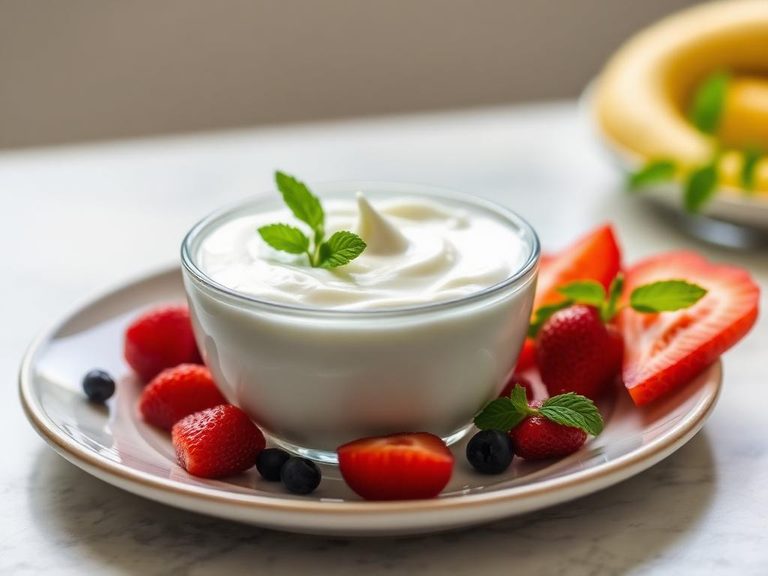
Homemade yogurt is a creamy, fermented dairy product made by culturing milk with live bacteria. It typically requires just two ingredients: milk and a yogurt starter culture. This simple preparation has been a staple in various forms across many cultures for centuries.
🍳 View the full Homemade Yogurt recipe →
🍽️ Nutrition at a glance
It's a good source of protein and calcium, with its carbohydrate and fat content depending on the type of milk used. A standard serving (about 1 cup) generally provides around 100-150 calories, along with beneficial probiotics.
Nutrition breakdown
| Calories | 149 kcal |
| Protein | 8.5 g |
| Carbs | 11.4 g |
| Fat | 8 g |
| Fiber | 0 g |
| Sugar | 11.4 g |
| Sodium | 105 mg |
| Calcium | 296 mg |
| Phosphorus | 246 mg |
| Potassium | 380 mg |
| Vitamin B12 | 1.1 mcg |
| Riboflavin (B2) | 0.3 mg |
| Magnesium | 32 mg |
| Zinc | 1.3 mg |
| Selenium | 9 mcg |
Per 1 cup (245 g) · estimated, varies by recipe
💡 What's interesting
Making yogurt at home allows you to control the fermentation time and thickness, creating a product far fresher than many store-bought versions. The live active cultures are unique as they can continue to benefit gut health after consumption.
🍽️ Related dishes








AI estimate may be inaccurate · Terms