

Crustaceans, shrimp, mixed species, raw (may contain additives to retain moisture)
Whole food · Finfish and Shellfish Products
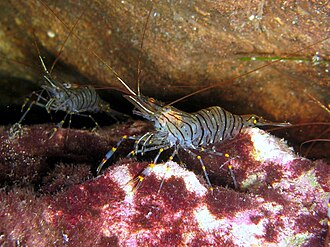
Photo: Wikipedia
Mixed-species raw shrimp are a lean, briny delicacy with a firm, snappy texture and a sweet, oceanic flavor. Nutritionally, they are a powerhouse of high-quality protein with virtually no fat or carbohydrates, making them an exceptionally clean fuel source.
Calorie split: 81% protein · 5% carbs · 14% fat
↓ Full nutrition💚 Why it's loved
People adore shrimp for its sweet, delicate flavor and satisfyingly crisp texture that adapts beautifully to a vast array of global cuisines, from simple garlic butter sautés to complex curries.
⚠️ Watch-outs & how to enjoy it better
As a common shellfish allergen, shrimp must be avoided by those with sensitivities. The 'moisture-retaining additives' (like sodium tripolyphosphate) can significantly increase sodium content; to counteract this, look for 'dry' or 'chemical-free' shrimp, or rinse them thoroughly before cooking. Pairing with fiber-rich vegetables can help mitigate any sodium impact.
Key benefits
- Excellent source of complete, low-calorie protein.
- Naturally low in fat and carbohydrates.
- Provides key minerals like selenium and iodine.
- Contains astaxanthin, a potent antioxidant.
🍽️ Popular dishes
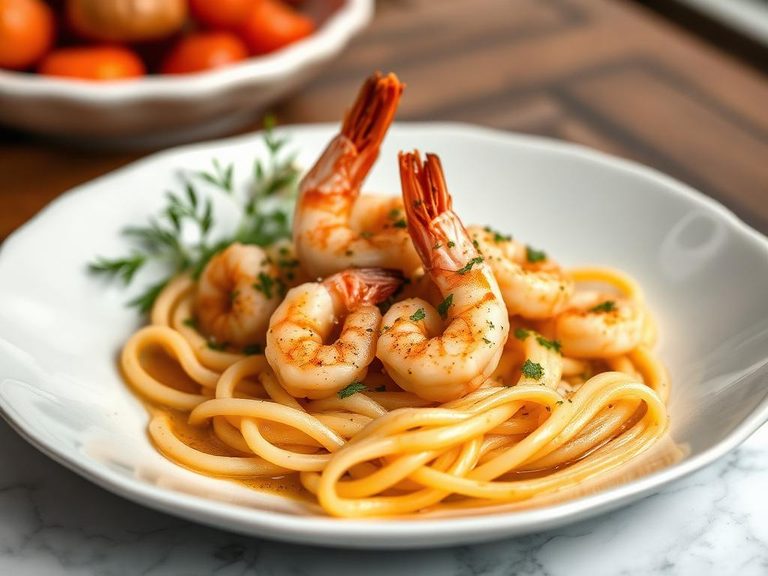
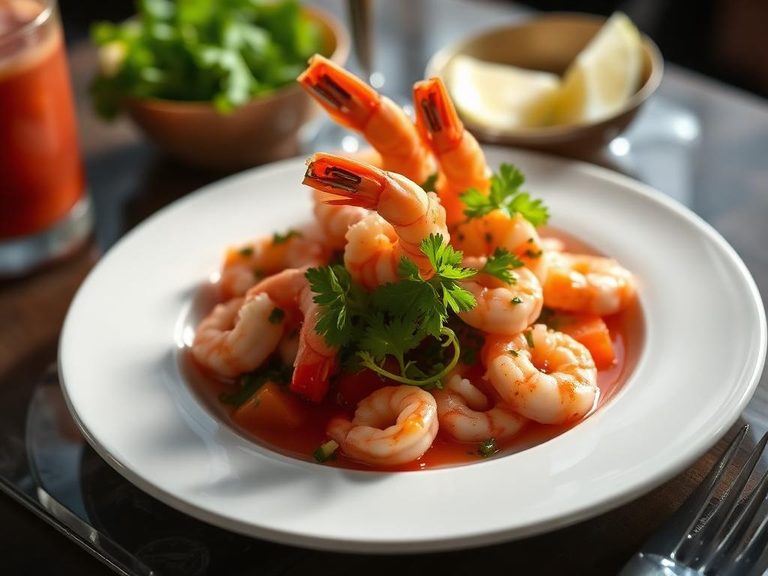
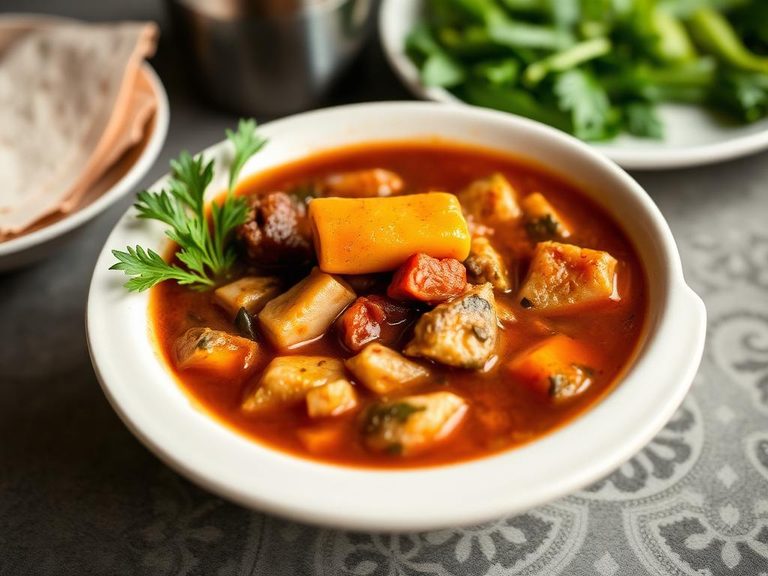
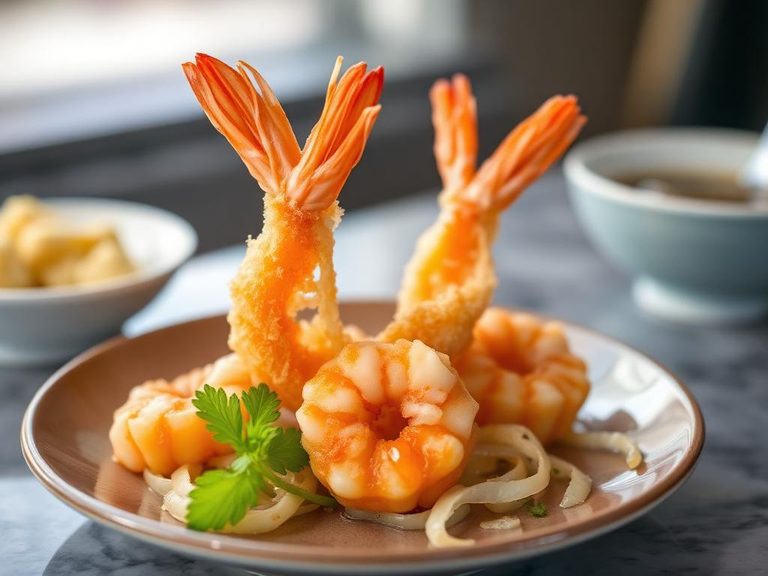
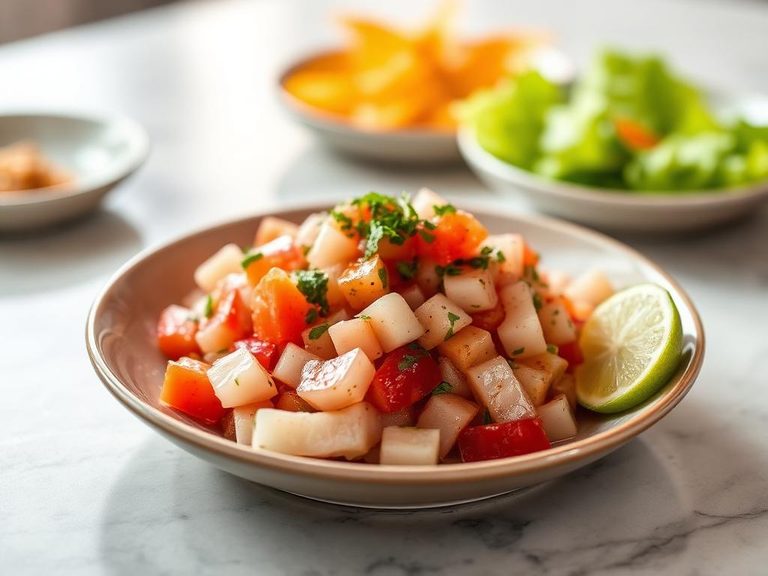
🌍 Where it's eaten
💡 Did you know?
A shrimp's heart is located in its head, and it pumps blue blood due to the copper-based protein hemocyanin.
Full nutrition (USDA data · scales with serving)
| Water | 83.0 g |
| Energy | 71.0 kcal |
| Energy | 297 kj |
| Protein | 13.6 g |
| Total lipid (fat) | 1.0 g |
| Ash | 1.9 g |
| Carbohydrate, by difference | 0.91 g |
| Fiber, total dietary | 0.00 g |
| Total Sugars | 0.00 g |
| Sucrose | 0.00 g |
| Glucose | 0.00 g |
| Fructose | 0.00 g |
| Lactose | 0.00 g |
| Maltose | 0.00 g |
| Galactose | 0.00 g |
| Starch | 0.00 g |
| Calcium, Ca | 54.0 mg |
| Iron, Fe | 0.21 mg |
| Magnesium, Mg | 22.0 mg |
| Phosphorus, P | 244 mg |
| Potassium, K | 113 mg |
| Sodium, Na | 566 mg |
| Zinc, Zn | 0.97 mg |
| Copper, Cu | 0.18 mg |
| Manganese, Mn | 0.03 mg |
| Selenium, Se | 29.6 ug |
| Vitamin C, total ascorbic acid | 0.00 mg |
| Thiamin | 0.02 mg |
| Riboflavin | 0.01 mg |
| Niacin | 1.8 mg |
| Pantothenic acid | 0.31 mg |
| Vitamin B-6 | 0.16 mg |
| Folate, total | 19.0 ug |
| Folic acid | 0.00 ug |
| Folate, food | 19.0 ug |
| Folate, DFE | 19.0 ug |
| Choline, total | 80.9 mg |
| Vitamin B-12 | 1.1 ug |
| Vitamin B-12, added | 0.00 ug |
| Vitamin A, RAE | 54.0 ug |
| Retinol | 54.0 ug |
| Carotene, beta | 0.00 ug |
| Carotene, alpha | 0.00 ug |
| Cryptoxanthin, beta | 0.00 ug |
| Vitamin A, IU | 180 iu |
| Lycopene | 0.00 ug |
| Lutein + zeaxanthin | 0.00 ug |
| Vitamin E (alpha-tocopherol) | 1.3 mg |
| Vitamin E, added | 0.00 mg |
| Tocopherol, beta | 0.00 mg |
| Tocopherol, gamma | 0.12 mg |
| Tocopherol, delta | 0.03 mg |
| Tocotrienol, alpha | 0.00 mg |
| Tocotrienol, beta | 0.00 mg |
| Tocotrienol, gamma | 0.00 mg |
| Tocotrienol, delta | 0.00 mg |
| Vitamin D (D2 + D3), International Units | 2.0 iu |
| Vitamin D (D2 + D3) | 0.10 ug |
| Vitamin D3 (cholecalciferol) | 0.10 ug |
| Vitamin K (phylloquinone) | 0.30 ug |
| Vitamin K (Dihydrophylloquinone) | 0.00 ug |
| Vitamin K (Menaquinone-4) | 0.30 ug |
| Alcohol, ethyl | 0.00 g |
| Caffeine | 0.00 mg |
| Theobromine | 0.00 mg |
Fat & fatty acid profile (per 100g)
| Fatty acids, total saturated | 0.26 g |
| SFA 4:0 | 0.00 g |
| SFA 6:0 | 0.00 g |
| SFA 8:0 | 0.00 g |
| SFA 10:0 | 0.00 g |
| SFA 12:0 | 0.01 g |
| SFA 14:0 | 0.01 g |
| SFA 15:0 | 0.01 g |
| SFA 16:0 | 0.14 g |
| SFA 17:0 | 0.01 g |
| SFA 18:0 | 0.08 g |
| SFA 20:0 | 0.00 g |
| SFA 22:0 | 0.00 g |
| SFA 24:0 | 0.00 g |
| Fatty acids, total monounsaturated | 0.18 g |
| MUFA 14:1 | 0.00 g |
| MUFA 15:1 | 0.00 g |
| MUFA 16:1 | 0.02 g |
| MUFA 16:1 c | 0.02 g |
| MUFA 17:1 | 0.05 g |
| MUFA 18:1 | 0.11 g |
| MUFA 18:1 c | 0.10 g |
| MUFA 20:1 | 0.00 g |
| MUFA 22:1 | 0.00 g |
| MUFA 22:1 c | 0.00 g |
| MUFA 24:1 c | 0.00 g |
| Fatty acids, total polyunsaturated | 0.29 g |
| PUFA 18:2 | 0.10 g |
| PUFA 18:2 n-6 c,c | 0.09 g |
| PUFA 18:2 CLAs | 0.00 g |
| PUFA 18:3 | 0.01 g |
| PUFA 18:3 n-3 c,c,c (ALA) | 0.01 g |
| PUFA 18:3 n-6 c,c,c | 0.00 g |
| PUFA 18:4 | 0.00 g |
| PUFA 20:2 n-6 c,c | 0.01 g |
| PUFA 20:3 | 0.01 g |
| PUFA 20:3 n-3 | 0.00 g |
| PUFA 20:3 n-6 | 0.01 g |
| PUFA 20:4 | 0.03 g |
| PUFA 20:5 n-3 (EPA) | 0.07 g |
| PUFA 22:4 | 0.00 g |
| PUFA 22:5 n-3 (DPA) | 0.01 g |
| PUFA 22:6 n-3 (DHA) | 0.07 g |
| Fatty acids, total trans | 0.02 g |
| Fatty acids, total trans-monoenoic | 0.01 g |
| TFA 16:1 t | 0.00 g |
| TFA 18:1 t | 0.01 g |
| TFA 22:1 t | 0.00 g |
| TFA 18:2 t not further defined | 0.01 g |
| Fatty acids, total trans-polyenoic | 0.01 g |
| Cholesterol | 126 mg |
Amino acid profile (per 100g)
| Tryptophan | 0.15 g |
| Threonine | 0.54 g |
| Isoleucine | 0.63 g |
| Leucine | 1.2 g |
| Lysine | 1.3 g |
| Methionine | 0.40 g |
| Cystine | 0.16 g |
| Phenylalanine | 0.59 g |
| Tyrosine | 0.52 g |
| Valine | 0.64 g |
| Arginine | 1.3 g |
| Histidine | 0.30 g |
| Alanine | 0.84 g |
| Aspartic acid | 1.5 g |
| Glutamic acid | 2.4 g |
| Glycine | 0.80 g |
| Proline | 0.63 g |
| Serine | 0.56 g |
FAQ
What does 'mixed species' mean for shrimp?
It typically refers to a commercial harvest containing several different species of shrimp, often from the same region or fishery, which are sold together. The exact species can vary.
What are the additives used to retain moisture?
The most common is sodium tripolyphosphate (STPP), which helps the shrimp absorb and hold water during processing and thawing, increasing their weight and preventing shrinkage during cooking.
Is raw shrimp safe to eat?
Raw shrimp is safe when prepared for dishes like ceviche or sushi, but it must be 'sushi-grade' or previously flash-frozen to kill parasites. For general safety, shrimp should always be cooked to an internal temperature of 145°F (63°C).
Nutrient density (calculated · NRF9.3)
Nutrient Rich Foods index: beneficial nutrients (protein, fiber, vitamins, minerals) minus saturated fat, added sugar & sodium, per 100 kcal.
NRF9.3 index — Fulgoni, Keast & Drewnowski, 2009. Computed from USDA nutrients.
Weight-loss friendliness (composite index)
Energy density 0.71 kcal/g · 77% calories from protein · 0.0 g fiber · 0.0 g sugar per 100 g.
Composite of energy density (Rolls et al., 1999), protein & fiber satiety, minus sugar. A calculated heuristic — ranks satiety-per-calorie, not a clinical measure.
Dietary load (calculated from USDA values)
Potential renal acid load. Positive = acid-forming, negative = alkaline-forming.
Sodium-to-potassium ratio: 5.01 (lower is better — aim for ≤ 1)
Sodium:potassium per WHO potassium guidance. Computed from USDA nutrients.